


Can Tomatoes Reduce the Risk of Stroke?
Written by Jessica Patella, ND. In 1036 middle aged men , men with the highest lycopene levels in their blood had a 55% lower risk of stroke.
Written by Jessica Patella, ND. In 1036 middle aged men , men with the highest lycopene levels in their blood had a 55% lower risk of stroke.

Written by Greg Arnold, DC, CSCS. Researchers found those with current depression had an 80% risk of having inadequate vitamin D blood levels while those with past depression had a 68% risk compared to placebo.

Written by Jessica Patella, ND. In a trial of 9,514 breast cancer survivors, women consuming over 10mg of soy isoflavones per day had a 36% reduced risk of recurrence.

Written by Jessica Patella, ND. In a review of 13 studies with 3629 subjects a 27% reduction in deaths was found in the group using carnitine, irregular heartbeat by 65%, and angina by 40%.

Written by Greg Arnold, DC, CSCS. Those in the quercetin group were able to ride 13.2% longer than the group without quercetin.

Written by Jessica Patella, ND. In a study with 31 participants with obsessive compulsive disorder those given 750 mg valerian root daily had a rating of 23.4% less disorders.
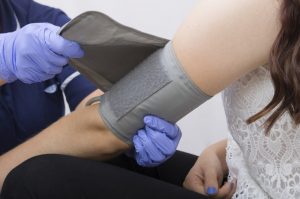
Written by Greg Arnold, DC, CSCS. Meta-analysis of 15,693 hypertensive patients found that a 10 mm Hg rise in systolic blood pressure correlated with a 10% increase in all fatal and non-fatal cardiovascular complications.
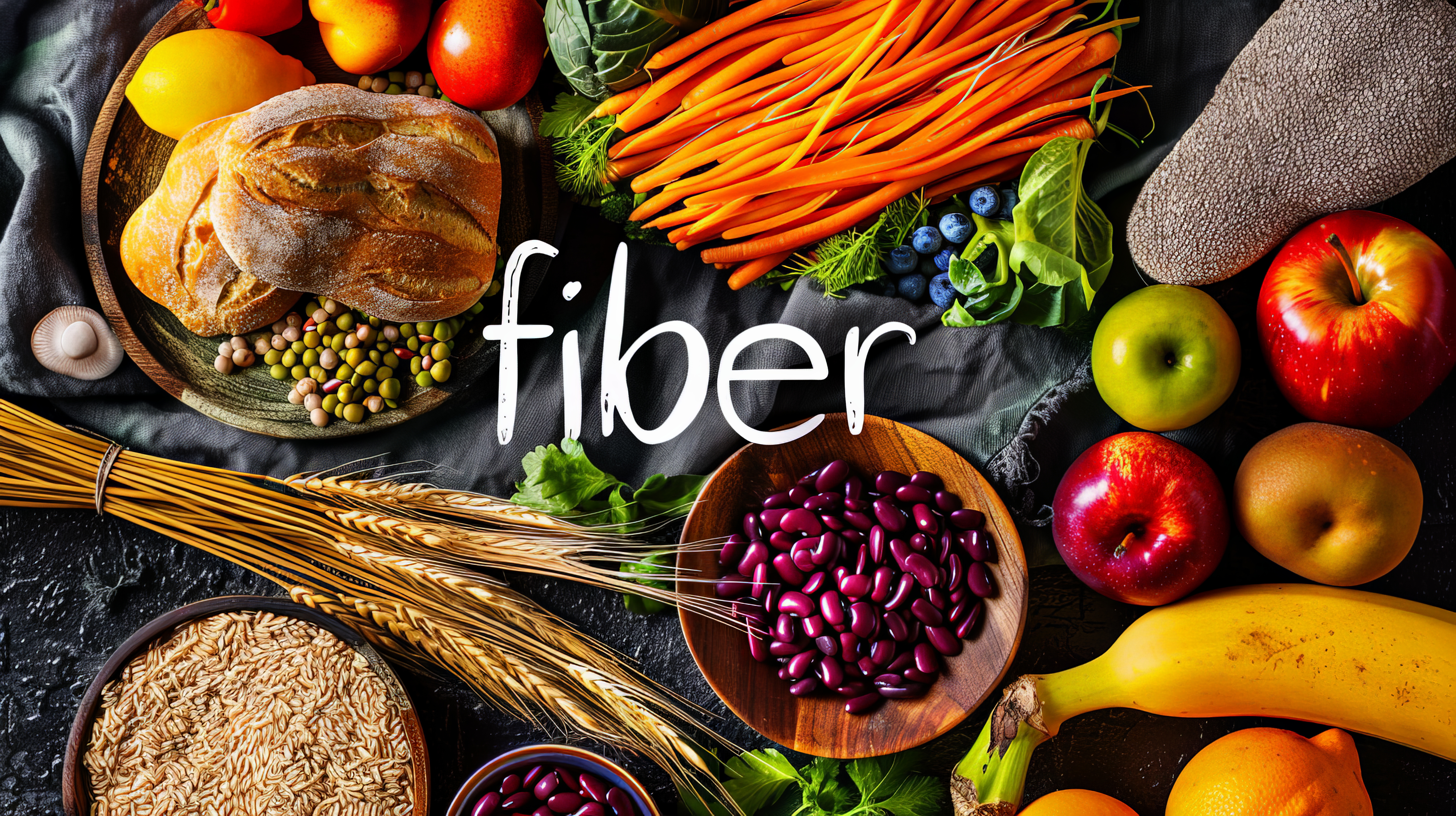
Written by Jessica Patella, ND. In this review study, greater intakes of fiber were associated with a reduced risk of stroke. Furthermore, an increase of 7 grams per day of dietary fiber was associated with a 7% reduction in stroke.

Written by Greg Arnold, DC, CSCS. In this study, patients with multiple sclerosis were given 10 mg of melatonin daily for 30 days and experienced significant improvements in the levels of antioxidants which might help, prevent or delay the symptoms of multiple sclerosis.

Written by Greg Arnold, DC, CSCS. Vitamin K1 intake was shown to be 9.5% lower in diabetic patients and that every 100 microgram per day intake of vitamin K1 decreased the risk of type 2 diabetes by 17%.


