

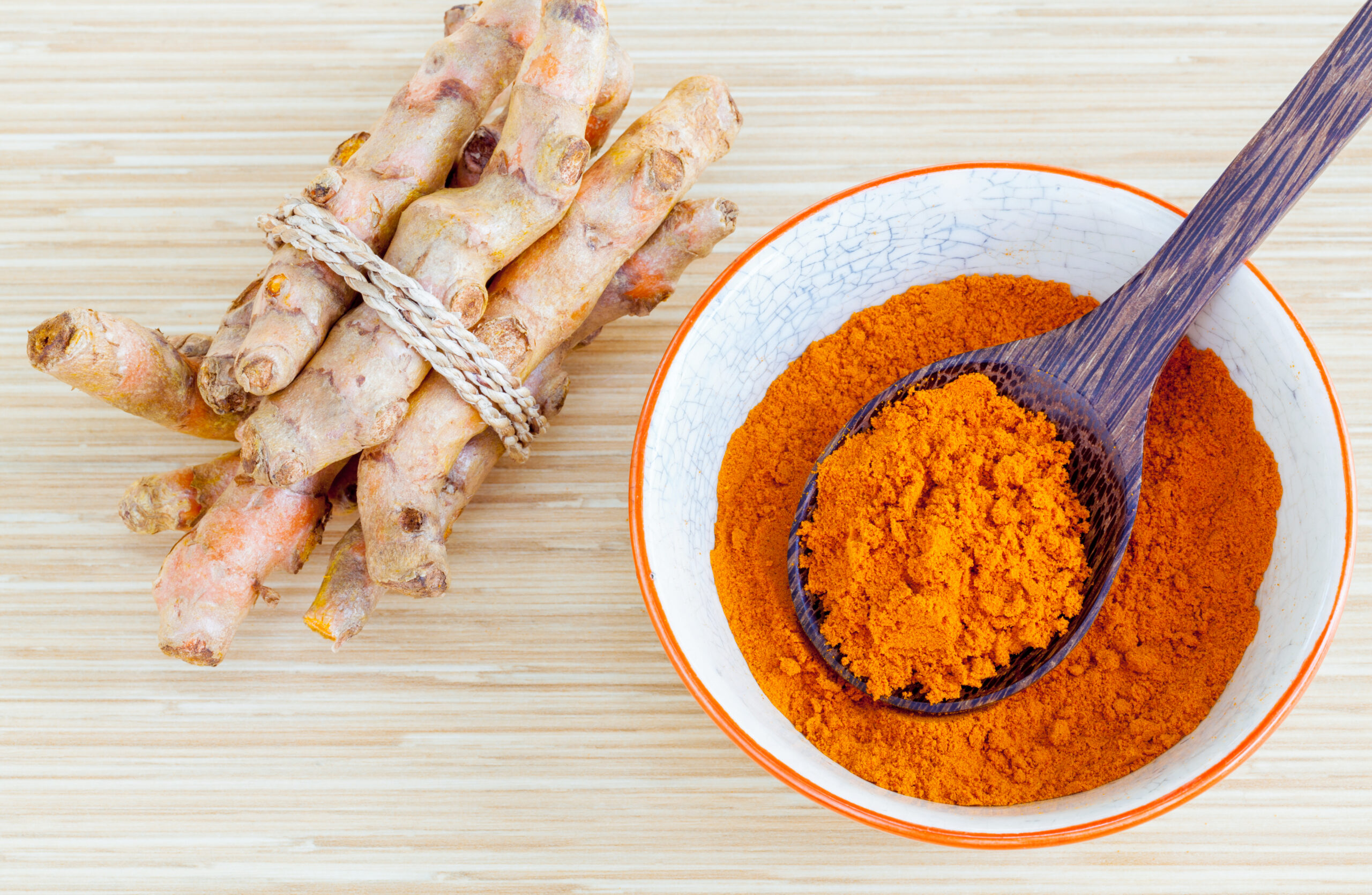
Written by Tabish Mehraj, PhD. In this study, curcumin supplementation was associated with significant reductions in pro-inflammatory cytokines (p < 0.001), hs-CRP, and NLR (p < 0.05), and with improved antioxidant status, as evidenced by increased SOD, TAS, and GPx, along with reduced MDA levels (p < 0.001). Improvements in metabolic parameters were observed, including lower FPG (112.0 mg/dL vs. 134.5 mg/dL; p < 0.001), HbA1c (6.10% vs. 6.40%; p < 0.05), and HOMA-IR (4.88 vs. 6.71; p < 0.001).
 Type 2 diabetes mellitus (T2DM) has become prevalent globally over the past few decades. Obesity and T2DM are interrelated conditions as they increase the risk of cardiovascular diseases. Although standard antidiabetic drugs improve glycemic control, many patients continue to experience persistent inflammation. Curcumin, the principal polyphenol in turmeric (Curcuma longa), has demonstrated potent anti-inflammatory and antioxidant properties in experimental studies. Curcumin improves insulin sensitivity and glycemic control by downregulating key pro-inflammatory cytokines, including interleukin-6 (IL-6), interleukin-1β (IL-1β), and tumor necrosis factor-α (TNF-α). Curcumin is known to inhibit activation of nuclear factor-kappa B (NF-κB), thereby reducing the production of pro-inflammatory cytokines such as IL-6, IL-1β, and TNF-α. It also activates the nuclear factor erythroid 2-related factor 2 (Nrf2) pathway, promoting expression of endogenous antioxidant enzymes that help neutralize reactive oxygen species. Together, these mechanisms may improve insulin sensitivity, preserve pancreatic β-cell function, and reduce chronic metabolic inflammation.
Researchers conducted a randomized, double-blind, placebo-controlled study to assess whether curcumin supplementation could improve oxidative stress, glycemic control, inflammatory status, and anthropometric outcomes in adults with diagnosed T2DM and obesity. Following a 3-month lifestyle run-in period, 114 participants were grouped to receive either 1,500 mg/day of curcumin or a placebo for 12 months while continuing standard metformin therapy and lifestyle counseling. Baseline demographic characteristics, inflammatory biomarkers, metabolic measures, and medication use were comparable between groups.
Results/Key Findings
- Inflammation: Curcumin significantly reduced IL-6, IL-1β, TNF-α, and high-sensitivity C-reactive protein (hs-CRP), and lowered neutrophil-to-lymphocyte ratio (NLR) compared with placebo (1.61 [1.23–1.92] vs. 1.82 [1.31–2.34]; p = 0.029; r = 0.27, 95% CI: 0.12–0.41).
- Antioxidant effects: Total antioxidant status (TAS) was significantly higher with curcumin than placebo (1.85 [1.74–1.95] 1.65 [1.55–1.79]; p < 0.001; r = 0.72, 95% CI: 0.61–0.81). Glutathione peroxidase (GPx) and superoxide dismutase (SOD) increased, while malondialdehyde (MDA) decreased significantly.
- Metabolic outcomes: Curcumin significantly improved fasting plasma glucose, HbA1c, and Homeostatic Model Assessment of Insulin Resistance (HOMA-IR), with modest reductions in BMI and waist circumference compared with placebo.
- Robustness: Results were consistent across intention-to-treat, per-protocol, and sensitivity analyses, confirming the stability of treatment effects.
- Safety: Curcumin was well tolerated, with only mild gastrointestinal adverse events (abdominal discomfort and diarrhea), no serious adverse events, and stable liver and kidney function throughout the 12-month study.
The observed improvements are biologically plausible. Several limitations should be considered. The study included a relatively small number of participants from a single center, potentially limiting generalizability. All participants had recently been diagnosed with well-controlled T2DM and were receiving metformin therapy, so the findings may not apply to patients with more advanced disease or different treatment regimens. In addition, the curcumin formulation did not include bioavailability enhancers such as piperine, and circulating curcumin concentrations were not measured.
Overall, this study suggests that long-term supplementation with 1,500 mg/day of curcumin may serve as a safe adjunct to standard therapy for adults with T2DM and obesity. Improvements in inflammatory biomarkers, antioxidant capacity, insulin resistance, and glycemic control support curcumin’s potential to reduce cardiometabolic risk. Larger multicenter trials are warranted to confirm these findings and determine whether different formulations or enhanced-bioavailability preparations provide greater clinical benefit.
Click here to read the full text study.
Posted July 24, 2026.
Dr. Tabish Mehraj is a pharmaceutical scientist with expertise in pharmaceutics, drug delivery, and formulation development. She earned her PhD in Pharmaceutical Sciences from the University of Mississippi, where her research focused on the formulation, optimization, and characterization of lipid-based nanocarriers for targeted liver delivery of antimalarial therapeutics. Dr. Mehraj has also served as an ORISE Fellow at the U.S. Food and Drug Administration (FDA), where she evaluated the effects of formulation and process design on the quality and performance of intravaginal drug delivery systems and developed bio-relevant in vitro drug release testing methods. She has teaching experience in pharmaceutical and life sciences courses and has authored peer-reviewed publications, book chapters, and conference presentations. Dr. Mehraj is an active member of the American Association of Pharmaceutical Scientists and has been recognized by honor societies including Rho Chi and Gamma Beta Phi.
Reference:
- Yaikwawong, M., Kamdee, K., & Chuengsamarn, S. (2026). Curcumin Supplementation Reduces Inflammation, Neutrophil-to-Lymphocyte Ratio (NLR), and Antioxidant Status in Obese Patients with Type 2 Diabetes: A Randomized Controlled Trial. International Journal of Molecular Sciences, 27(9), 3854.


Comments (0)