

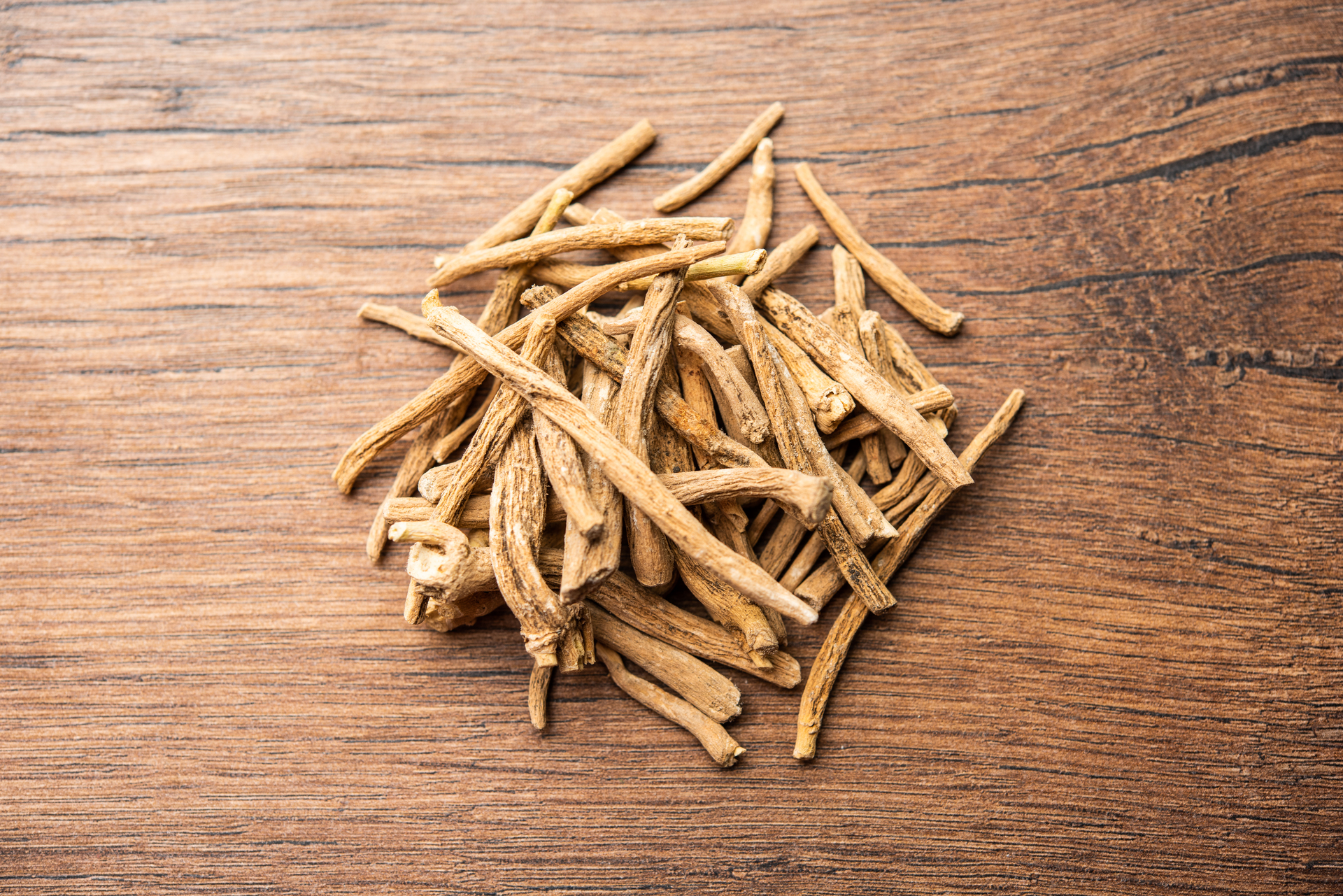
Written by Tabish Mehraj, PhD. In this study, ashwagandha root extract supplementation significantly improved processing speed (p=0.040), delayed word recall (p=0.038, d=0.59), Stroop accuracy (p=0.021, d=0.61), Corsi span (p=0.013, d=0.66), and choice reaction time accuracy (p=0.005, d=0.75), alongside better parent-reported sleep (SDSC, p=0.035), with no significant adverse events.
 Attention, working memory, sleep, and fatigue are important determinants of children’s learning and daily functioning, yet evidence for well-tolerated non-pharmacological interventions in children with mild cognitive concerns remains limited. 15% of children have memory issues, which often impacts their attentiveness and effects their sustained focus. Management of significant attention-related difficulties often includes stimulant medications, such as dexamphetamine, alongside behavioral interventions. However, stimulant medications may be associated with adverse effects including decreased appetite and sleep disturbances. Ashwagandha (Withania somnifera L. Dunal) is an adaptogenic herb with reported cognitive and sleep-related benefits. Proposed mechanisms include modulation of gamma-aminobutyric acid (GABA) signaling and oxidative stress pathways. This study evaluated the preliminary efficacy and safety of a standardized ashwagandha root extract (ARE) in healthy children with parent-reported concerns about attention, concentration, or memory.
This randomized, double-blind, placebo-controlled, parallel-group trial was conducted at two clinical sites in India and Australia. 85 healthy children aged 6–12 years were randomized to receive either standardized aqueous ARE (KSM-66; 150 mg twice daily) or visually identical placebo gummies for 8 weeks. The primary outcome was change in cognitive performance assessed at baseline and week 8 using the Computerized Mental Performance Assessment System, including measures of information-processing speed, episodic memory, executive function, working memory, and attentional accuracy. Other outcomes included parent-reported sleep disturbance, fatigue, emotional and behavioral difficulties, and executive functioning, assessed using the Sleep Disturbance Scale for Children, Patient-Reported Outcomes Measurement Information System Fatigue Scale, Strengths and Difficulties Questionnaire, and Behavior Rating Inventory of Executive Function.
Results/Key Findings
- 73 children completed the study and were included in the per-protocol analysis (ARE, n=39; placebo, n=34). Compared with placebo, ARE significantly improved overall information-processing speed (p=0.040).
- ARE also produced greater improvements in delayed word recall (p=0.038; d=0.59), Stroop-task accuracy reflecting executive control (p=0.021; d=0.61), Corsi Block Span reflecting visual working memory (p=0.013; d=0.66), and choice-reaction-time accuracy (p=0.005; d=0.75).
- Parent-reported sleep disturbance scores improved significantly more with ARE than with placebo. (p=0.035; d=0.51).
- ARE did not significantly improve overall emotional and behavioral difficulties (p=0.075), fatigue (p=0.070), or any BRIEF-2 executive-function domain.
- Safety: No serious adverse events were reported. Mild, transient adverse events occurred at similar rates in both groups, and none led to discontinuation due to product-related effects.
There are potential strengths to the study which include randomized allocation, double blinding, an identical placebo, prospective registration, implementation at two sites, use of a standardized root-only extract, and assessment using both objective computerized cognitive tasks and validated parent-reported measures. The study also addresses an under-researched pediatric population and provides preliminary tolerability data. However, interpretation is constrained by the small exploratory sample, absence of a formal a priori sample-size calculation, 8-week intervention, attrition, and reliance on per-protocol rather than intention-to-treat analyses. Multiple cognitive endpoints were tested without formal adjustment for multiplicity, increasing the possibility of type I error. Parent-reported outcomes may be vulnerable to rater and expectancy bias, while exclusion of children with diagnosed neurodevelopmental disorders and the requirement for English fluency may limit generalizability. The intervention and placebo were supplied with financial support from the product sponsor, although the authors reported that the sponsor had no role in analysis, interpretation, or manuscript preparation.
In healthy 6–12-year-old children with subclinical parent-reported attention or memory concerns, 8 weeks of standardized ARE supplementation was associated with improvements in information-processing speed, selected memory and executive-function measures, and parent-rated sleep, with no significant short-term safety concerns identified. These findings should be regarded as preliminary rather than definitive evidence of therapeutic efficacy. Larger, adequately powered, longer-term trials using intention-to-treat analyses, prespecified primary outcomes, multiplicity control, and more diverse pediatric samples are needed to confirm efficacy and characterize long-term safety.
Click here to read the full text study.
Posted October 12, 2026.
Dr. Tabish Mehraj is a pharmaceutical scientist with expertise in pharmaceutics, drug delivery, and formulation development. She earned her PhD in Pharmaceutical Sciences from the University of Mississippi, where her research focused on the formulation, optimization, and characterization of lipid-based nanocarriers for targeted liver delivery of antimalarial therapeutics. Dr. Mehraj has also served as an ORISE Fellow at the U.S. Food and Drug Administration (FDA), where she evaluated the effects of formulation and process design on the quality and performance of intravaginal drug delivery systems and developed bio-relevant in vitro drug release testing methods. She has teaching experience in pharmaceutical and life sciences courses and has authored peer-reviewed publications, book chapters, and conference presentations. Dr. Mehraj is an active member of the American Association of Pharmaceutical Scientists and has been recognized by honor societies including Rho Chi and Gamma Beta Phi.
Reference:
- Saxena, A., Lopresti, A., Sharif, M., Elon, N., Suri, R., & Langade, D. K. (2026). A clinical assessment of the therapeutic effects of Ashwagandha root extract on cognitive performance, sleep, and fatigue in children aged 6–12 years. Frontiers in Nutrition, 13, 1742138.


Comments (0)