

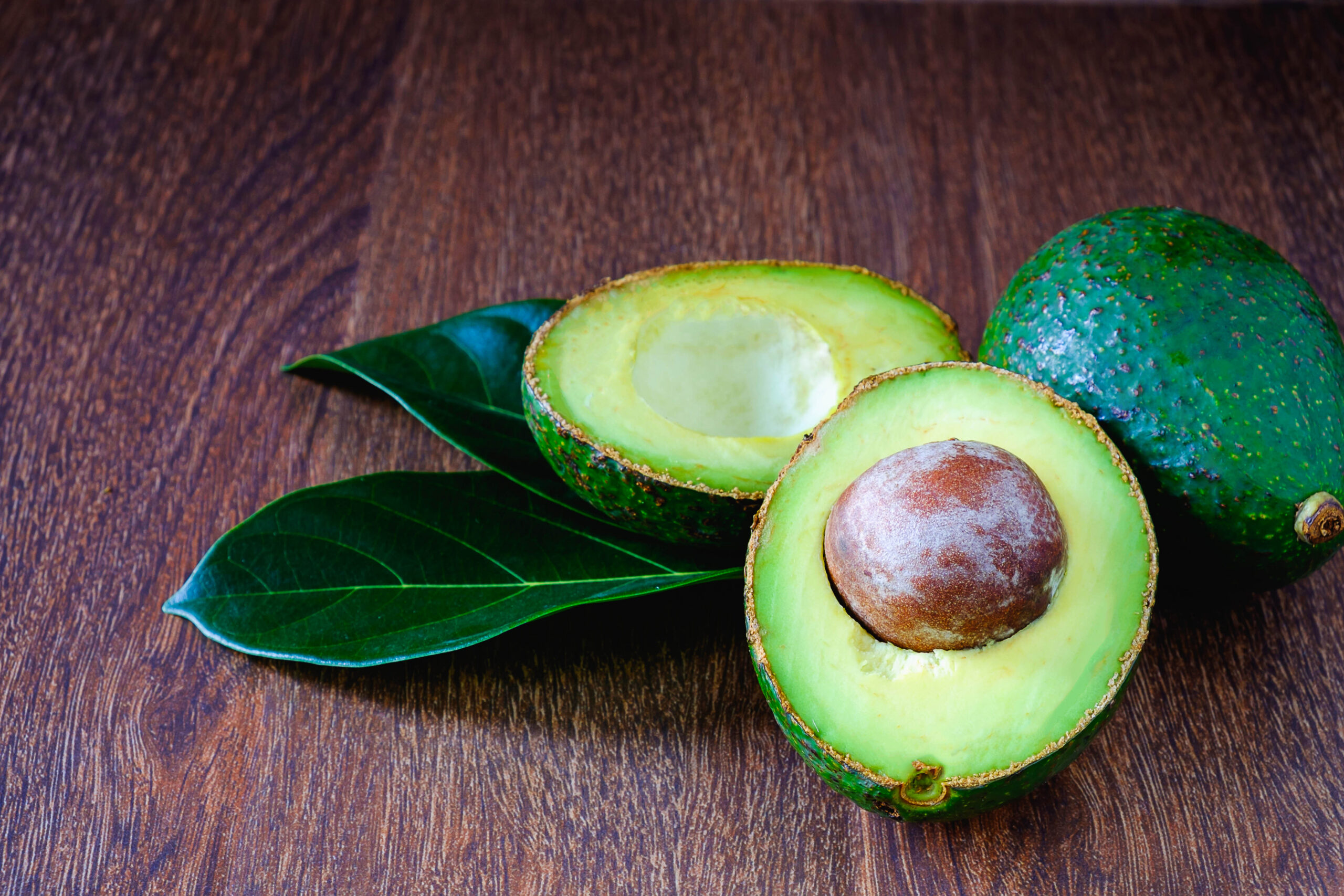
Written by Alexa Heathorn, MS, CNS. Daily consumption of one avocado for six months significantly reduced dietary glycemic load without significantly changing dietary glycemic index, suggesting a simple dietary strategy for lowering the glycemic impact of the diet in adults with abdominal obesity.
 Cardiometabolic diseases, including type 2 diabetes, cardiovascular disease (CVD), and obesity, have become a significant public health challenge worldwide.¹ While genetics and environmental factors play a role, dietary patterns are important modifiable determinants of cardiometabolic disease risk. Glycemic response, or how blood glucose levels change following food consumption, is one dietary factor that may influence cardiometabolic health. Two common measures of glycemic response are glycemic index (GI) and glycemic load (GL). GI measures the rise in blood glucose after consuming a carbohydrate-containing food compared with a reference food, such as glucose or white bread, while GL accounts for both the GI and the amount of available carbohydrate consumed, providing a more comprehensive assessment of a food’s impact on blood glucose.¹
Previous evidence suggests that diets lower in GI and GL may support the prevention and management of type 2 diabetes and cardiovascular disease, among other health outcomes.¹ Dietary strategies including Mediterranean diets supplemented with extra-virgin olive oil or nuts, the addition of dietary fat to meals, and increased fiber intake have demonstrated favorable effects on GI, GL, or postprandial glycemic response. However, few studies have investigated whether incorporating a single food into an otherwise habitual diet can meaningfully alter overall dietary GI or GL.¹
Avocados are a nutrient-dense plant food rich in monounsaturated fatty acids, fiber, phytosterols, carotenoids, and micronutrients. Their unique nutritional composition, low in carbohydrates and high in fat and fiber, may contribute to a lower dietary GI and GL.¹ The current study investigated whether including one avocado daily for six months as part of a habitual diet could lower dietary GI and GL in adults with elevated waist circumference.
The study was a secondary analysis of the Habitual Diet and Avocado Trial (HAT), a multisite, randomized, controlled, parallel-arm intervention study evaluating the effects of adding one avocado daily to the habitual diet of adults with abdominal obesity over six months.¹ The original trial included 1,008 participants randomly assigned to consume one large avocado (~168 g) per day or limit avocado consumption to fewer than two per month while otherwise maintaining their habitual diet and lifestyle. A total of 961 participants with complete dietary and covariate data were included in the current analysis.¹
Dietary intake was assessed using three unannounced 24-hour dietary recalls conducted at weeks 8, 16, and 26. Mean dietary GI and GL were calculated from these recalls using the Nutrition Data System for Research and compared between the avocado and habitual diet groups.¹ After 6 months of avocado consumption, the glycemic load in the avocado supplementation group was lower by 13.7 points (95% confidence interval: 17.0, 10.4; P < 0.001).1
The reduction in dietary GL observed with avocado consumption may be explained by several components of its nutritional composition. One large avocado provides approximately 11 g of fiber, which may contribute to improved glucose regulation through effects on gastric emptying, carbohydrate absorption, satiety, and potentially gut microbiota composition.¹ Avocados are also rich in monounsaturated and polyunsaturated fatty acids, which may further reduce glycemic response. Additionally, the reduction in GL may have resulted not only from the low-carbohydrate composition of avocados but also from substitution of higher-glycemic foods that participants may otherwise have consumed.
Several limitations should be considered when interpreting these findings. Dietary intake was self-reported using 24-hour recalls, introducing the potential for under- or overreporting. GI and GL measurements are also subject to variation both within and between individuals. Because GI and GL were evaluated as secondary outcomes, the trial was not originally designed or powered specifically to assess changes in glycemic index or glycemic load. Findings may not be generalizable to lean individuals, people with diabetes, or populations outside the U.S. However, strengths of the study include its large sample size, inclusion of participants across four geographically distinct U.S. sites, use of multiple standardized 24-hour dietary recalls, and six-month parallel study design.¹
Overall, adding one avocado daily to the habitual diet significantly reduced dietary GL without significantly affecting GI or requiring broader dietary changes. These findings suggest that incorporating a nutrient-dense food such as avocado may provide a simple and sustainable strategy for reducing dietary glycemic load, with potential implications for long-term cardiometabolic health.¹
Click here to read the full text study.
Posted October 19, 2026.
Alexa Heathorn, MS, CNS-c, is a clinical nutritionist specializing in metabolic health, hormonal balance, and gastrointestinal restoration through root-cause functional nutrition. She earned her master’s degree in Nutrition from Bastyr University and is currently a Certified Nutrition Specialist (CNS) candidate. Alexa also works as a research writer and functional health consultant, translating complex science into actionable strategies for practitioners and wellness companies. Learn more at www.bloomedwellness.com.
References:
- LeBeau K, Segovia-Siapco G, Heskey C, et al. The effect of including 1 avocado daily in a habitual diet on the glycemic index and glycemic load in free-living adults with overweight/obesity. Curr Dev Nutr. 2026;10:107690. doi:10.1016/j.cdnut.2026.107690.


Comments (0)