

Written by Tabish Mehraj, PhD. In this study, the WCO31 group demonstrated significantly superior outcomes, including height, growth rate, growth rate SDS, height SDS, and height-for-age Z-score, than the placebo group (all p < 0.001). Moreover, no safety-related concerns were identified.
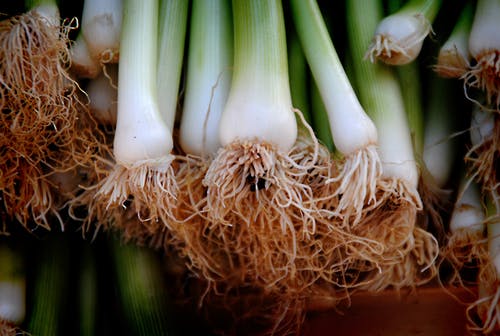
 Bone development and remodeling occur throughout life, but childhood is an important period for skeletal development. Height is influenced by genetic, nutritional, hormonal, and environmental factors. Safe nutritional interventions that support healthy growth are of increasing interest as alternatives to growth hormone therapy. This study evaluated the efficacy and safety of a mixture of Allium fistulosum root and Avena sativa (WCO31) in promoting height growth among healthy children. Many studies have examined various factors affecting bone health and skeletal growth, including heredity, nutrition, exercise, and environment. Glucan, which is abundant in oats, has been shown to exert anti-obesity, antihypertensive, and antidiabetic effects by lowering serum triglyceride and cholesterol levels. Some in vitro and in vivo studies have specifically indicated that green onion roots contribute to longitudinal bone growth.
In this 24-week randomized, double multicenter, placebo-controlled trial, 160 healthy Korean children aged 6–8 years with heights between the 3rd and 50th percentiles received either WCO31 (1.2 g/day) or placebo once daily. The primary parameter was change in height; other outcomes were the growth rate, growth rate standard deviation score (SDS), height SDS, growth-related biomarkers (IGF-1, IGF-1/IGFBP-3 ratio, growth hormone), bone-related indicators (bone age and osteocalcin), growth-related Z-scores, and safety outcomes.
Results/ Main Findings
- Height gain after 24 weeks was significantly greater with WCO31 than placebo (3.12 ± 0.92 cm vs. 2.38 ± 0.82 cm; P < 0.001).
- A significant difference was already evident at 12 weeks (1.20 ± 0.70 cm vs. 0.95 ± 0.69 cm; P = 0.032).
- Growth rate increased significantly with WCO31 compared with placebo (1.63 ± 0.95 vs. 1.07 ± 0.79; P < 0.001).
- WCO31 produced a significantly greater improvement than placebo (4.06 ± 3.04 vs. 2.06 ± 1.97; P < 0.001).
- HAZ increased in the WCO31 group (+0.10 ± 0.22) compared with a slight decline in placebo (−0.04 ± 0.19; P < 0.001).
- No significant between-group differences were observed in IGF-1, IGFBP-3, IGF-1/IGFBP-3 ratio, growth hormone, bone age, osteocalcin, or weight-for-height Z-score.
- WCO31 significantly improved growth regardless of baseline growth status, demonstrating benefits in both lower (P < 0.001) and higher (P = 0.019) baseline growth SDS
Daily supplementation with WCO31 for 24 weeks significantly enhanced linear growth in healthy children, with no safety concerns. Although improvements in growth biomarkers were not observed, WCO31 may represent a promising nutritional intervention to support healthy childhood growth. Larger, longer-term studies are needed to confirm its effects on final adult height and to elucidate the underlying mechanisms. Adverse events occurred at similar rates in the WCO31 and placebo groups (12 vs. 9 participants), with no treatment-related serious adverse events. Laboratory values, sex hormones, and vital signs remained comparable between groups throughout the study.
The strengths of the study include the large randomized, double-blind, placebo-controlled, multicenter study design with 160 participants. The twenty-four-week intervention provided a longer evaluation period than many pediatric nutrition studies. Furthermore, the study included both per-protocol and intention-to-treat analyses to assess robustness of findings and it used multiple validated measures of growth, including height, growth rate, SDS scores, biomarkers, and safety assessments. There was high treatment compliance and comprehensive safety monitoring demonstrated favorable tolerability and the study was conducted according to Ministry of Food and Drug Safety (MFDS) guidelines with rigorous ethical oversight.
There are some limitations to the study, such as the 24-week duration may not have been sufficient to determine the long-term impact on final adult height. Although height improved, no significant between-group changes were observed in IGF-1, growth hormone, or other bone-related biomarkers, leaving the underlying mechanism unclear. Diet, physical activity, and sleep were assessed using self-reported questionnaires rather than objective monitoring, which may introduce potential confounding. The intention-to-treat analysis did not demonstrate statistically significant differences in height, suggesting that treatment effects may be influenced by adherence. Participants were exclusively Korean children aged 6–8 years, which may limit generalizability to other populations. Larger, longer-term, and multiethnic studies are needed to confirm efficacy and evaluate effects on adult height.
Click here to read the full text study.
Posted July 30, 2026.
Dr. Tabish Mehraj is a pharmaceutical scientist with expertise in pharmaceutics, drug delivery, and formulation development. She earned her PhD in Pharmaceutical Sciences from the University of Mississippi, where her research focused on the formulation, optimization, and characterization of lipid-based nanocarriers for targeted liver delivery of antimalarial therapeutics. Dr. Mehraj has also served as an ORISE Fellow at the U.S. Food and Drug Administration (FDA), where she evaluated the effects of formulation and process design on the quality and performance of intravaginal drug delivery systems and developed bio-relevant in vitro drug release testing methods. She has teaching experience in pharmaceutical and life sciences courses and has authored peer-reviewed publications, book chapters, and conference presentations. Dr. Mehraj is an active member of the American Association of Pharmaceutical Scientists and has been recognized by honor societies including Rho Chi and Gamma Beta Phi.
Reference:
- Kim, Y. J., Kim, D. Y., Cheong, S. I., Yang, H. J., Kim, M. J., Jang, H. J., … & Park, S. J. (2026). Effects of Allium fistulosum L. (Green Onion) Root and Avena sativa L. (Oat) Mixtures (WCO31) on the Height of Children: A Multi-Center, Randomized, Double-Blind, Placebo-Controlled Clinical Trial. Nutrients, 18(9), 1326-1326.


Comments (0)