


An Urban Environment Poses Higher Risk of Dog and Owner Allergies than a Rural Environment
Written by Joyce Smith, BS. This study shows that dogs and humans can be predisposed to allergies in response to the same environmental risk factors.
Written by Joyce Smith, BS. This study shows that dogs and humans can be predisposed to allergies in response to the same environmental risk factors.

Written by Joyce Smith, BS. This study finds that maternal 25(OH)D during pregnancy is positively associated with children’s neurocognitive development through ages four to six.

Written by Joyce Smith, BS. This study found that when comparing the effect of four low-calorie sweeteners (LCSs) aspartame, saccharin, rebaudioside A and sucralose with sucrose, the LCSs had differing effects on body weight among the participating obese or overweight adults.

Written by Angeline A. De Leon, Staff Writer. This in vitro and in vivo rat study suggests that resveratrol acts as a thyroid disruptor and a goitrogen and thus recommends caution when using it as a supplement or therapeutic.

Written by Angeline A. De Leon, Staff Writer. This Mendelian randomization analysis does not support the use of selenium supplementation in prostate cancer prevention and suggests that supplementation might increase the risk of advanced prostate cancer and type 2 diabetes.

Written by Joyce Smith, BS. Study authors attribute the blood pressure- and cholesterol-lowering effects of tart cherry juice consumption to specific biomarkers of inflammation and oxidative stress.
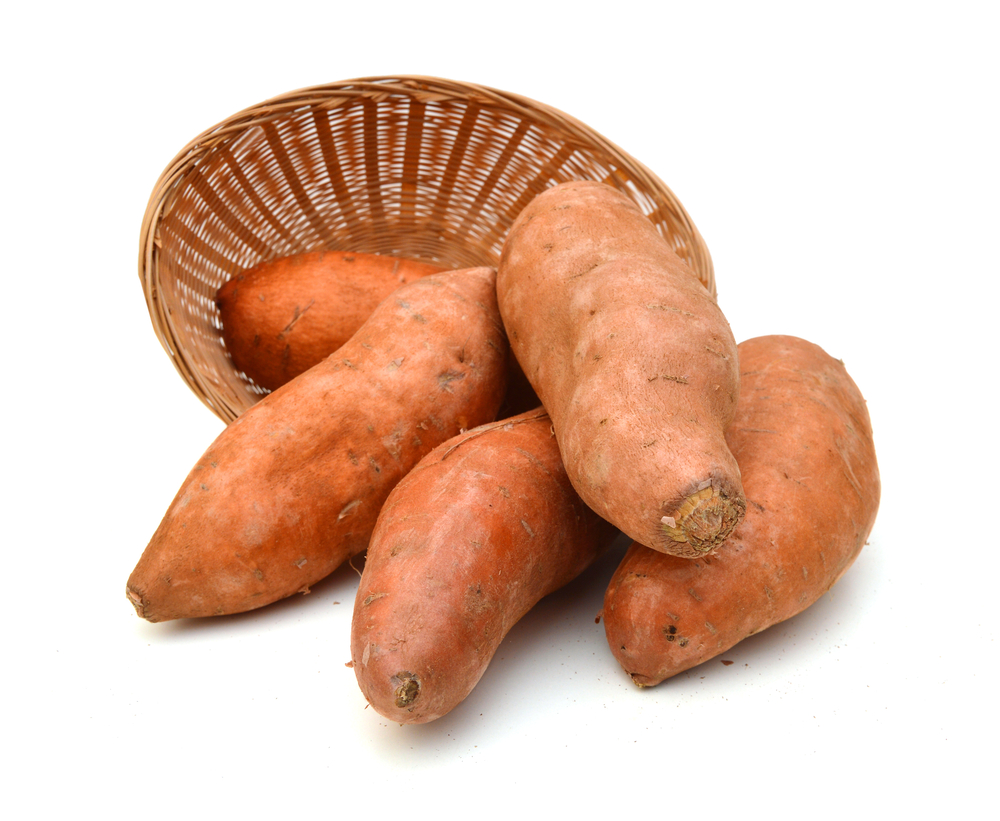
Written by Patrick Massey, MD, PhD. There is a reasonable amount of research on the effect of resistant starch on improving glycemic control, cholesterol levels, and possibly reducing the risk of diabetes and heart disease. However, further research is needed.

Written by Angeline A. De Leon, Staff Writer. Ashwagandha, at both 250 and 600 mg/day doses, significantly decreased perceived stress scores and improved sleep quality in participating subjects compared to controls.

Written by Joyce Smith, BS. This study found an inverse association between serum vitamin D levels and SARS-CoV-2 positivity rates.

Written by Angeline A. De Leon, Staff Writer. Nervonic acid, an n-9 monounsaturated fatty acid, was positively associated with sarcopenia diagnosis and may be a useful marker of sarcopenia.


