


Dietary Protein Intake and Muscle Mass in Elderly
Written by Jessica Patella, ND. The study determined that a higher total protein intake and higher plant-based protein intake were positively associated with muscle mass in the elderly.
Written by Jessica Patella, ND. The study determined that a higher total protein intake and higher plant-based protein intake were positively associated with muscle mass in the elderly.
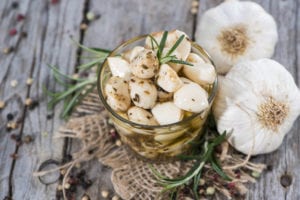
Written by Harold Oster, MD. Results show that daily consumption of a garlic and onion extract concentrate may lower the incidence of respiratory infectious diseases in a population of elderly residents of a care facility, but other factors may have played a role in producing the apparent benefit.

Written by Taylor Woosley, Staff Writer. When vitamin D intake was raised by 1 µg/1000 kcal, there was an increase of 0.226 ng/mL and 0.314 ng/mL in the serum 25(OH)D levels during the summertime and wintertime, respectively (p < 0.01, p < 0.001, respectively).

Written by Taylor Woosley, Staff Writer. Analysis of 132 healthy older adults in both the piano and musical culture group revealed a widespread pattern of positive GM volume changes over 6 months (p < 0.001) in the neocortex, subcortical structures, and in the cerebellum.
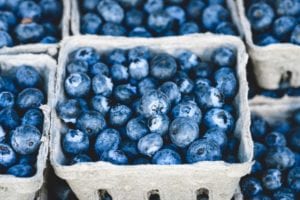
Written by Taylor Woosley, Staff Writer. 12-week supplementation of 22 g daily of freeze-dried blueberry powder resulted in a 96% increase in FMD/SRAUC compared to baseline (p < 0.05) and was unchanged in the placebo group (p > 0.05).

Written by Taylor Woosley, Staff Writer. Plant based diets were associated with increased risk of bone loss, while higher unhealthy plant-based diets were associated with increased risk of osteoporosis.

Written by Taylor Woosley, Staff Writer. Results show statistically significant differences in mean vitamin K intake (p < 0.001) and mean vitamin D intake (p = 0.03) between healthy controls and subjects with irritable bowel disease.

Written by Taylor Woosley, Staff Writer. Results of the double-blind randomized controlled trial with postmenopausal women supplementing with L. fermentum SRK414 showed a significant increase at 6 months post-trial in the treatment group (p = 0.030) compared to control.
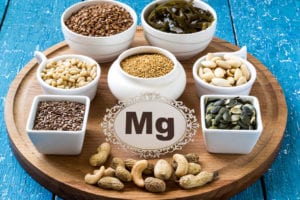
Written by Taylor Woosley, Staff Writer. Higher baseline dietary magnesium intake was associated with larger brain volumes (gray matter: 0.001%, left hippocampus: 0.0013%, and right hippocampus: 0.0023%) in both men and women.

Written by Taylor Woosley, Staff Writer. Results of the meta-analysis including 11 randomized controlled studies shows improved motor scores (SMD, -0.65; 95% CI -1.11 to -0.19), non-motor scores (SMD, -0.81; 95% CI -1.12 to -0.51), and mental health scores (SMD, -0.72; 95% CI -1.10 to -0.35) in subjects in the probiotic groups compared to the control group.


