


The Role of Nutrition in Slowing Alzheimer’s Disease – Informed Opinion
Written by Dr. Patrick Massey, M.D., Ph.D. There is increasing medical evidence that nutrition is important for not only preventing diseases but perhaps reversing them.
Written by Dr. Patrick Massey, M.D., Ph.D. There is increasing medical evidence that nutrition is important for not only preventing diseases but perhaps reversing them.

Written by Greg Arnold, DC, CSCS. A new study showed researchers that 12 servings per month of green leafy vegetables reduced lung cancer risk by 17%, 750 mcg of folic acid per day decreased lung cancer risk by 16%, and daily use of a multivitamin decreased lung cancer by 32%.

Written by Greg Arnold, DC, CSCS. Pycnogenol used at 300 mg per day and topical cream reduced the time of pain by 32%.

Written by Susan Sweeny Johnson, PhD. In this study of 257 adult men and women, those with higher Vitamin D levels also had elevated HDL cholesterol and decreased waist circumference thus demonstrating that higher Vitamin D levels may help reduce metabolic syndrome.

Written by Susan Sweeny Johnson, PhD. In a small mouse study, those deficient in omega-3s had 55% more brain shrinkage than those supplemented with omega-3.

Written by Marcia J. Egles, MD. The use of extended-release niacin causes a significant regression of carotid intima–media thickness when combined with a statin.

Written by Greg Arnold, DC, CSCS. In a study of more than 13,000 patients, researchers found that the group with lowest vitamin D blood levels had a 160% greater risk of kidney failure where dialysis is needed compared to all other patients.

Written by Greg Arnold, DC, CSCS. In a study of 32 rats, those fed acai pulp had 62% lower levels of a marker for chronic diseases such as Alzheimer’s disease, rheumatoid arthritis, and diabetes.
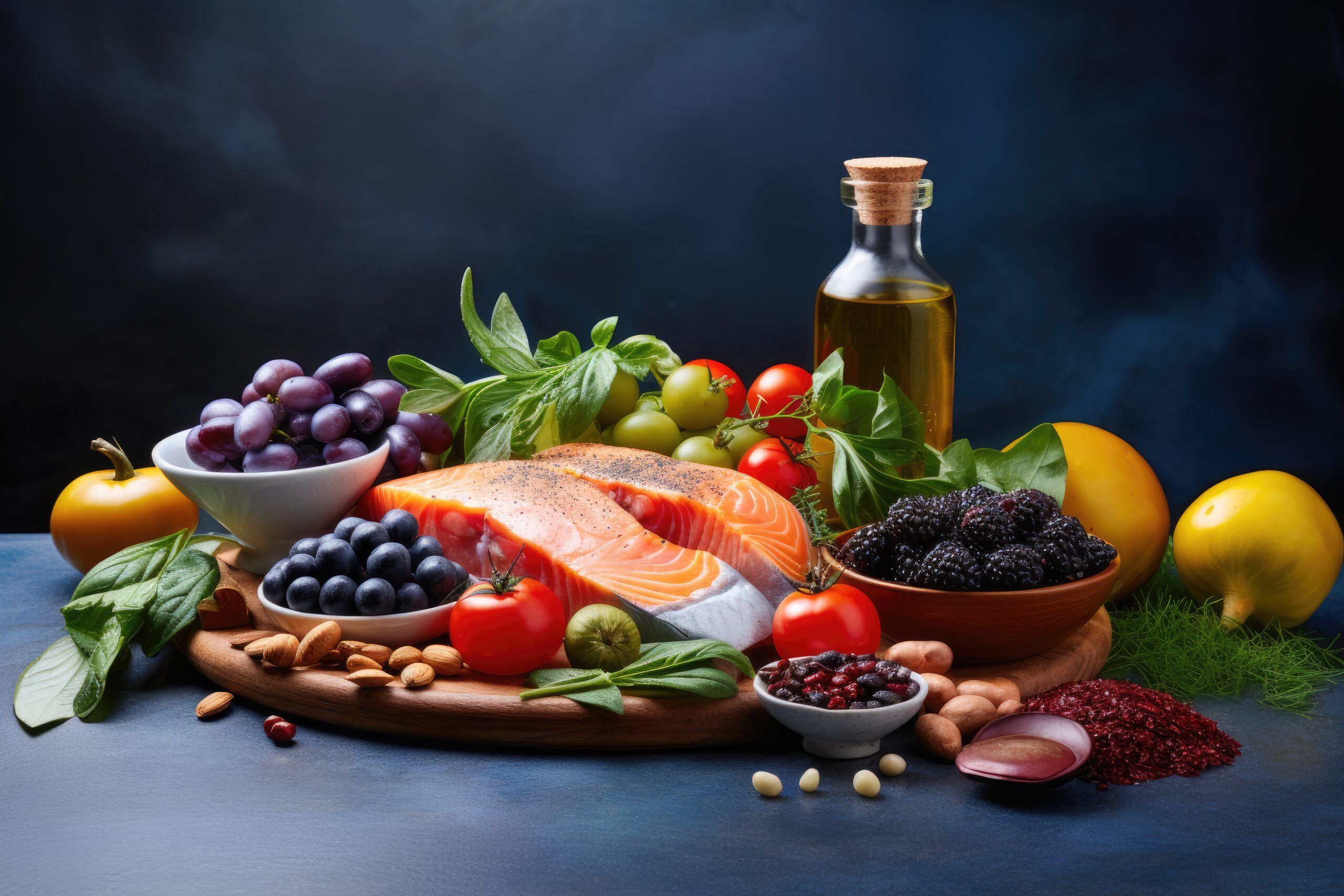
Written by Greg Arnold, DC, CSCS. The top 20% of the 2000 patients in the Farmingham Heart Study, who followed the Mediterranean Diet for 7 years, had a 9.6% decrease in triglycerides and a 1.8% smaller waist circumference than the lowest 20% .

Written by Greg Arnold, DC, CSCS. Fewer than 10% of Americans consume the recommended 3 servings of whole grains per day, and in a study of 2100 teens, only 11% of males and 13% of females consume more than one serving per day.


