Ultra-Processed Foods Linked to Renal Failure
Written by Chrystal Moulton, Staff Writer. Ultra-processed food consumption is associated with a 50% risk of renal failure in older adults.
Written by Chrystal Moulton, Staff Writer. Compared to delta-9-tetrahydrocannabinol (THC) inhaled alone or in combination with cannabidiol (CBD), inhaled CBD demonstrated a reduction in psychotic-like symptoms in light users of cannabis.
Written by Angeline A. De Leon, Staff Writer. CBD significantly blocked transient osteoarthritis pain, while prophylactic CBD treatment significantly prevented the later development of pain and nerve damage in the OA joints of a rat model.
Written by Dr. Patrick Massey, MD, PhD. A recent study demonstrated that cannabis can have a significant benefit in reducing the pain and improving the quality of life in people with fibromyalgia.
Written by Angeline A. De Leon, Staff Writer. Study results demonstrate that an anxiety-reducing dose of cannabidiol does not appear to interfere with the sleep cycle of healthy volunteers.
Written by Joyce Smith, BS. This study explores the positive benefits of hormone therapy using estrogen on postmenopausal women with nocturia.
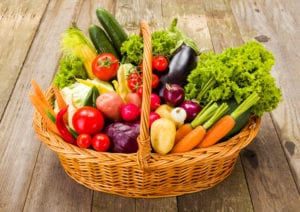
Written by Joyce Smith, BS. Results of two prospective cohort studies and a meta-analysis of 26 cohort studies provide evidence of an inverse association between fruit and vegetable consumption and mortality.
Written by Joyce Smith, BS. This study demonstrates that commonly used nonnutritive sweeteners have the ability to promote the spread of antibiotic-resistant genes in the intestine.
Written by Joyce Smith, BS. This study found that higher leisure time physical activity was associated with reduced major adverse cardiovascular events (MACE) and all-cause mortality risk, while higher occupational physical activity was associated with increased risk, independent of each other.
Written by Joyce Smith, BS. An analyses of phenotype and genes suggests that long-term heavy coffee drinkers with elevated LDL cholesterol may have an increased risk for cardiovascular disease (CVD).