


Find Relief from Chronic Cough with Vitamin B12 – Informed Opinion
Written by Patrick B. Massey, M.D., Ph.D. A recent study suggests that a chronic cough may be associated with a vitamin B12 deficiency.
Written by Patrick B. Massey, M.D., Ph.D. A recent study suggests that a chronic cough may be associated with a vitamin B12 deficiency.
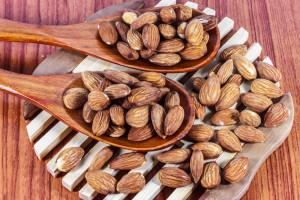
Written by Greg Arnold, DC, CSCS. Research demonstrates that natural almond skins exhibit anti-viral protection and suggests they stimulate a response which contributes to an anti-viral immune defense.

Written by Greg Arnold, DC, CSCS. In research on 69,715 health professionals, those with the highest anthocyanin intake had 8% less high blood pressure.

Written by Greg Arnold, DC, CSCS. Researchers found when vitamin D was given at 2000IU per day a marker of infection fighting nearly tripled.

Written by Greg Arnold, DC, CSCS. After brain injury mice given DHA had 89% lower levels of a marker of brain damage.
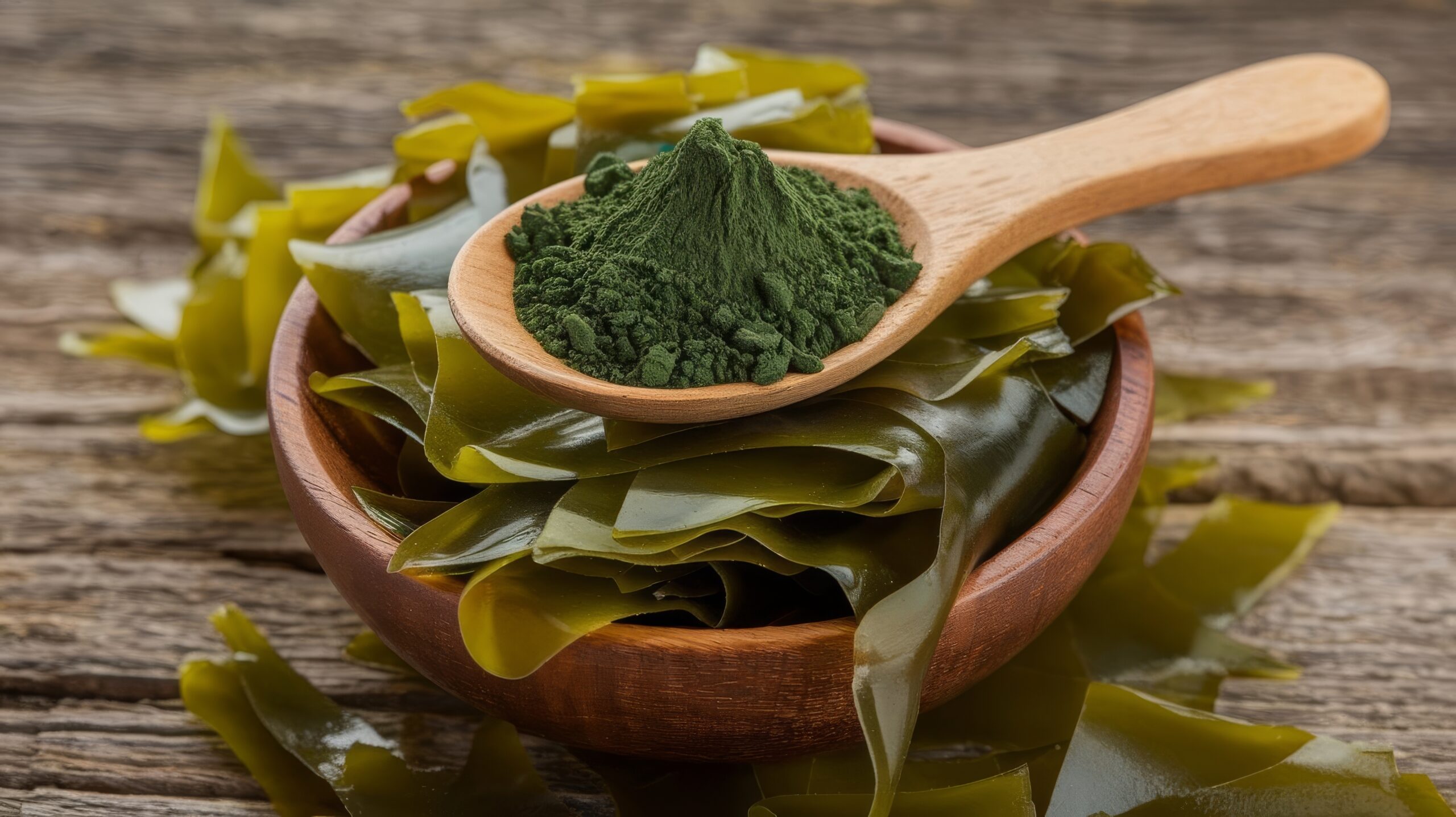
Written by Jessica Patella, ND. Spirulina supplementation lengthened the time to the fatigue point by 24%.
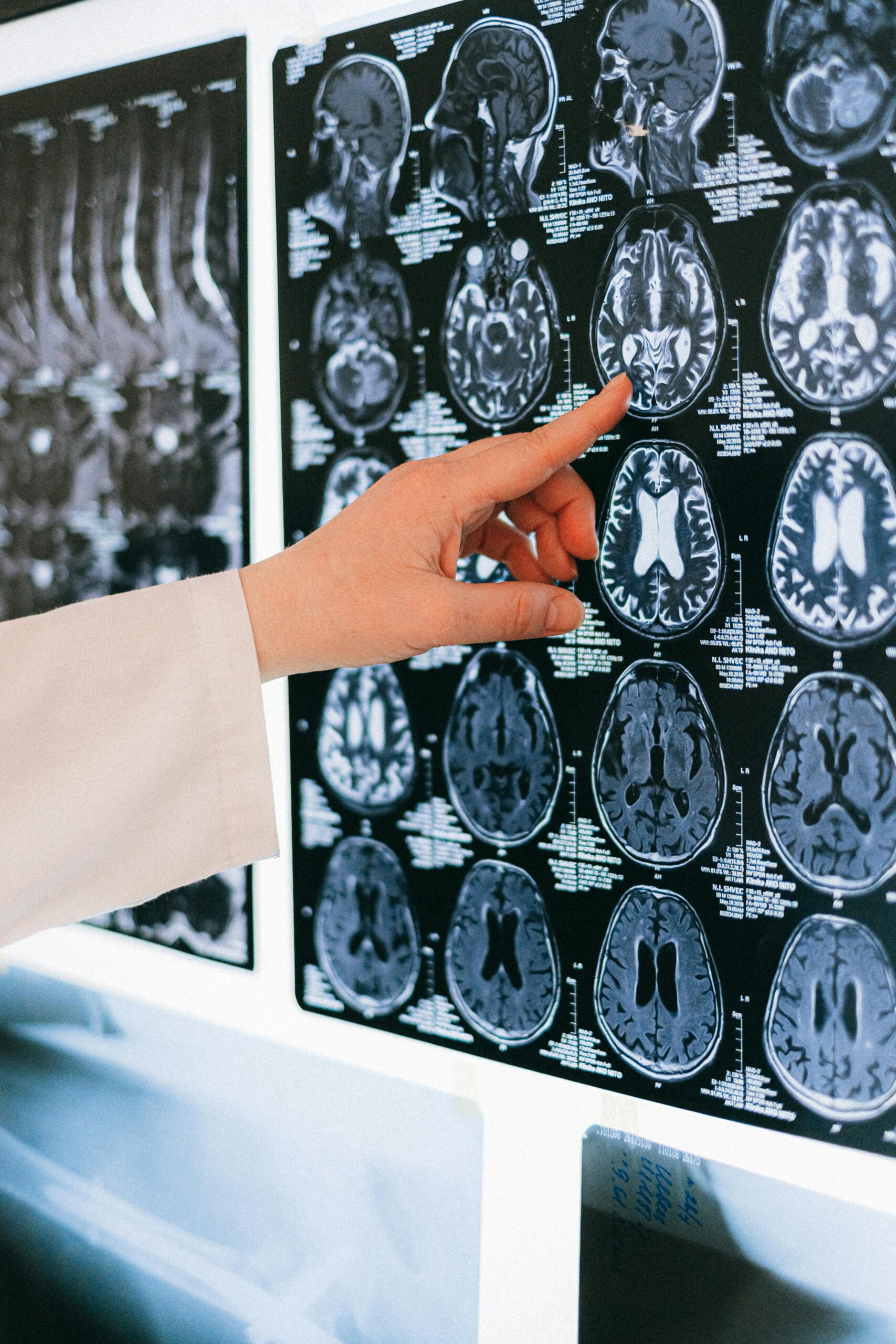
Written by Dr. Patrick B. Massey, PhD, MD. Both old and new therapies, such as acupressure and the Aphasia Project, show benefits in the treatment of traumatic brain injury.

Written by Tatjana Djakovic, Staff Writer. Antioxidant Vitamin C and E Increase Survival Rate of Breast Cancer Patients Undergoing Treatment.

Written by Jessica Patella, ND. In this study, sesame protein isolate is associated with decreases in total cholesterol, triglycerides, and LDL cholesterol, and increases in HDL cholesterol.

Written by Patrick Massey, M.D., Ph.D. Each of us must take responsibility for our own health and make lifestyle changes that will allow us to become healthy.


