

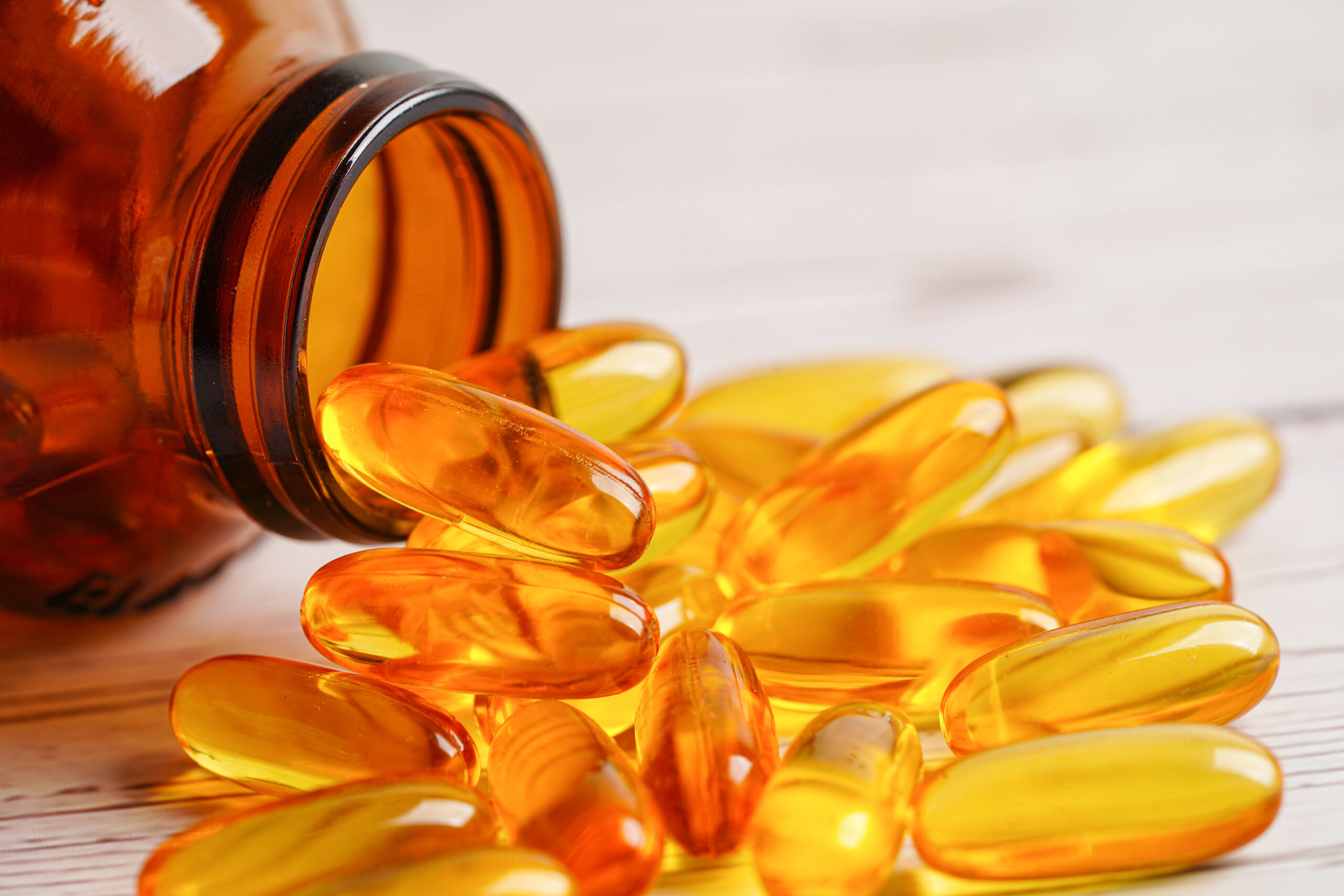
Increased Levels of Vitamin E May Reduce the Risk of Alzheimer’s Disease
Written by Jessica Patella, ND. Patients with high blood levels of vitamin E had 45% reduced risk of developing Alzheimer’s disease.
Written by Jessica Patella, ND. Patients with high blood levels of vitamin E had 45% reduced risk of developing Alzheimer’s disease.

Written by Tatjana Djakovic, Staff Writer. Researchers found that systolic blood pressure decreased by 8.1% in study participants who drank hibiscus tea and their diastolic blood pressure decreased by 1.6%.
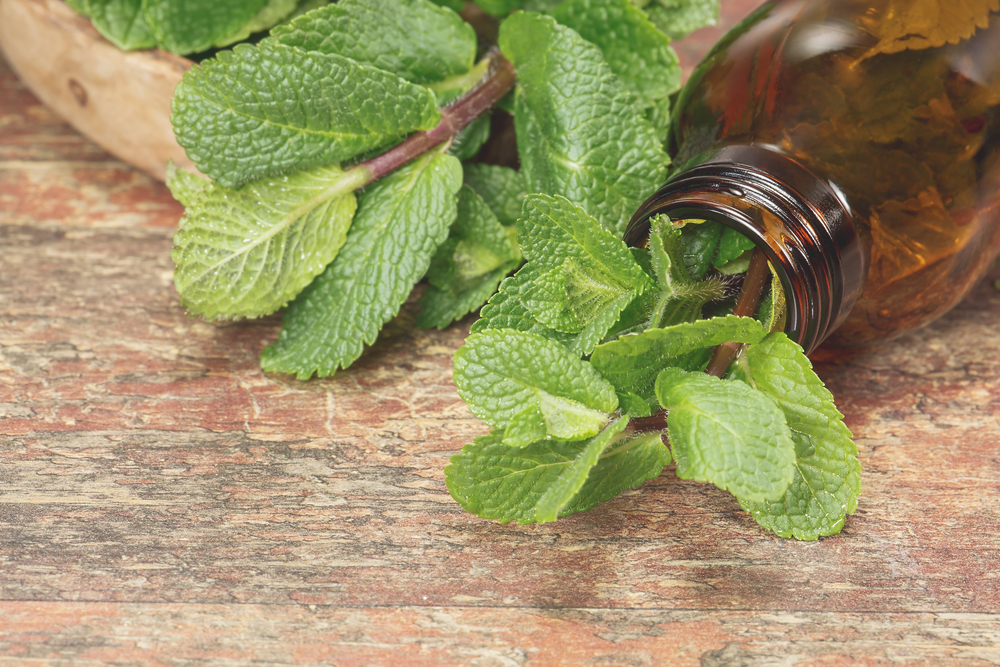
Written by Tatjana Djakovic, Staff Writer. In a study of 57 patients with irritable bowel syndrome, researchers found that 225 mg of peppermint oil was more effective than a placebo in reducing their irritable bowel syndrome symptoms.

Written by Dr. Patrick Massey, M.D., Ph.D. Medical research has shown that physical exercise not only reduces the need for medication, but in some cases may reverse type II diabetes.

Written by Marcia Zimmerman, CN. Foods that trigger headaches include dairy, sugar, wheat, corn, eggs, and a number of other foods and food chemicals.
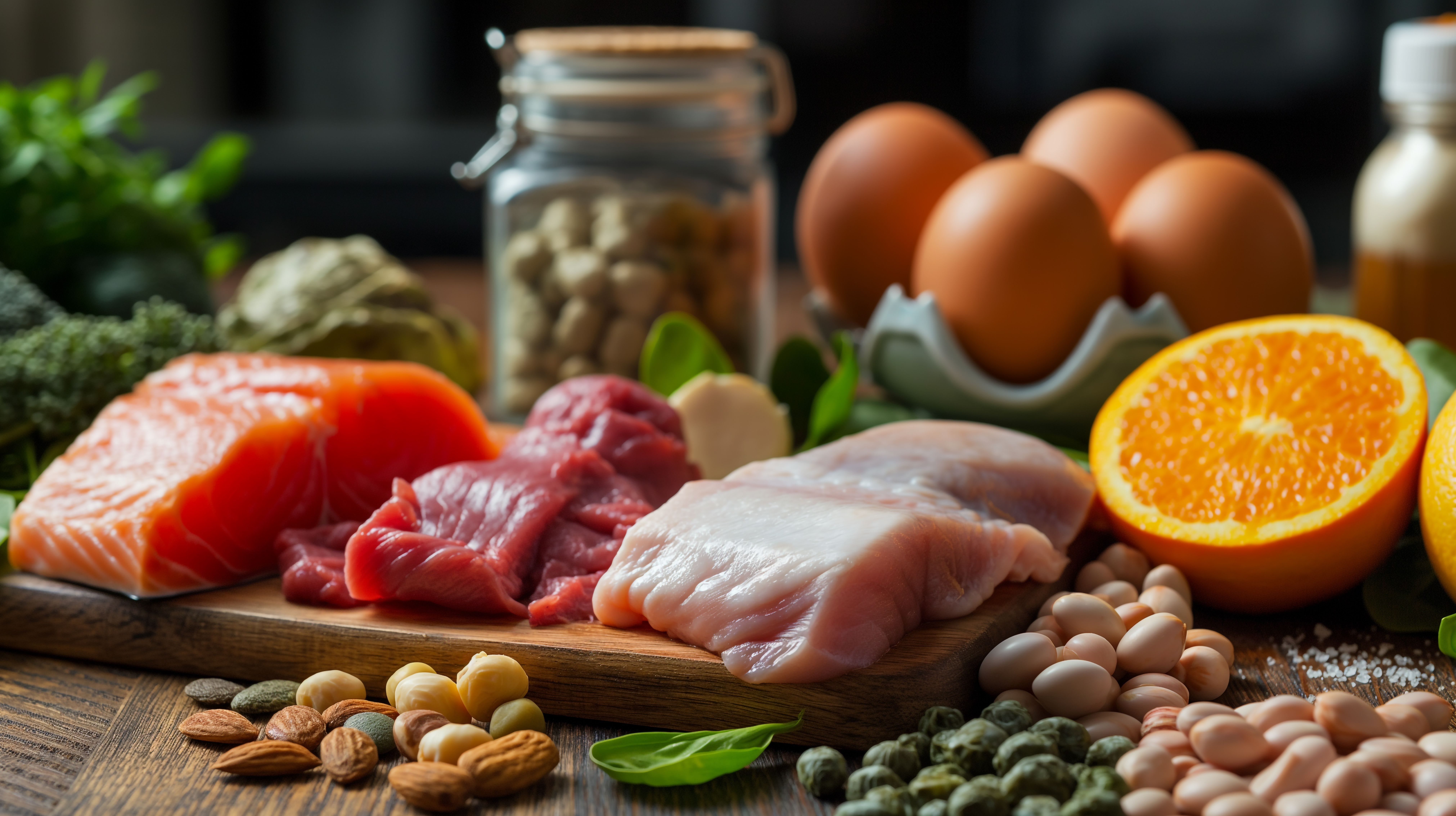
Written by Neil Levin, CCN, DANLA. A summary of availability, digestion, animal source, denaturing, and acidity of proteins.

Written by Tatjana Djakovic, Staff Writer. In a study of rats fed a cholesterol diet, the percentage of heart damage and area at risk decreased from 37.2% to 26.9% when supplemented with red palm oil. In rats fed a normal diet, the percentage of heart damage and the area at risk decreased from 23.5% to 9.2%.

Written by Chrystal Moulton, Staff Writer. In a study on mice, researchers found that krill oil significantly slowed the development and progression of arthritis. Mice in the control group had a 42.9% incidence of arthritis, compared to only a 15.4% incidence in the krill oil group.
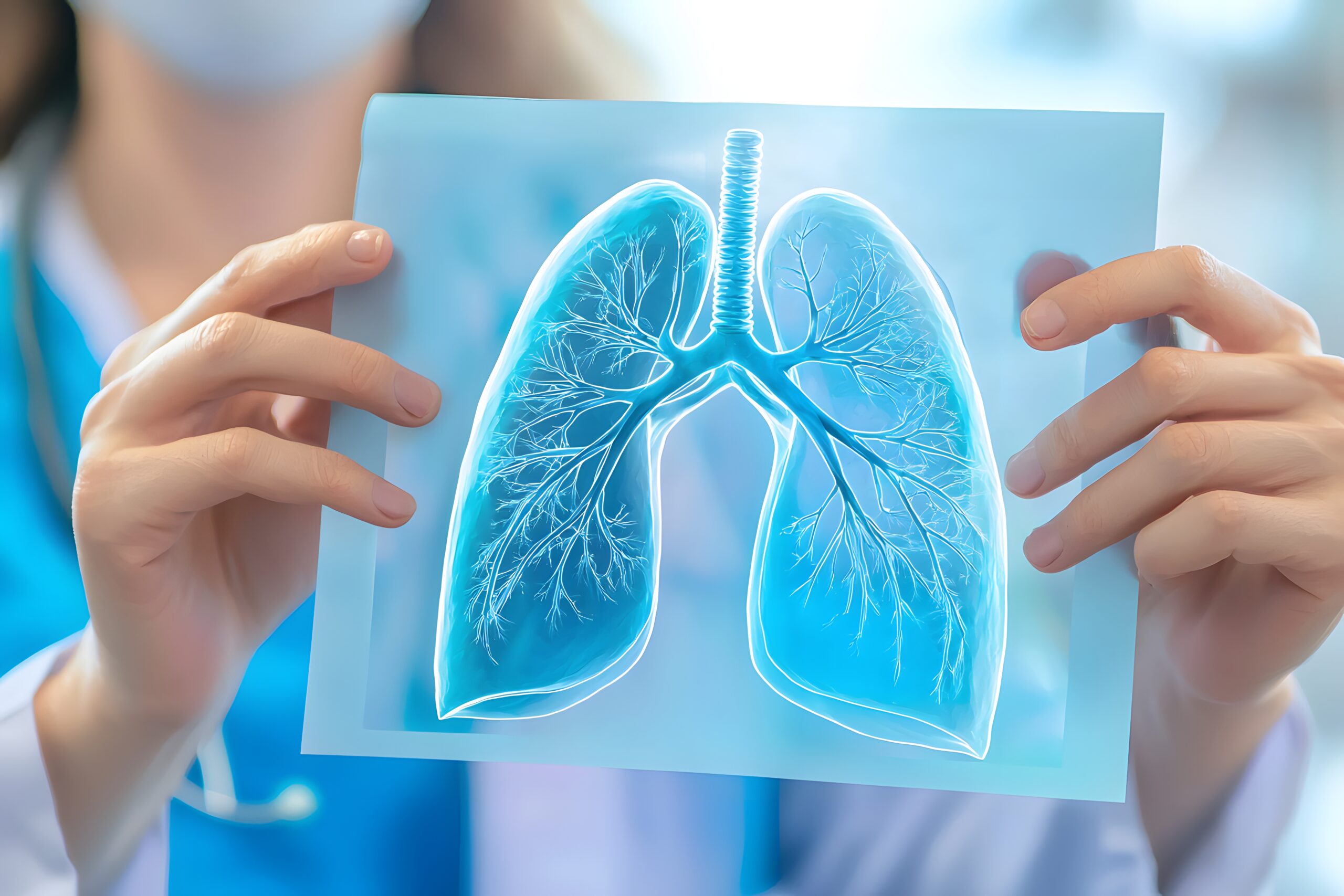
Written by Greg Arnold, DC, CSCS. Researchers recently found that 4000 IU of vitamin D per day was associated with improvements in respiratory health in patients who lacked two immune system proteins called IgG and IgA and/or had an increased susceptibility to respiratory tract infections.
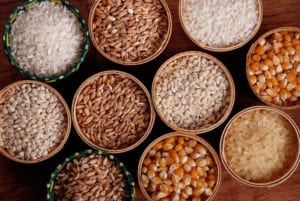
Written by Chrystal Moulton, Staff Writer. Researchers have found that two servings of whole grains per day are associated with a 21% decrease in the risk of developing type 2 diabetes.


