

Written by Alexa Heathorn, MS, CNS. Daily supplementation with 500 mg of Ashwagandha for 40 days significantly reduced triglyceride and VLDL-c levels, with no significant changes in body weight or overall body composition, suggesting a targeted effect on lipid metabolism in adults with overweight and obesity.
 Overweight and obesity are global health concerns largely driven by diet, lifestyle, and metabolic dysfunction.¹ These conditions are especially prevalent in Latin America, with over 70% of adults in Mexico affected.¹ A major contributor to obesity-related risk is dyslipidemia, characterized by elevated total cholesterol and LDL-c, along with reduced HDL-c, which promotes atherosclerosis and increases cardiovascular disease risk.¹ In addition, these conditions are associated with broader cardiometabolic dysfunction, often influenced by behaviors such as poor diet, physical inactivity, and smoking.¹
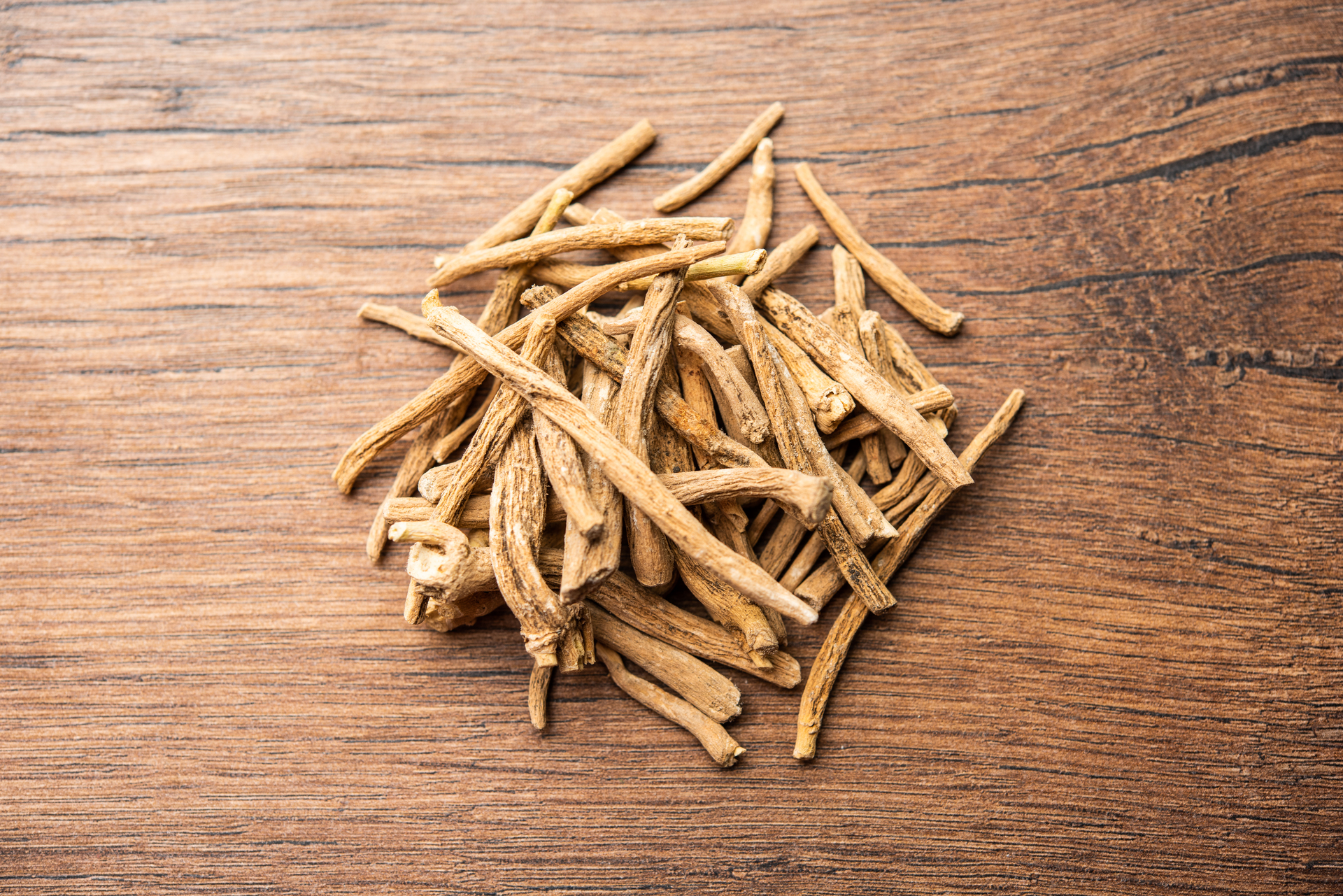
While treatment strategies include medication, diet, and lifestyle modification, there is growing interest in natural supplements as supportive or adjunct therapies.¹ One such compound is Ashwagandha (Withania somnifera), an adaptogenic herb used for thousands of years and known for its anti-inflammatory, antioxidant, and metabolic effects.¹ Its bioactive compounds, including withanolides, have been associated with improvements in stress, metabolic health, and lipid regulation.¹
Although preclinical studies suggest Ashwagandha may improve markers associated with obesity, clinical evidence in humans, particularly its effects on lipid profiles and body composition, remains limited.¹ To address this gap, a randomized controlled trial was conducted to evaluate the impact of Ashwagandha supplementation on serum lipids and anthropometric outcomes in adults with overweight and obesity.¹
This double-blind, placebo-controlled trial included 43 adults with overweight or obesity (BMI ≥25 kg/m²) and markers of dyslipidemia, including elevated LDL-c, total cholesterol, and triglycerides, along with low HDL-c.¹ Participants were randomly assigned to receive either 500 mg of powdered Ashwagandha (standardized to 0.05 mg of total Withanolides/mg extract) or an identical placebo once daily for 40 days (n=17 in the control group and n=21 in the intervention group).¹ Anthropometric and biochemical measurements were collected at baseline and again at the end of the intervention period.
Following 40 days of supplementation, no statistically significant differences were observed in BMI, waist circumference, or overall body composition.¹ Ashwagandha supplementation did produce significant reductions in triglyceride (Δ −31.28 mg/dL; p = 0.0082) and VLDL-c levels (36.29 to 29.63 mg/dL; p = 0.0321).¹ No significant differences were observed in total cholesterol, LDL-c, or HDL-c between groups, although trends toward improved lipid profiles were noted.¹ The LDL-c/HDL-c ratio decreased in both groups, and fasting glucose increased only in the control group.¹
In addition, in silico analysis supported these findings, demonstrating favorable interactions between Ashwagandha bioactive compounds and key proteins involved in lipid metabolism, including AMPK, CETP, and LPL.¹
Several limitations should be considered when interpreting these findings. The sample size was relatively small (43 participants), and the study was conducted exclusively in Mexican adults with overweight and obesity, which may limit generalizability to broader populations.
The intervention period was short (40 days), making it unclear whether the observed improvements in triglycerides and VLDL-c would be sustained over time or translate into meaningful clinical outcomes. Additionally, while participants followed a guided dietary plan, intake was not strictly controlled, which may have influenced the results.
Mechanistic insights were limited to standard blood markers, and although in silico analysis suggested potential metabolic effects, these findings are theoretical. Finally, not all lipid markers improved, indicating the need for larger and longer-term studies to better understand the full impact of Ashwagandha supplementation.
This study suggests that Ashwagandha supplementation may support lipid metabolism in adults with overweight and obesity, particularly through reductions in triglycerides and VLDL-c, markers closely linked to cardiometabolic risk. While no significant changes were observed in body weight or overall body composition, these findings indicate potential metabolic benefits independent of weight loss. Proposed mechanisms include the action of bioactive compounds such as withanolides on key lipid metabolism pathways, including AMPK, CETP, and LPL.¹ Although promising, longer-term studies are needed to determine whether these effects are sustained and translate into meaningful improvements in cardiovascular health.
Click here to read the full text study.
Posted April 16, 2026.
Alexa Heathorn, MS, CNS-c, is a clinical nutritionist specializing in metabolic health, hormonal balance, and gastrointestinal restoration through root-cause functional nutrition. She earned her master’s degree in Nutrition from Bastyr University and is currently a Certified Nutrition Specialist (CNS) candidate. Alexa also works as a research writer and functional health consultant, translating complex science into actionable strategies for practitioners and wellness companies. Learn more at www.bloomedwellness.com.
References:
- Ballesteros-Torres, Juan Manuel, Alejandra Vázquez-Aguilar, Ivan Luzardo-Ocampo, Anayansi Escalante-Aburto, and Cindy Joanna Caballero-Prado. “Impact of ashwagandha (Withania somnifera L.) supplementation on serum lipid concentrations and anthropometric parameters in adults with overweight and obesity: a double-blind, placebo-controlled pilot study.” Nutrition & Metabolism 22, no. 1 (2025): 134.


Comments (0)