


Resveratrol may Benefit Alzheimer’s Patients
Written by Greg Arnold, DC, CSCS. Supplementation with resveratrol for 52 weeks resulted in a significant improvement in A-beta40, a protein marker associated with the progression of dementia.
Written by Greg Arnold, DC, CSCS. Supplementation with resveratrol for 52 weeks resulted in a significant improvement in A-beta40, a protein marker associated with the progression of dementia.
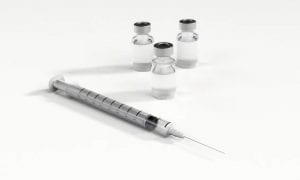
Written by Joyce Smith, BS. This study shows how Gardasil HPV vaccine may potentially cause autoimmune reactions, stroke and even death.

Written by Greg Arnold, DC, CSCS. Of the 244 participating women, those who took the herb Actaea racemose for 3 months, had a 25.3% decrease in uterine fibroid size compared to control.

Written by Jessica Patella, ND. Lavender essential oil, when inhaled for 5 days, significantly increased sleep quality and decreased daytime fatigue, and in addition, helped study participants feel refreshed upon wakening.
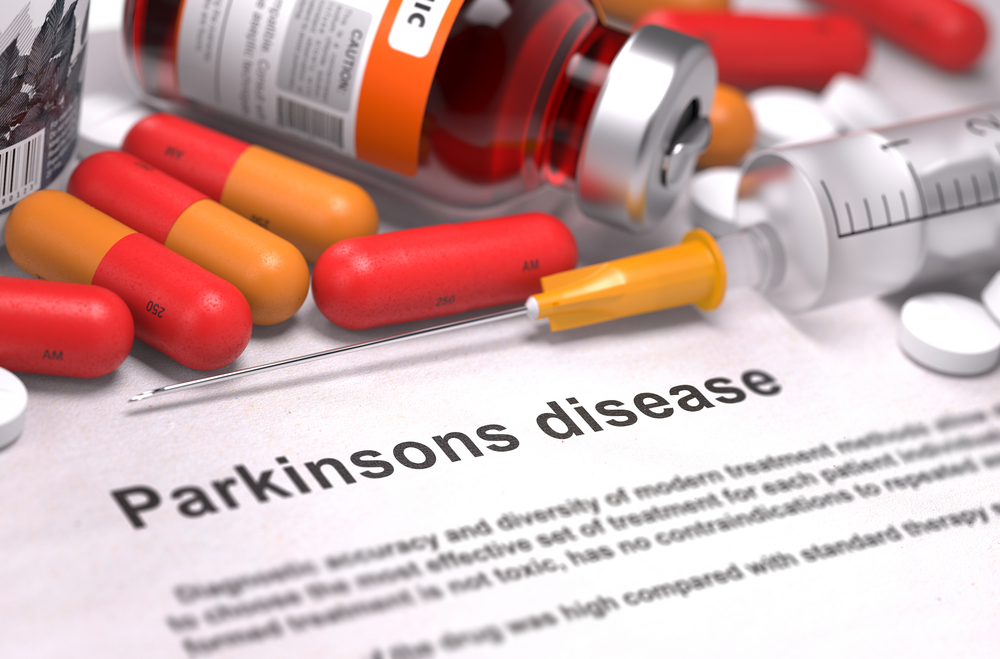
Written by Greg Arnold, DC, CSCS. Those who supplemented with 500 mg of inosine for 24 months saw a significant (63.9%) reduction in test points that measures the progression of Parkinson’s disease, compared to placebo.

Written by Marcia J. Egles, MD. Adult diabetic rats, when fed 0.5 or 1 gram of fenugreek per kilogram of body weight for 30 days, had improved hyperglycemia and significantly improved hyperlipidemia, liver enzymes, body weight and measures of oxidative stress.

Written by Greg Arnold, DC, CSCS. A new study finds that supplementing with MMFS-01, a magnesium-threonic acid compound, significantly improved cognitive impairment in participating subjects compared to control.

Written by Patrick B. Massey, MD, PH.D. Dr. Massey recommends flu vaccine be given to only those individuals at high risk of complications from the flu.
Written by Greg Arnold, DC, CSCS. 204 patients with arthritic hand pain found that arnica topical gel, when applied to painful arthritic hands for 21 days, was as effective as ibuprofen in reducing hand pain and improving joint function.

Written by Greg Arnold, DC, CSCS. Sleeping less than 5 hours per night increases the risk of type 2 diabetes by 34% while just 1-3 more hours of sleep have a 6% risk reduction.


