


How Effective are Re-used Surgical Masks and N95 Respirators?
Written by Joyce Smith, BS. This study tests the effectiveness and safety of hospital disinfection of reused masks and N95 respirators.
Written by Joyce Smith, BS. This study tests the effectiveness and safety of hospital disinfection of reused masks and N95 respirators.
Written by Angeline A. De Leon, Staff Writer. Postmenopausal women who supplemented with black cohosh had significantly improved flow-mediated dilation (FMD) of the brachial artery.
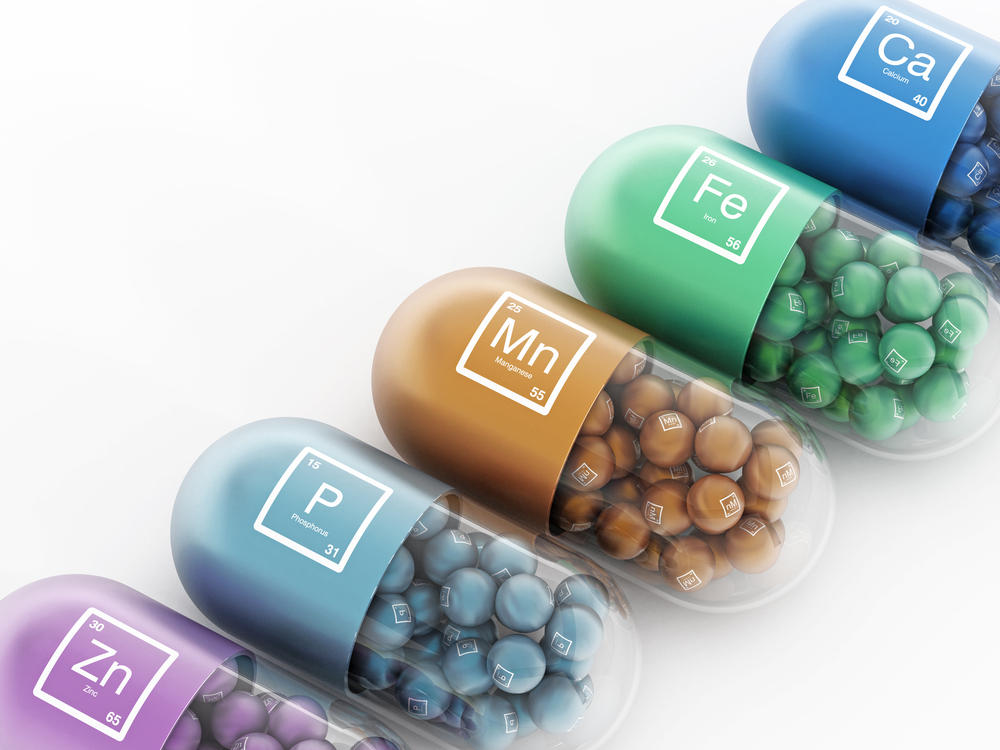
Written by Joyce Smith, BS. Six-week supplementation of a bioavailable formulated curcumin and ferrous sulfate containing 18 mg of elemental iron significantly increased serum BDNF levels in participating subjects.

Written by Joyce Smith, BS. High-intensity dynamic resistance training over a total 18-month period improved bone mineral density (BMD), skeletal muscle mass index (SMI), and muscle strength in elderly men with osteopenia.

Written by Angeline De Leon, Staff Writer. Study finds that in the late second trimester of pregnancy, 1,25-dihydroxyvitamin D (1,25(OH)2D) and the 1,25(OH)2D/ VDBP (vitamin D binding protein) ratio were good predictors of preeclampsia (PE), in women with type 1 diabetes.

Written by Chrystal Moulton, Staff Writer. This study found a significant inverse relationship between coffee and green tea consumption and body mass index (BMI), percent body fat, and cardio ankle vascular index (CAVI) in participating subjects.
Written by Angeline A. De Leon. In young American adults, serum vitamin D levels were inversely associated with measures of depression, anxiety, perceived stress and hostility.
Written by Angeline A. De Leon, Staff Writer. This study suggests that a history of migraines increases the risk of dementia in women, particularly in women who are sixty years of age or older.

Written by Joyce Smith, BS. In a rat model, researchers demonstrated that pyrroloquinoline quinone (PQQ) has the ability to stimulate mitochondrial biogenesis to prevent cardiac damage and promote heart health.

Written by Joyce Smith, BS. Researchers found that the frequency, but not the intensity of laughter weakened the association between stressful events and their subsequent stress symptoms.


