Skip to content
man sprinting

Synergistic Effects of Creatine, Carbohydrates, and Protein on Repeated Sprint Performance

Written by Tabish Mehraj, PhD. In this study, body mass increased significantly in the CR, CRCHO, and CRCPS groups (p<0.05), while CRCHO and CRCPS increased AMP and RMP by 5–10% (p<0.01). All supplementation groups improved APP and RPP (p<0.01), whereas PLA showed declines in AMP during trials 2 and 3. CRCPS produced the highest post-exercise blood lactate concentrations, suggesting combined supplementation may help maintain repeated high-intensity performance.

Read more
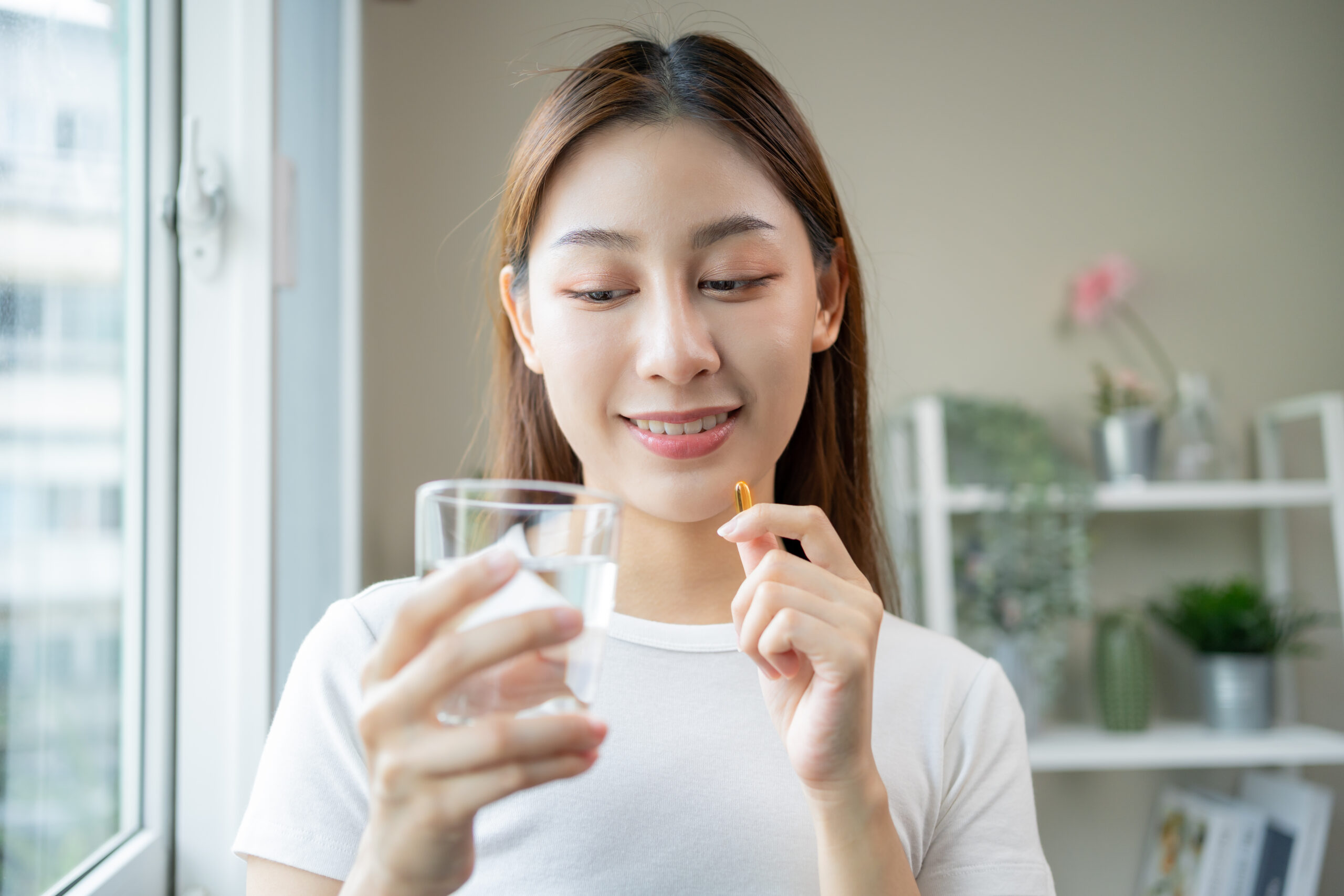
woman hand holding a vitamin

Oral Vitamin D for Toxic Effects of the Skin Associated with Chemotherapy and Radiation

Written by Tabish Mehraj, PhD. Results of this retrospective multicenter study show that 26 out of 30 patients (87%) experiencing chemotherapy-associated skin toxicity or radiation dermatitis reported symptom relief improvement within 10 days of receiving 100,000 IU of oral vitamin D administration.

Read more
elderly couple cooking in the kitchen

Low-Carbohydrate and Low-Fat Diets’ Association with Long-Term Risk of Dementia

Written by Tabish Mehraj, PhD. In this study, during the 9-year follow-up, 506 participants developed dementia. A higher LCD score was associated with lower dementia risk (HR per SD increment: 0.90; 95% CI: 0.82-0.99). Plant-based and healthy LCDs showed stronger inverse associations (0.85, 95% CI, 0.78, 0.94 and 0.82, 95% CI, 0.74, 0.90), while higher animal-based (1.10; 95% CI, 1.00, 1.20) and unhealthy LFDs (1.13; 95% CI, 1.04, 1.24) were linked to higher dementia risk. 

Read more
pouring a cup of tea

Relationship Between Tea Consumption and Circulating Biomarkers with Bone Mineral Changes

Written by Tabish Mehraj, PhD. In this study, participants were observed for whole-body, lumbar spine, and femoral neck BMD and whole-body BMC (P-interaction ranged from < 0.001 to 0.022). Moderate-frequency tea drinkers generally had the highest visit-averaged adjusted marginal mean Z-scores, including 0.107 (95% CI: 0.025, 0.190) for whole-body BMD, 0.090 (0.012, 0.168) for lumbar spine BMD, and 0.108 (0.029, 0.187) for femoral neck BMD (P-diff ranged from < 0.001 to 0.017).

Read more
bowl of ground turmeric

Curcumin Improves Glycemic Control and Inflammation in Adults with Metabolic Syndrome

Written by Alexa Heathorn, MS, CNS. A systematic review of 104 randomized controlled trials found that curcumin supplementation modestly improved glycemic control, inflammation, select lipid markers, and blood pressure, while showing little benefit for body composition, insulin sensitivity, or oxidative stress.

Read more
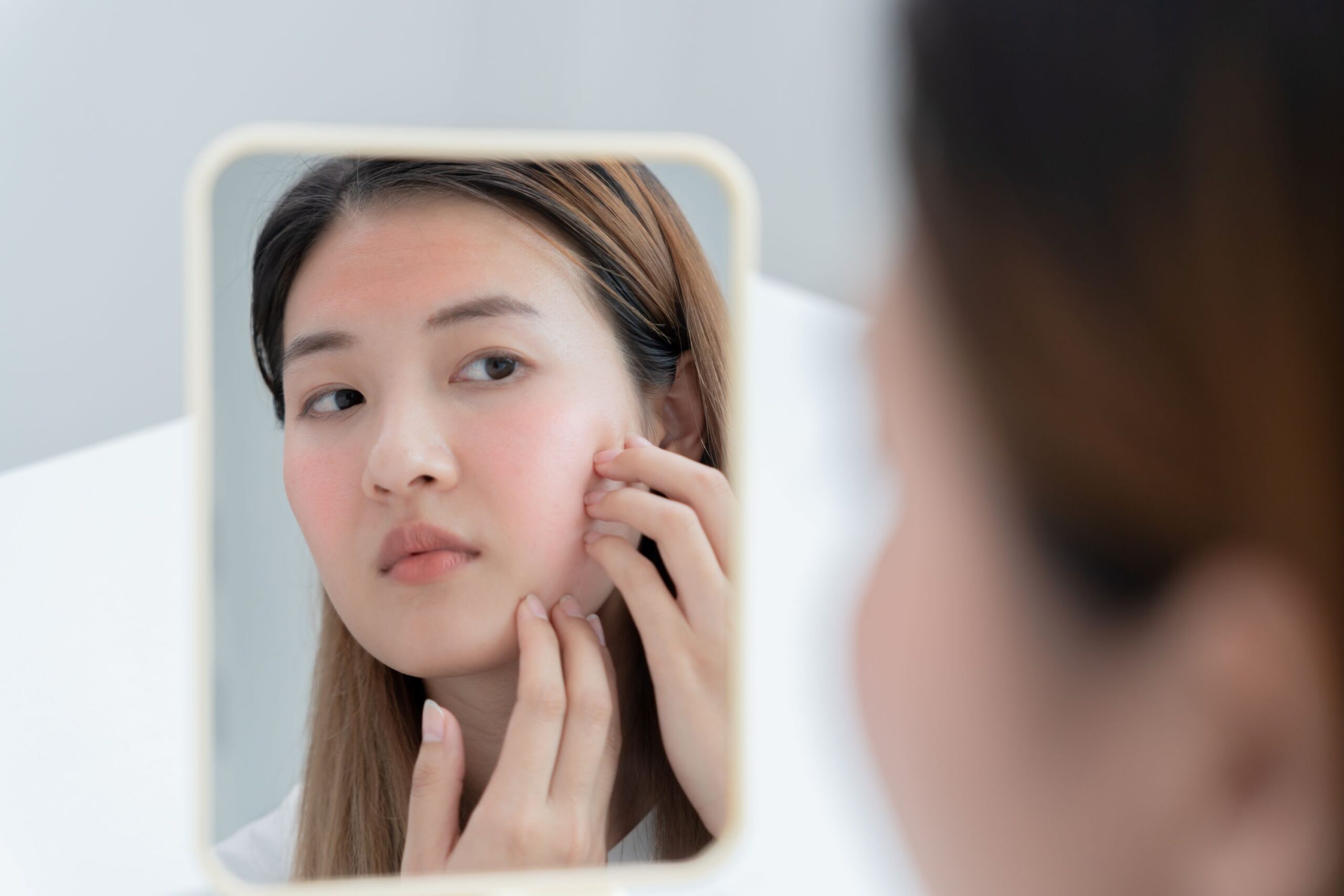
woman looking in mirror at her face

Efficacy, Tolerance, and Safety of a Novel Botanical Anti-Inflammatory Moisturizer in Rosacea

Written by Tabish Mehraj, PhD. In this study, the oat-and-aloe anti-inflammatory moisturizer and the aloe anti-inflammatory moisturizer both demonstrated similar investigator global assessment (IGA) scores at Week 4. By Week 8, both products showed significantly greater reduction in both erythema IGA (50% vs. 22%, p=0.001) and lesion counts (74% vs. 6%, p=0.015). At the conclusion of the 12-week study, the anti-inflammatory moisturizer produced reductions in IGA erythema of 54% vs. 23% (p<0.001) and in inflammatory lesion counts of 74% vs. 17% (p=0.044). No tolerability issues were noted.

Read more
Ginkgo biloba leaf

Ginkgo biloba Extracts for Preventing Posterior Capsule Opacification

Written by Tabish Mehraj, PhD. Findings of this double-blinded, placebo-controlled, single-center randomized trial show that subjects supplementing with 200 mg of oral ginkgo biloba extract (GbE) daily for 6-months post-surgery resulted in 80.6% of eyes remaining free of pearls (P < 0.001) and 68.4% of the GbE group showing no fibrosis (P<0.001) at the 36-month follow-up compared to placebo.

Read more
Back To Top