

Written by Alexa Heathorn, MS, CNS. A systematic review of 104 randomized controlled trials found that curcumin supplementation modestly improved glycemic control, inflammation, select lipid markers, and blood pressure, while showing little benefit for body composition, insulin sensitivity, or oxidative stress.
 Metabolic syndrome is a cluster of cardiometabolic risk factors—including central obesity, insulin resistance, dyslipidemia, and hypertension—that increases the risk of type 2 diabetes, cardiovascular disease, nonalcoholic fatty liver disease, and Alzheimer’s disease.¹˒² Affecting approximately one in four adults worldwide, its prevalence continues to rise alongside high-calorie diets and increasingly sedentary lifestyles.¹
Excess visceral adiposity promotes adipose tissue dysfunction, increasing the production of pro-inflammatory cytokines while reducing the secretion of beneficial adipokines—hormones that help regulate glucose metabolism, promote fatty acid breakdown, and suppress inflammation.¹ Together, these changes impair insulin signaling, increase oxidative stress, alter lipid metabolism, and damage endothelial function, contributing to abnormalities in anthropometric, glycemic, lipid, inflammatory, and oxidative stress markers.¹ As a result, therapies that target these underlying mechanisms may offer a promising approach for managing metabolic syndrome.¹
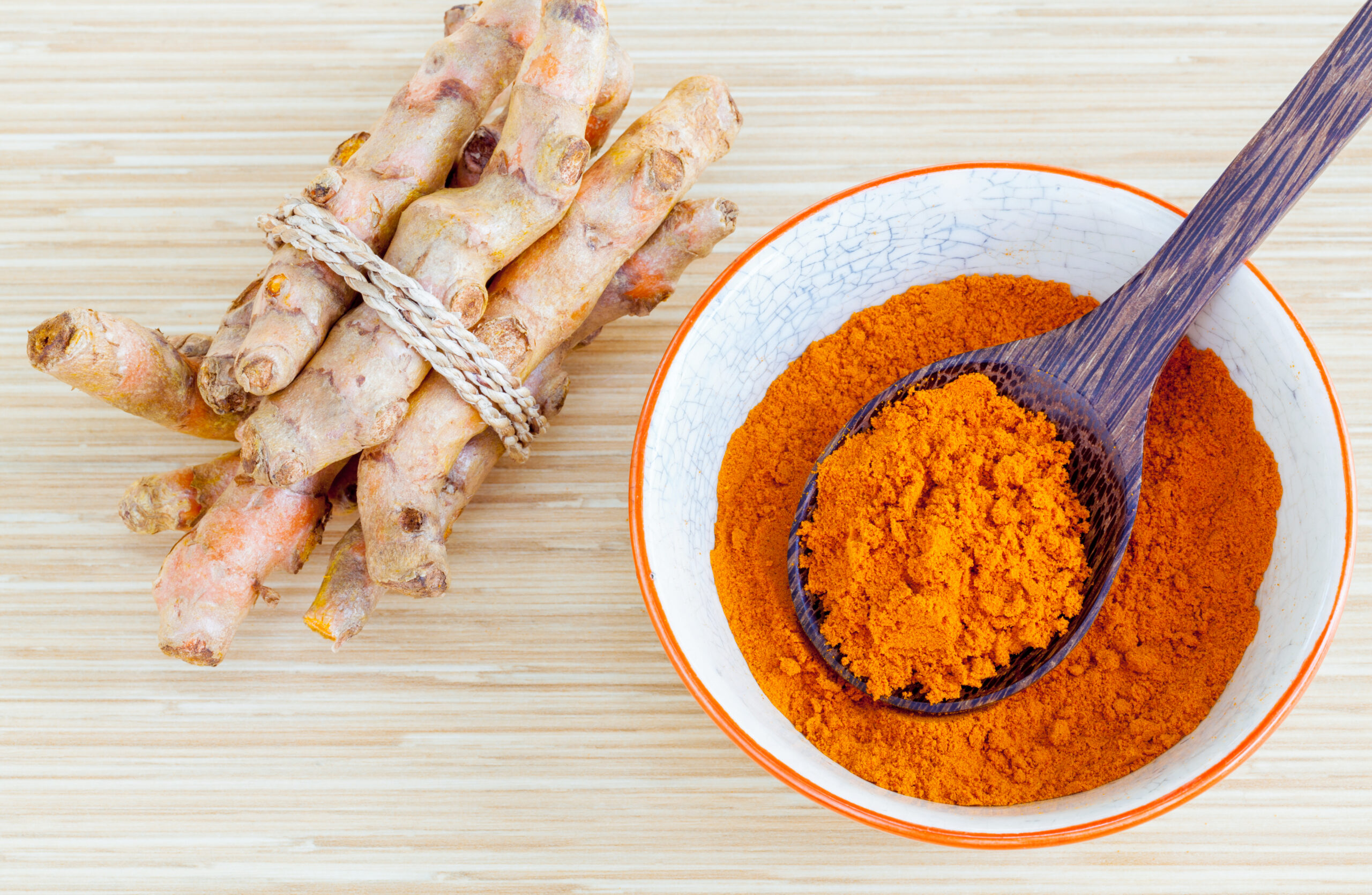
Turmeric (Curcuma longa Linn.) is a medicinal herb with potent antioxidant, anti-inflammatory, and metabolism-regulating properties, largely attributed to its bioactive compounds, curcumin and other curcuminoids.¹ Emerging evidence suggests curcumin may also influence gut health by modulating the gut microbiota, strengthening intestinal barrier function, and altering host-microbiome metabolic communication.¹
Previous randomized controlled trials have evaluated curcumin supplementation in metabolic syndrome and related conditions, with some reporting improvements in fasting glucose, HbA1c, triglycerides, total cholesterol, and inflammatory markers, while others found little or no benefit.¹ Given the high prevalence of metabolic syndrome and the need for safe, cost-effective therapies with fewer adverse effects than conventional pharmacologic treatments, researchers conducted a systematic review and meta-analysis to evaluate the effects of Curcuma longa supplementation on anthropometric, glycemic, lipid, inflammatory, and oxidative stress markers in adults with metabolic syndrome and related conditions.¹
The systematic review included 104 randomized controlled trials evaluating Curcuma longa or curcumin supplementation as either a standalone intervention or an adjunct to standard care in adults with metabolic syndrome or related conditions.¹ Studies published between 2011 and 2024 varied considerably in sample size (<40 to >100 participants), curcumin dose (80–4,000 mg/day), formulation (including powders, juices, pellets, and bioavailability-enhanced nanomicelle preparations), and intervention duration, with most lasting 6–12 weeks.¹
Curcumin supplementation produced its most consistent benefits in glycemic control and inflammation, while effects on body composition, blood pressure, lipids, and oxidative stress were more variable.¹
Curcumin did not consistently improve central obesity, with no clinically meaningful reductions in body mass index or waist circumference.¹ In adults with metabolic syndrome, curcumin produced a small but significant reduction in fasting blood glucose (SMD −0.25; 95% CI −0.48 to −0.03; p < 0.05), and modest improvements in HbA1c and other glucose measures were also observed, particularly in individuals with type 2 diabetes. However, fasting insulin and insulin sensitivity did not consistently improve.¹
Lipid improvements were modest. LDL cholesterol decreased significantly in adults with overweight or obesity (SMD −0.36; 95% CI −0.64 to −0.07; p < 0.05), HDL cholesterol increased in several populations, and triglycerides decreased primarily in participants with nonalcoholic fatty liver disease, although these findings were not consistent across all studies.¹ Systolic blood pressure also decreased modestly in participants with metabolic syndrome (SMD −0.65; 95% CI −1.21 to −0.08; p = 0.05).¹
The strongest findings were observed for inflammation. Curcumin significantly reduced C-reactive protein (CRP) in adults with type 2 diabetes and overweight or obesity (p < 0.05). While TNF-α also decreased in several studies, the results varied considerably between trials.¹ Pooled analyses found no significant improvements in oxidative stress markers, including total antioxidant capacity, malondialdehyde, or glutathione, despite positive findings in several individual studies.¹
Several limitations should be considered when interpreting these findings. The included studies varied widely in participant populations, curcumin formulations, dosages, and intervention durations, making direct comparisons difficult.¹ Most trials were relatively small and lasted only 6–12 weeks, limiting conclusions about the long-term efficacy and safety of curcumin supplementation.¹ Additionally, nearly two-thirds of the included studies were conducted in Iran, which may limit the generalizability of the findings to more diverse populations.¹
This systematic review suggests that curcumin may be a beneficial adjunct to standard care for individuals with metabolic syndrome and related conditions. The strongest evidence supports improvements in inflammation and glycemic control, while modest benefits were also observed for select lipid markers and blood pressure. However, curcumin did not consistently improve body weight, central obesity, insulin sensitivity, or oxidative stress markers. Overall, these findings support the use of bioavailability-enhanced curcumin formulations as a complementary strategy for metabolic health, while highlighting the need for larger, long-term clinical trials to establish optimal dosing, durability of benefits, and long-term safety.¹
Click here to read the full text study.
Posted August 24, 2026.
Alexa Heathorn, MS, CNS-c, is a clinical nutritionist specializing in metabolic health, hormonal balance, and gastrointestinal restoration through root-cause functional nutrition. She earned her master’s degree in Nutrition from Bastyr University and is currently a Certified Nutrition Specialist (CNS) candidate. Alexa also works as a research writer and functional health consultant, translating complex science into actionable strategies for practitioners and wellness companies. Learn more at www.bloomedwellness.com.
References:
- Kehinde SA, Qaisrani ZN, Pattanayaiying R, et al. Clinical Potential of Curcuma longa Linn. as Nutraceutical/Dietary Supplement for Metabolic Syndrome: Systematic Review and Meta-Analysis of Randomized Controlled Trials. Foods. 2025;15(1):60. Published 2025 Dec 24. doi:10.3390/foods15010060
- Haydar M. Al-kuraishy, Majid S. Jabir, Ali K. Albuhadily, Ali I. Al-Gareeb, Mayyadah F. Rafeeq, The link between metabolic syndrome and Alzheimer disease: A mutual relationship and long rigorous investigation, Ageing Research Reviews, Volume 91, 2023, 102084, ISSN 1568-1637


Comments (0)