

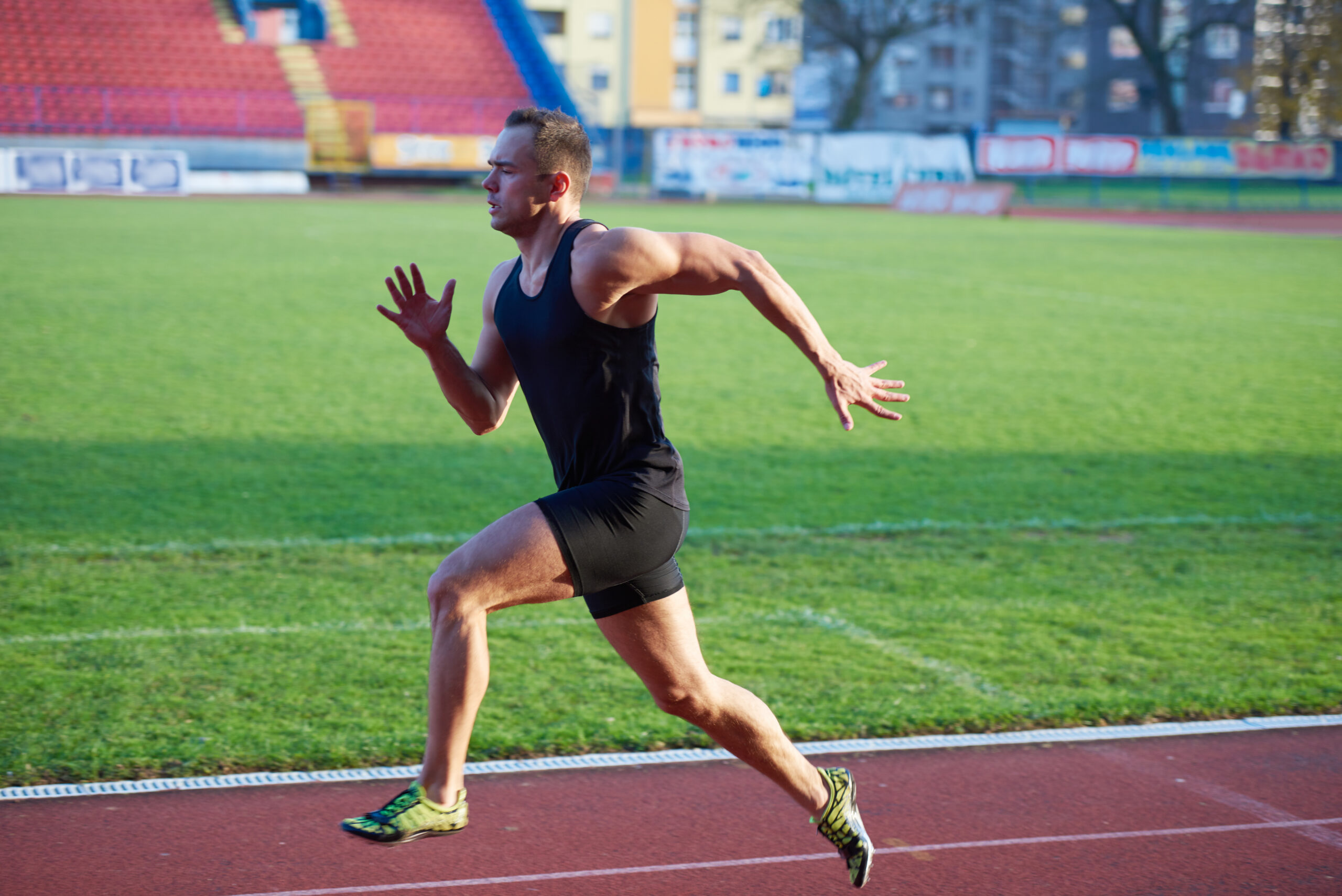
Written by Tabish Mehraj, PhD. In this study, body mass increased significantly in the CR, CRCHO, and CRCPS groups (p<0.05), while CRCHO and CRCPS increased AMP and RMP by 5–10% (p<0.01). All supplementation groups improved APP and RPP (p<0.01), whereas PLA showed declines in AMP during trials 2 and 3. CRCPS produced the highest post-exercise blood lactate concentrations, suggesting combined supplementation may help maintain repeated high-intensity performance.
 Creatine monohydrate is generally used to support strength and high-intensity exercise performance. During repeated short-duration, maximal-effort exercise, rapid depletion of muscle phosphocreatine stores can contribute to declining power output and fatigue. Carbohydrates may enhance creatine uptake and provide substrate for glycolytic energy production during high intensity exercise energy source, while protein may stimulate insulin release and potentially improve creatine retention. However, whether combining creatine, carbohydrates, and protein provides additional benefit during repeated anaerobic exercise remains uncertain.
The study included 60 healthy, physically active male university students with an average age of 21 years. Participants were randomly assigned to one of four groups: creatine alone (CR), creatine plus carbohydrates (CRCHO), creatine plus carbohydrates and protein (CRCPS), or placebo (PLA). Participants completed three consecutive 30-second Wingate tests, separated by six-minute recovery periods, before supplementation and post testing occurred two days . Researchers measured absolute and relative mean power, absolute and relative peak power, and blood lactate concentrations.
Results/Key Findings
- CRCHO and CRCPS increased absolute and relative mean power by 5–10% (p<0.01), while CR also improved absolute mean power across all three trials.
- PLA showed decreased mean power during trials 2 and 3 (p<0.01), whereas all supplementation groups improved absolute and relative peak power (p<0.01).
- Body mass increased significantly in the CR, CRCHO, and CRCPS groups (p<0.05), with CRCPS producing the highest post-exercise blood lactate levels.
- No significant difference was found between CRCHO and CRCPS, indicating that adding protein did not provide an additional performance benefit.
Strengths of the study include its randomized, double-blind, placebo-controlled design, which reduces the likelihood that expectations or group assignment influenced the results. The inclusion of four groups allowed researchers to compare creatine alone with two different combination strategies and a placebo. The repeated Wingate protocol also provided a standardized way to evaluate performance during consecutive maximal-effort bouts. Researchers measured both mean and peak power and expressed outcomes in absolute and relative terms. In addition, the carbohydrate and carbohydrate-plus-protein formulations were designed to be isoenergetic, helping the investigators examine the potential contribution of protein rather than simply comparing different energy intakes.
Several limitations reduce the generalizability of the findings. The study included only 60 young, physically active men, so the results may not generalize to women, older adults, sedentary individuals, or athletes from other sports backgrounds. The supplementation period lasted only four days, meaning the study examined short-term effects rather than long-term adaptations. The study also focused specifically on repeated Wingate cycling performance, which may not directly translate to other forms of exercise or real-world athletic performance. Furthermore, the researchers did not calculate a fatigue index, although they explained that mean power was considered a more robust measure for their protocol.
Overall, the study suggests that short-term creatine supplementation, particularly when combined with carbohydrates, may help support mean and peak power during repeated high-intensity exercise. Adding protein to creatine and carbohydrates did not produce a measurable additional improvement in mean power compared with the carbohydrate combination alone. Longer-term studies involving women, older adults, different athletic populations, and varied exercise protocols are needed to determine whether these findings translate into broader performance benefits and whether any additional benefit from protein emerges with longer supplementation periods.
Click here to read the full text study.
Posted September 9, 2026.
Dr. Tabish Mehraj is a pharmaceutical scientist with expertise in pharmaceutics, drug delivery, and formulation development. She earned her PhD in Pharmaceutical Sciences from the University of Mississippi, where her research focused on the formulation, optimization, and characterization of lipid-based nanocarriers for targeted liver delivery of antimalarial therapeutics. Dr. Mehraj has also served as an ORISE Fellow at the U.S. Food and Drug Administration (FDA), where she evaluated the effects of formulation and process design on the quality and performance of intravaginal drug delivery systems and developed bio-relevant in vitro drug release testing methods. She has teaching experience in pharmaceutical and life sciences courses and has authored peer-reviewed publications, book chapters, and conference presentations. Dr. Mehraj is an active member of the American Association of Pharmaceutical Scientists and has been recognized by honor societies including Rho Chi and Gamma Beta Phi.
Reference:
- Wang, Y., Wei, H., Cheng, X., & Chen, Z. (2026). Synergistic effects of creatine, carbs, protein on repeated sprint performance. Scientific Reports.


Comments (0)