

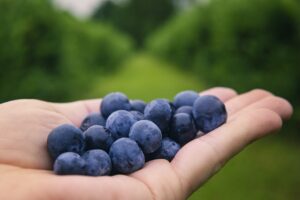
Blueberries May Help Liver Health
Written by Greg Arnold, DC, CSCS. In a study with 45 rats, those with the highest berry intake had 37% less liver damage.
Written by Greg Arnold, DC, CSCS. In a study with 45 rats, those with the highest berry intake had 37% less liver damage.
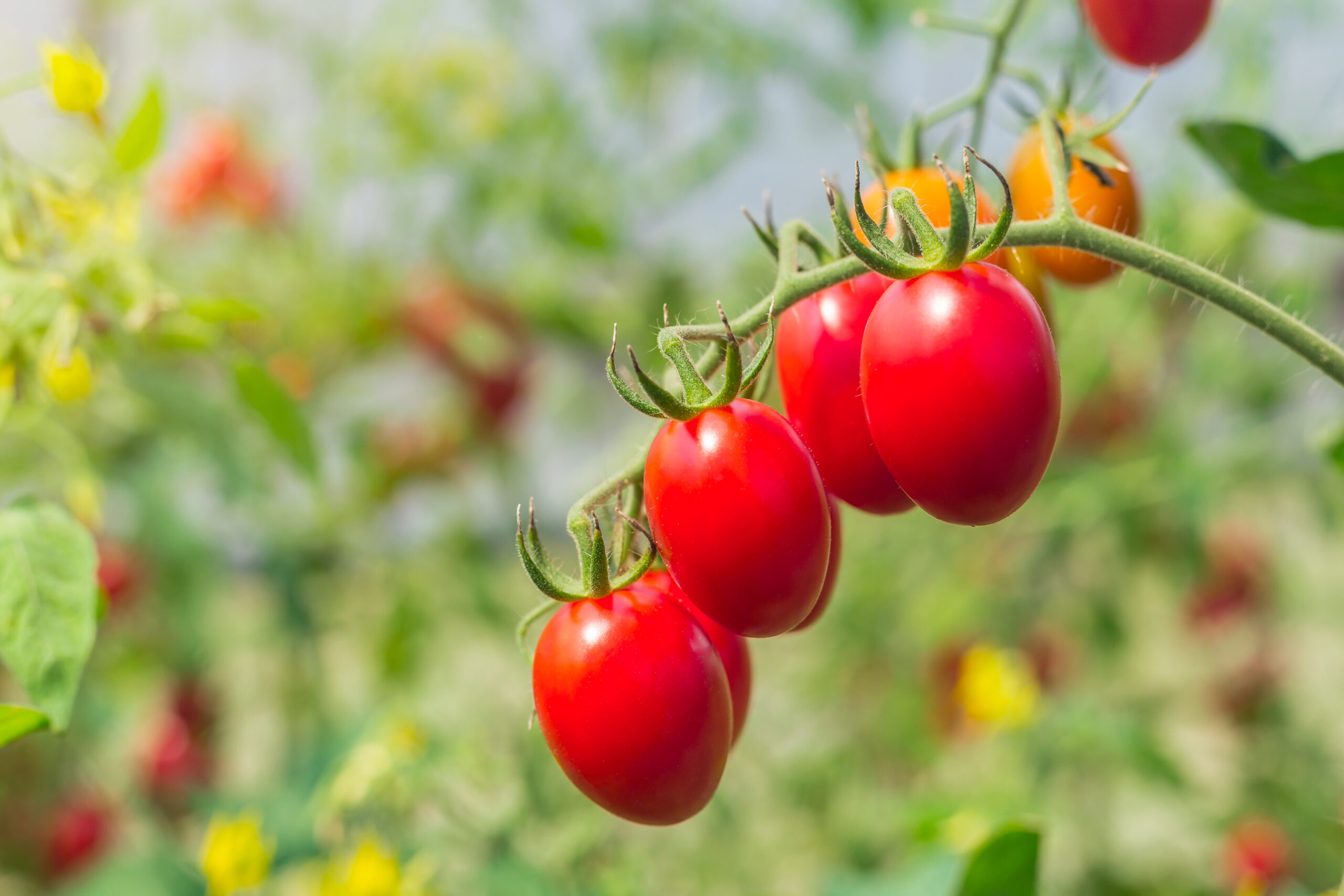
Written by Greg Arnold, DC, CSCS. This study of 60 menopausal women, who supplemented with dietary lycopene for 4 months, significantly decreased lipid oxidation and bone resorption by 11.5% and 15% respectively.
Written by Jessica Patella, ND. Of 247 study participants, those 84 who received Vitamin E demonstrated a 43% statistically significant rate of improvement in non-alcoholic liver disease compared to a 19% rate of improvement in the placebo group.
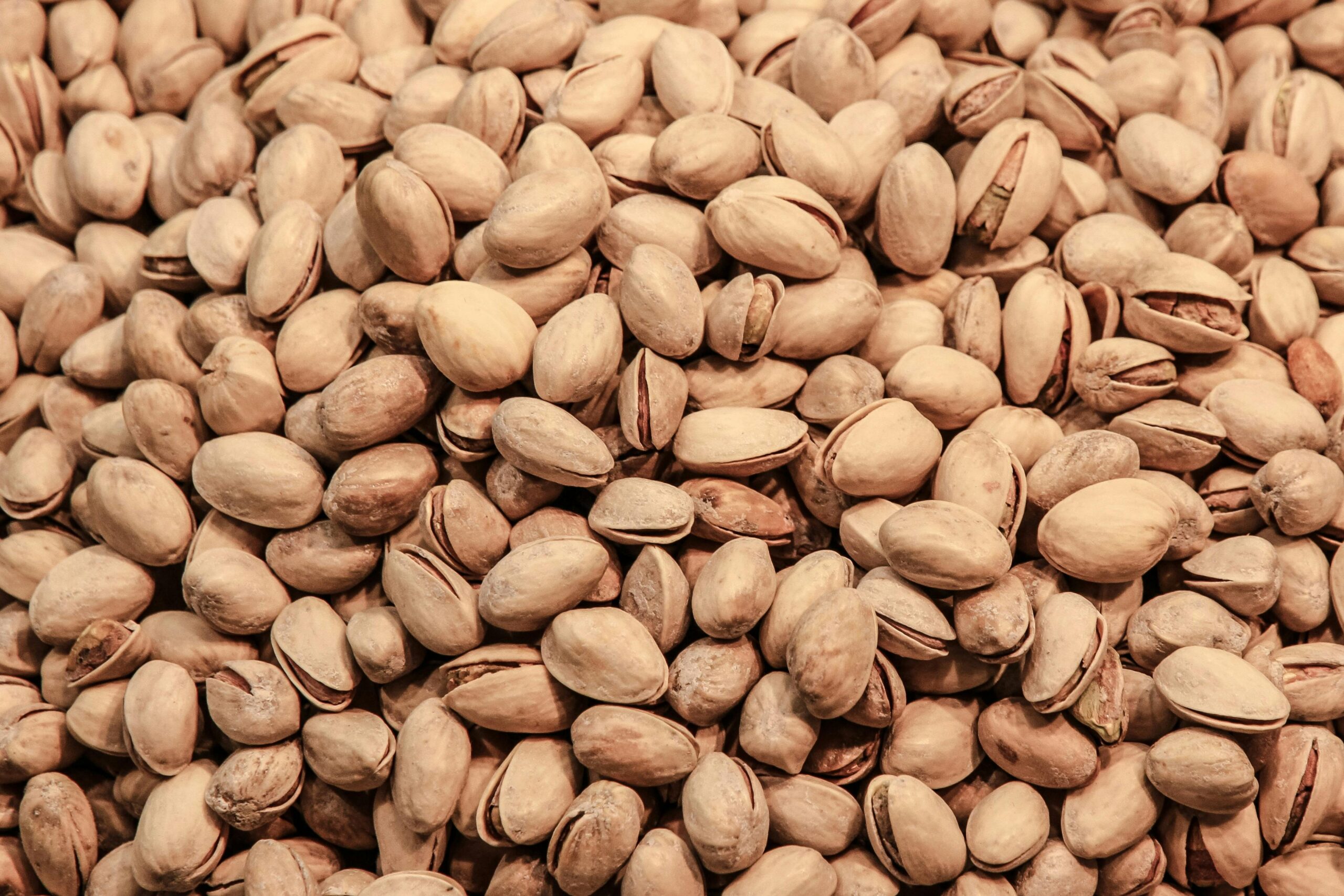
Written by Dr. Patrick Massey, MD, PhD. Pistachios may help protect against heart disease and stroke because they reduce serum low density lipoprotein(LDL) or “bad” cholesterol.

Written by Jessica Patella, ND. In a study of 448,000 white pregnant women in the South of England, 90% had vitamin D levels below the recommended levels and 28% were seriously deficient.

Written by Greg Arnold, DC, CSCS. Zinc treatment, along with 3 months of zinc supplementation in children ages 6 to 24 months, significantly increased immunity during the first 2 weeks of infection. Bacteria were also eliminated at a 163% higher rate in the treated children than in those that were not treated.

Written by Susan S Johnson, PhD, Biochem. Fish oil supplementation showed 32% reduction in incidence of breast cancer.

Written by Greg Arnold, DC, CSCS. Supplementation with vitamin E and omega-3 fats seem to show significant benefit in addition to traditional speech and occupational therapy for those children who have speech difficulties.

Written by Marcia J. Egles, MD. Omega-3 fatty acids may be beneficial if administered at the onset of Alzheimer’s disease symptoms.

Written by Greg Arnold, DC, CSCS. Of the 39 study patients, those who took 100 mg of pycnogenol twice daily for 5-8 weeks prior to allergy season had a 35% decrease in eye symptoms and a 20.5% decrease in nasal symptoms compared to placebo.


