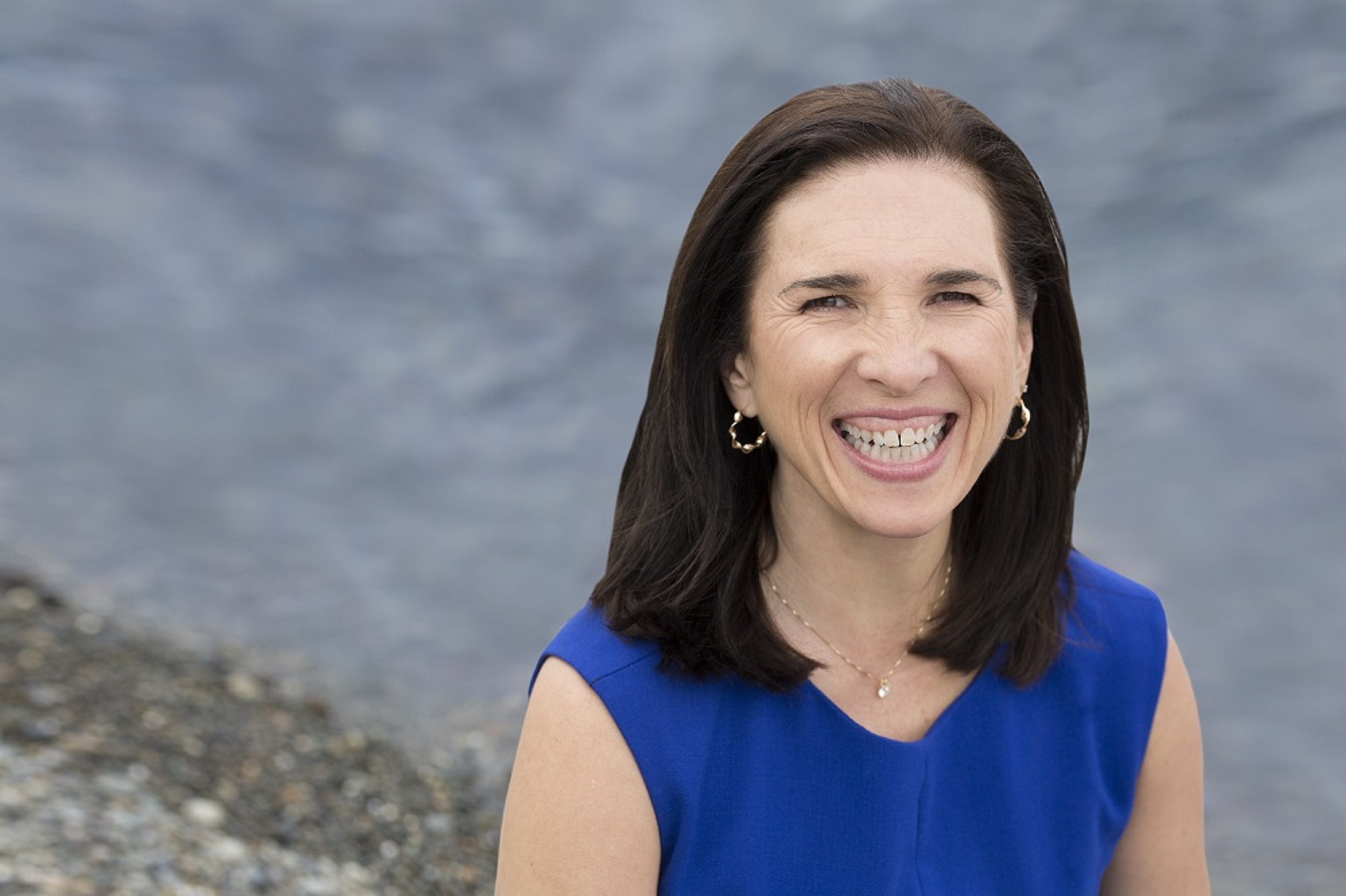
Dr. Susan Kleiner is a globally recognized trailblazer in the nutrition and human performance industry, and her expertise and groundbreaking research have earned her a stellar reputation as a visionary leader in industry. She is the founder and owner of the internationally recognized consulting firm, High Performance Nutrition, LLC, and Dr. Kleiner is co-host of the “Your Food Matters Podcast”. With one foot in the academic world and one in the business world, she authored the best-selling legacy book Power Eating® now published in its fifth edition as The New Power Eating. Dr. Kleiner is also the author of The Good Mood Diet, many other popular books, numerous academic chapters, and peer-reviewed scientific journal articles, as well as featured columns in all forms of media. She has consulted with professional athletes and teams, Olympians and elite athletes in countless sports, including the WNBA Champion Seattle Storm, the OL Reign FC, the Seattle Seahawks, the Seattle Supersonics, the Seattle Thunderbirds, the Miami Heat, the Cleveland Cavaliers and the Cleveland Browns.