

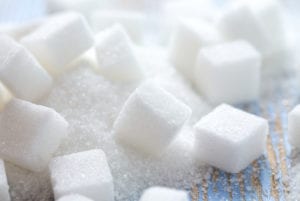
Added Sugar Consumption Associated with an Increased Risk of CVD
Written by Chrystal Moulton, Science Writer. A significant risk of ischemic stroke was observed among participants whose sugar intake was >15-20% of energy intake (HR = 1.09, P<0.01).
Written by Chrystal Moulton, Science Writer. A significant risk of ischemic stroke was observed among participants whose sugar intake was >15-20% of energy intake (HR = 1.09, P<0.01).
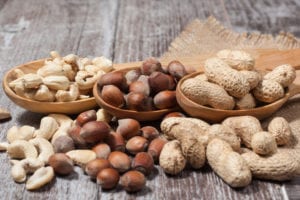
Written by Chrystal Moulton, Science Writer. A lower intake of nuts and seeds were associated with an increased risk of abdominal aortic calcification even after controlling for all confounding factors (P<0.05).

Written by Chrystal Moulton, Science Writer. Results from this trial suggests that ashwagandha extract standardized to 35% withanolide glycosides at 60mg and 120mg significantly improved markers of stress in non-depressed high stress patients diagnosed with generalized anxiety disorder with no significant difference between both treatment doses.

Written by Chrystal Moulton, Science Writer. Statistical analysis showed a significantly higher prevalence of metabolic syndrome in participants that consumed less than 2 servings of vegetables a day.

Written by Harold Oster, MD. Results suggest that supplementation with Ashwagandha root extract in adults is associated with improved cognition, energy, and mood.

Written by Chrystal Moulton, Science Writer. NIHSS scores improved in the high dose treatment group at week 1 (P < 0.05).

Written by Chrystal Moulton, Science Writer. Researchers observed as significant decrease in PGE2, IL-1beta, MMP-8, and MMP-9 at week 8 compared to baseline across both data sets (P<0.0001).

Written by Harold Oster, MD. Results suggest that there is an inverse association between plasma polyunsaturated fatty acid levels and depression and anxiety in adults.

Written by Chrystal Moulton, Science Writer. Researchers found that albumin and vitamin D significantly mediated the link between selenium intake and cognition (P < 0.01).
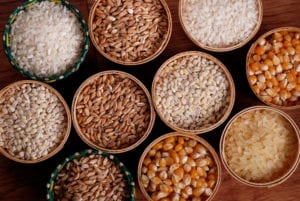
Written by Chrystal Moulton, Science Writer. Analysis showed the participants assigned Hordeum vulgare L powder had significantly lower postprandial blood glucose.


