

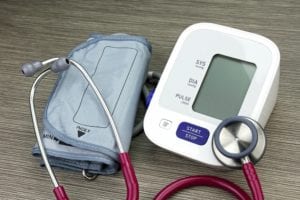
Optimal Dose Range of EPA/DHA to Improve Blood Pressure
Written by Chrystal Moulton, Staff Writer. Most significant changes in systolic and diastolic blood pressure were observed between 2-3g/d dosage of EPA plus DHA.
Written by Chrystal Moulton, Staff Writer. Most significant changes in systolic and diastolic blood pressure were observed between 2-3g/d dosage of EPA plus DHA.

Written by Taylor Woosley, Staff Writer. 10-day consumption of amla (either 2 g of the sachet powder or 100 cc amla tea/day) given to subjects recently diagnosed with COVID-19 resulted in a significant increase in SpO2 levels compared to the control arm (P < 0.001), along with a reduction in the mean percentage of lung involvement on CT (P < 0.001) and an improvement in CRP test results (P < 0.001).
Written by Taylor Woosley, Staff Writer. Results of the study show a significant correlation between 400 mg moringa supplementation and changes in HbA1c levels and the basal TNF-α value (r=0.361; p=0.050; r=0.375; p=0.045).
Written by Taylor Woosley, Staff Writer. Examining vitamin D serum levels and prevalence of insulin resistance using data from the 2011-2018 National Health and Nutrition Examination Survey show that those in the lowest serum vitamin D level group had 54% greater odds of being insulin-resistant compared to those in higher serum vitamin D level groups.
Written by Chrystal Moulton, Staff Writer. Fiber intake was associated with low ARG, specifically low abundance of aph3-dprime (aminoglycoside-O-phosphotransferases) and genes associated with multimetal resistance.
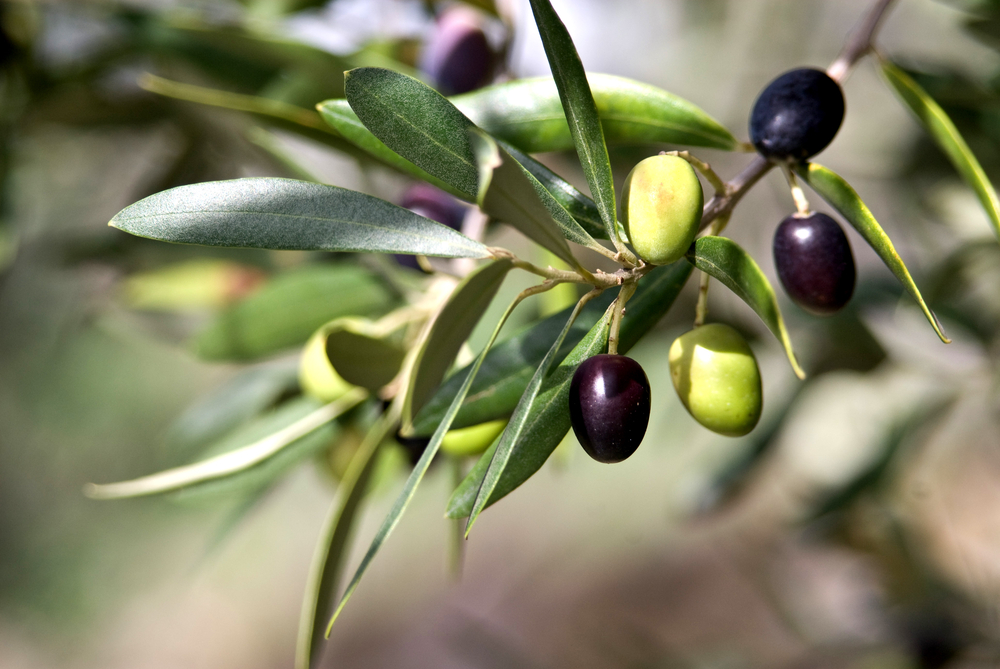
Written by Jessica Patella, ND. The study concluded that 2% olive leaf extract cream was an effective option for herpes simplex virus (HSV).
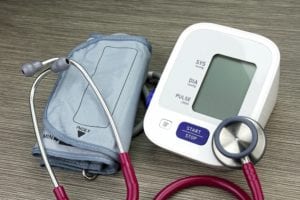
Written by Chrystal Moulton, Staff Writer. Deficient levels of serum 25(OH)D (<12ng/mL) is associated with increased risk of all-cause, cancer, and cardiovascular mortality in Korean adults.

Written by Taylor Woosley, Staff Writer. Study findings using data from the NHANES III Survey (1988-1994) show that serum lutein+zeaxanthin was associated with a reduced risk of all-cause dementia, with an inverse relationship being noted between serum β-cryptoxanthin and all-cause dementia.
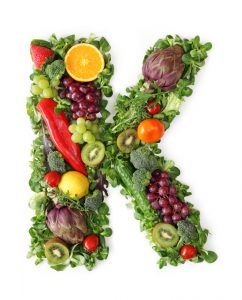
Written by Taylor Woosley, Staff Writer. Results of the MAP longitudinal study show that higher brain MK4 concentrations in all four brain regions resulted in a 17% to 20% lower chance of dementia or mild cognitive impairment occurrence (ORs 0.80 to 0.83, all P-values < .014).

Written by Taylor Woosley, Staff Writer. 2-month supplementation of both 400 mg/day and 800 mg/day of ALA significantly reduced pain management amongst subjects, with both groups experiencing changes in pain scores, decreasing from moderate to mild pain.


