Effects of Flavonoids in the Human Body
Written by Marcia J. Egles, MD. Significant changes in markers of vascular activity were found with two of the flavonoids, quercetin and (-)-epicatechin.
Written by Marcia J. Egles, MD. Significant changes in markers of vascular activity were found with two of the flavonoids, quercetin and (-)-epicatechin.

Written by Marcia J. Egles, MD. A 17 year followup of the Framington Osteoporosis Study showed that out of 976 participants, those with the highest vitamin C intake had a significant 44% lower hip fracture rate compared to those with the lowest vitamin C intake.

Written by Marcia J. Egles, MD. Consuming more omega- 3 fatty acids could help prevent age-related macular degeneration.

Written by Marcia J. Egles, MD. A clinical trial has reported a benefit of lutein supplementation to the established vitamin A treatment of retinitis pigmentosa.

Written by Jessica Patella, ND. Daily supplementation with 1200 IU of vitamin D3 in school aged children, during the winter months, showed a significant preventive effect against influenza A, although no significant difference was observed for influenza B.
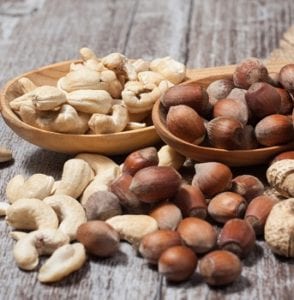
Written by Jessica Patella, ND. A study of 50 adults with metabolic syndrome showed that the group who consumed 30 g of nuts daily over a 12 week period had a significant reduction in DNA damage compared to the control group.

Written by Greg Arnold, DC, CSCS. Study results suggest zinc supplementation may be effective in reducing anger and depression.

Written by Greg Arnold, DC, CSCS. This article summarizes the benefits of olive oil and the Mediterranean Diet.

Written by Greg Arnold, DC, CSCS. This 14-year followup of a Japanese study of 23,119 men and 35,611 women found that those men with the highest folic acid intake had a 50% decreased risk of heart failure, while those women with the highest folic acid intake had a 37% reduced risk of stroke, a 43% reduced risk of heart disease, and a 17% reduced risk of overall cardiovascular disease.