

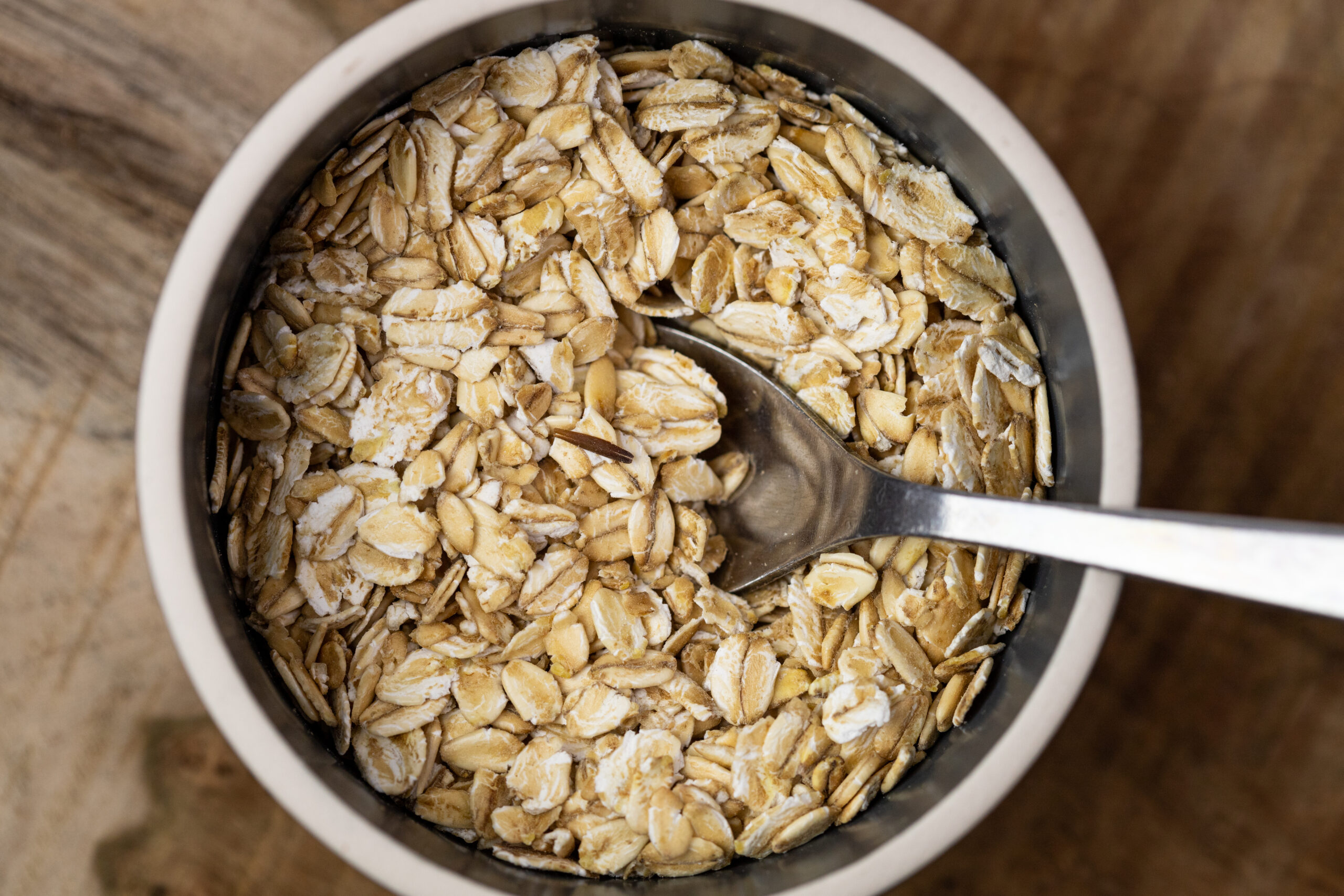
Oatmeal Proves Superior to Ready-to-Eat Cereal in Satisfying Hunger
Written by Greg Arnold, DC, CSCS. In a study with 48 healthy adults, consuming oatmeal caused a 62.5 % decreased desire to eat after 4 hours.
Written by Greg Arnold, DC, CSCS. In a study with 48 healthy adults, consuming oatmeal caused a 62.5 % decreased desire to eat after 4 hours.

By Neil E. Levin, CCN, DANLA. The link below offers a report from researchers at the Linus Pauling Institute of Oregon State University who disclose the many flawed large clinical trials that undermine the nutrient value of supplements.

Written by Greg Arnold DC, CSCS. In a study of 265 postmenopausal women, the group which did not take a vitamin D supplement had 12 times the loss in bone mineral density compared to the group that took 1000 IU a day.

Written by Greg Arnold, DC, CSCS. Study explains the risk of vitamin B-12 depletion due to prescribed antacid medications, specifically proton-pump inhibitors.
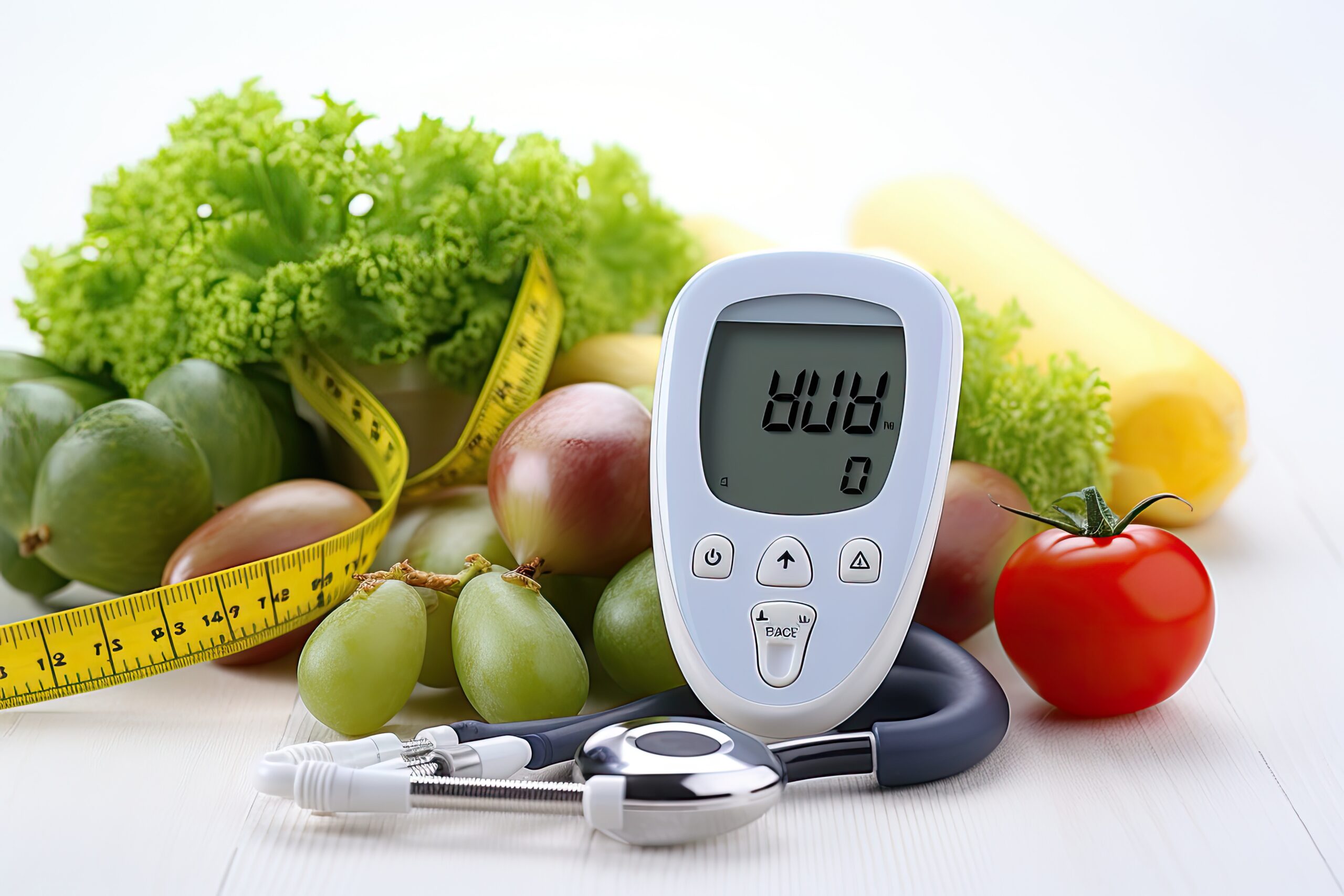
Written by Greg Arnold, DC, CSCS. This meta-analysis shows that supplementation with soluble fiber ranging from 3.5 to 15 grams per day significantly reduces fasting blood sugar by 9.97 mg/dl in patients with type 2 diabetes.

Written by Dr. Patrick Massey, MD, PhD. Almost 75% of chronic illnesses can be improved or cured with four lifestyle changes: reduce exposure to tobacco smoke, better nutrition, exercise, and reduce stress.

Written by Chrystal Moulton, Staff Writer. In this cell and animal study, researchers showed that high salt intake encouraged the production of defective cells of the immune system and increased the risk of developing multiple sclerosis.

Written by Jessica Patella, ND. Fasting glucose, insulin levels, and insulin resistance showed substantial improvement when given 50,000 IU vitamin D daily.

Written by Greg Arnold, DC, CSCS. This study shows the significant improvement in bone mineral density after a year of calcium and vitamin D supplementation in patients using drugs to treat epilepsy.
Written by Jessica Patella, ND. This large, 30-year study of nurses determined that those who consumed two or more servings of nuts per week had a significantly lower incidence of pancreatic cancer than those who almost never ate nuts.


