Skip to content
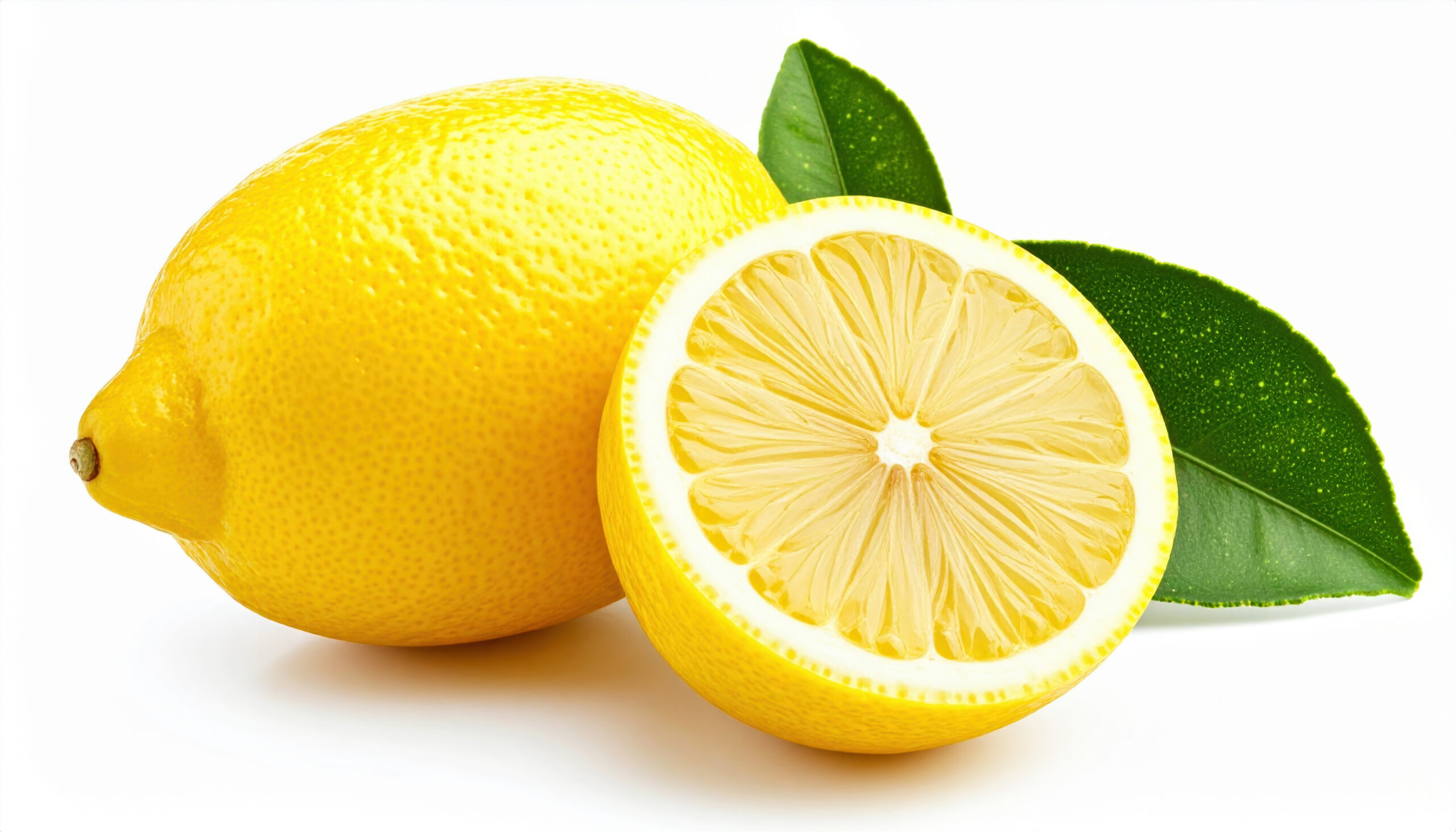
Fresh lemon with vibrant yellow color, sliced to reveal juicy interior and seeds, accompanied by green leaves

Impact of a Food Supplement on Glucose and Lipid Metabolism

Written by Tabish Mehraj, PhD, Science Writer. This study evaluated the tolerability and efficacy of a food supplement containing citrus lemon extracts in individuals with impaired fasting glycemia (IFG). The treatment group showed significant improvements in fasting-state glycemia after 3 months, with normalization of glucose levels (p<0.001 vs T0), unlike the placebo group. Improvements were also observed in the overall lipid profile. 
Read more
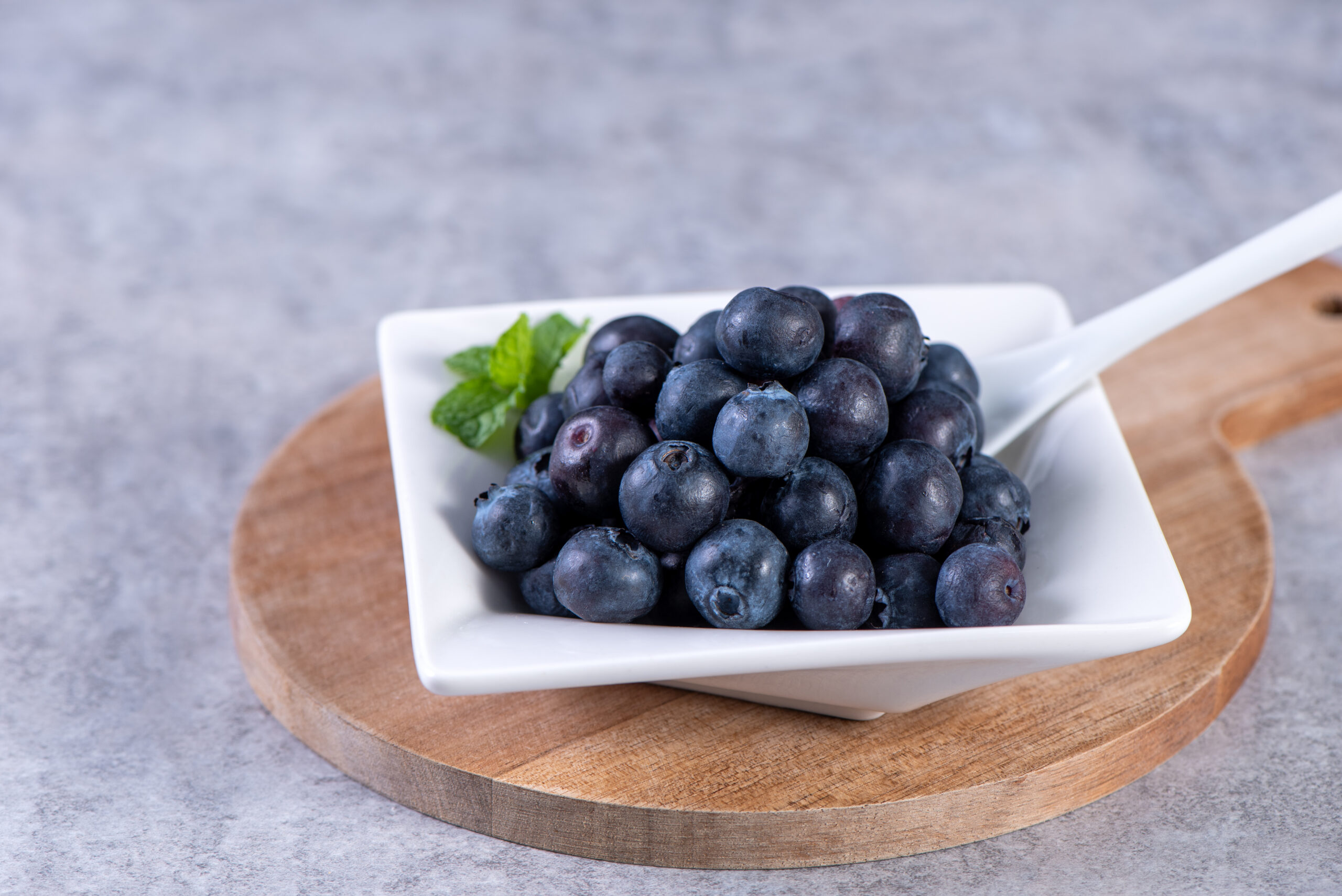
Pile of blueberry fruit in a bowl plate on a tray over gray cement concrete background, close up, healthy eating design concept.

Blueberries and Your Gut: How a Daily Berry Habit Reshapes Your Microbiome

Written by Tabish Mehraj, PhD, Science Writer. This study evaluated the effects of blueberry consumption, which may upregulate the ability of the geriatric human gut to use dietary polyphenols by changing the fecal microbiome. It led to the reductions in HDL and APoA-I. These findings suggest that blueberries target specific beneficial gut bacteria, offering unique advantages when combined with exercise, but their overall metabolic impact warrants further investigation.

Read more
Happy Senior Couple Shopping for Fresh Vegetables

Urolithin A Improves Immune Cell Function and Mitochondrial Health in Middle-Aged Adults: Results from a Randomized Controlled Trial

Written by Alexa Heathorn, MS, CNS. Four weeks of daily urolithin A supplementation (1,000 mg) improved immune cell composition, increased naïve CD8⁺ T cells, enhanced mitochondrial function, and reduced markers of immune exhaustion in healthy middle-aged adults, supporting its potential role in promoting immune resilience and healthy aging.

Read more
happy children group in school

Nettle Extract and Metabolic Outcomes in Obese Children: A Randomized Controlled Trial

Written by Tabish Mehraj, PhD, Science Writer. In this parallel randomized controlled trial, 64 children aged 12–18 years with obesity were randomly assigned to receive either nettle syrup twice daily, plus a prescribed diet, or diet alone for 12 weeks. Demographic, metabolic, and lipid parameters were assessed and analyzed using IBM SPSS Statistics v24.0 (P < 0.05). Most participants in both groups were girls. After eight weeks, significant intergroup differences were observed in fasting blood sugar (FBS) (P = 0.043), Low Density Lipoprotein (LDL) (P = 0.023), and Homeostatic Model Assessment for Insulin Resistance HOMA-IR (P = 0.025). At week 12, FBS remained significantly higher in the intervention group (P = 0.044) but stayed within the normal range.

Read more
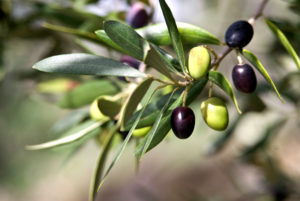
olive leaf extract

Olive Leaf Extract Improves Postmenopausal Symptoms: A Randomized Double-Blind Trial

Written by Tabish Mehraj, PhD, Science Writer. This study evaluated the effects of olive leaf extract (OLE) supplementation in postmenopausal women for 12 weeks. The OLE group showed a significant improvement in overall Menopause-Specific Quality of Life (MENQoL) scores compared with placebo (p = 0.027). A significant increase in Bone Mineral Density BMD (p = 0.019) was observed. OLE also significantly reduced serum triglycerides (p = 0.010), with no significant changes in cholesterol levels, body composition, or handgrip strength. 

Read more
bowl of flaxseed

Increased Whole-Food Flaxseed Supplementation Linked to Improved Liver Fat, Metabolic Health and Gut Microbiota in NAFLD

Written by Keely Puchalski, ND. Results from a 12-week randomized controlled trial suggest that daily supplementation with 30 g of whole-food flaxseed powder may significantly reduce intrahepatic lipid content, improve body composition, liver function and lipid profiles, while beneficially modulating gut microbiota in obese adults with Non‑alcoholic fatty liver disease (NAFLD).

Read more
man smiling

The Effect of Astaxanthin After Varicocele Surgery on Antioxidant Status and Semen Quality in Infertile Men: A Triple-Blind Randomized Clinical Trial

Written by Keely Puchalski, ND. Results from this small triple-blind RCT suggest 90 days of astaxanthin (6 mg/day) after varicocelectomy improved sperm motility, increased seminal antioxidant capacity, upregulated NRF2-pathway gene expression, and reduced pro-inflammatory cytokines in infertile men with varicocele, though the study is limited by small sample size, retrospective trial registration, and lack of baseline data and protein-level validation.

Read more
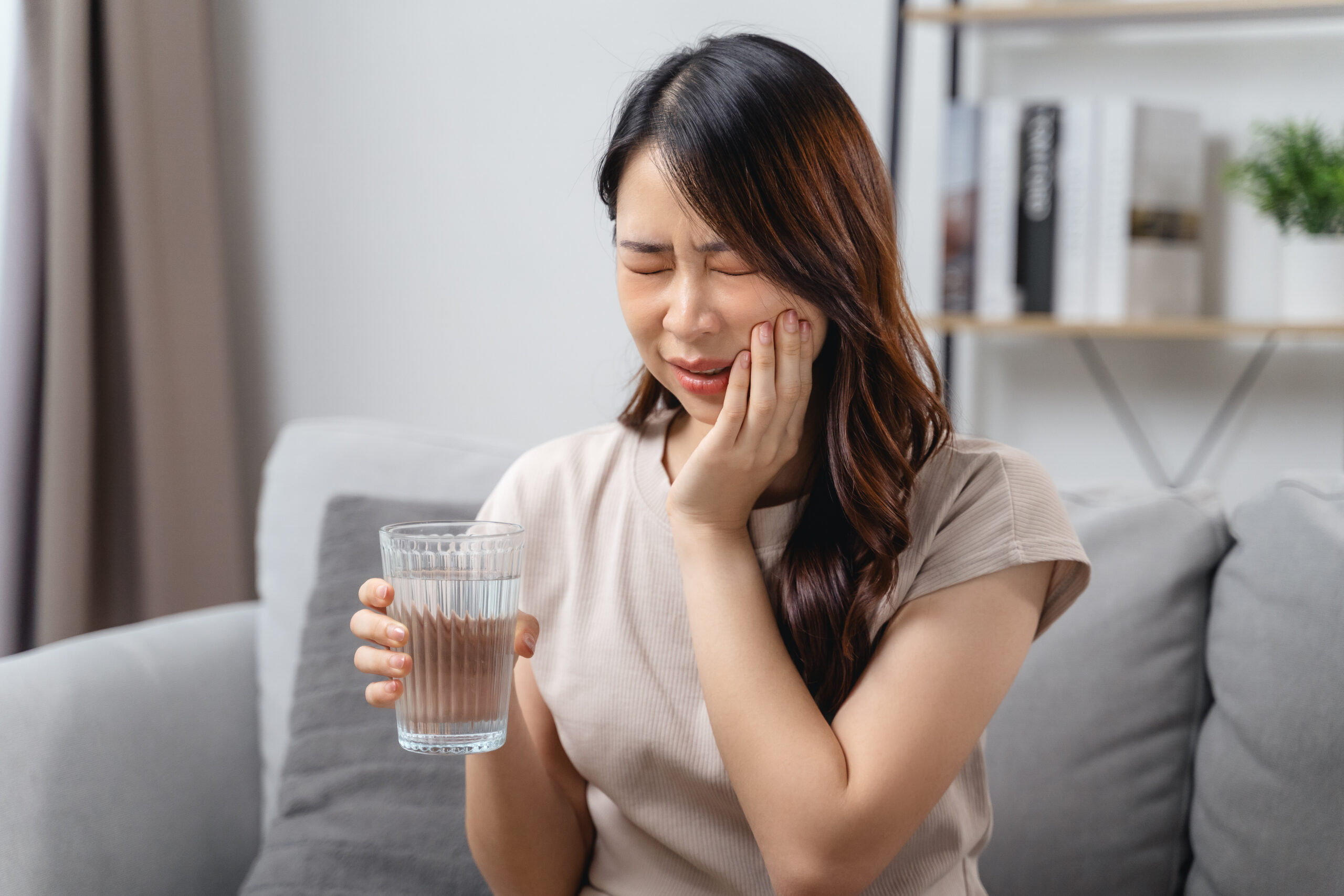
woman holding her cheek in pain and a glass of water

A Comparative Study of Aloe Vera and Thyme Honey Oral Rinse for the Management of Xerostomia in Type 2 Diabetes: Evidence from a Randomized Controlled Trial

Written by Tabish Mehraj, PhD Science Writer. This study evaluated the effectiveness of honey and aloe vera in management of xerostomia over a 4-week period (p=0.002). Both interventions significantly reduced xerostomia symptoms, increased salivary flow rate and improved quality of life as compared to saline (p<0.001), moreover salivary nitric oxide levels were highest in thyme group followed by aloe vera, resulting in enhanced function of the salivary gland. 

Read more
grape seed oil

Grape Seed Extract Improves Cardiovascular and Hepatic Parameters in Non-Alcoholic Fatty Liver Disease: A Randomized, Double-Blind, Placebo-Controlled Trial

Written by Tabish Mehraj, PhD, Science Writer. Grape seed extract (GSE) supplementation over two months showed great effectiveness as compared to placebo, the GSE group showed significant improvements in lipid profile (p < 0.05), blood pressure parameters (p < 0.001), insulin resistance markers (p < 0.05), and insulin sensitivity (p < 0.05). Additionally, liver enzyme levels and hepatic steatosis severity were significantly reduced (p < 0.05; p = 0.002). Overall, GSE supplementation showed beneficial metabolic and hepatic effects.

Read more
Headache, female having migraine pain

Alpha-Lipoic Acid Improves Migraine Symptoms and Mitochondrial Markers in Women with Episodic Migraines: Results from a Randomized Controlled Trial

Written by Alexa Heathorn, MS, CNS, Science Writer. Twelve weeks of alpha-lipoic acid supplementation significantly reduced migraine severity, attack frequency, and headache impact while improving markers of mitochondrial metabolism and vascular inflammation in women with episodic migraines.

Read more
Back To Top