


Sleep Quality is Linked to Anxiety Disorders
Written by Joyce Smith, BS. This study suggests that insufficient sleep increases anxiety levels while deep sleep helps to reduces stress.
Written by Joyce Smith, BS. This study suggests that insufficient sleep increases anxiety levels while deep sleep helps to reduces stress.

Written by Angeline A. De Leon, Staff Writer. Study results suggest that Withania somnifera extract may treat a broad spectrum of symptoms in exacerbated schizophrenia.

Written by Joyce Smith, BS. A four-year treatment of hormonal therapy improved symptoms of menopause and did not increase cardiovascular disease (CVD) risk compared to the control group.

Written by Angeline A. De Leon, Staff Writer. Supplementation with Zanthoxylum armatum DC. ZA extract, rich in hydroxy α-sanshool, significantly improved the processing speed of cognitive tasks.

Written by Joyce Smith, BS. Study suggests that social media use is associated with an increase in disordered eating thoughts and behaviors for both girls and boys.
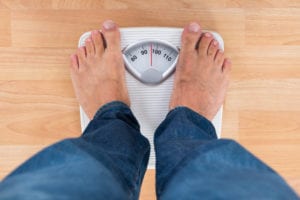
Written by Marcia J. Egles, MD. Study validates the association between weight loss and type 2 diabetes mellitus remission.

Written by Joyce Smith, BS. The addition of ginger to non-steroidal anti-inflammatory drugs may be beneficial as an adjunct treatment for migraine.

Written by Angeline A. De Leon, Staff Writer. Study shows that short-term intake of stevia lowered postprandial glucose levels compared to sugar and had no effect on appetite and food intake.

Written by Joyce Smith, BS. Study suggests that beta-caryophyllene, a chemical compound found in essential oils, has the ability along with the synergistic impact of multiple pathways to improve wound healing.

Written by Angeline A. De Leon, Staff Writer. Low‑frequency pulsed electromagnetic fields support functional recovery following spinal cord injury by potentially modulating inflammation, oxidative stress and heat shock protein levels.


