

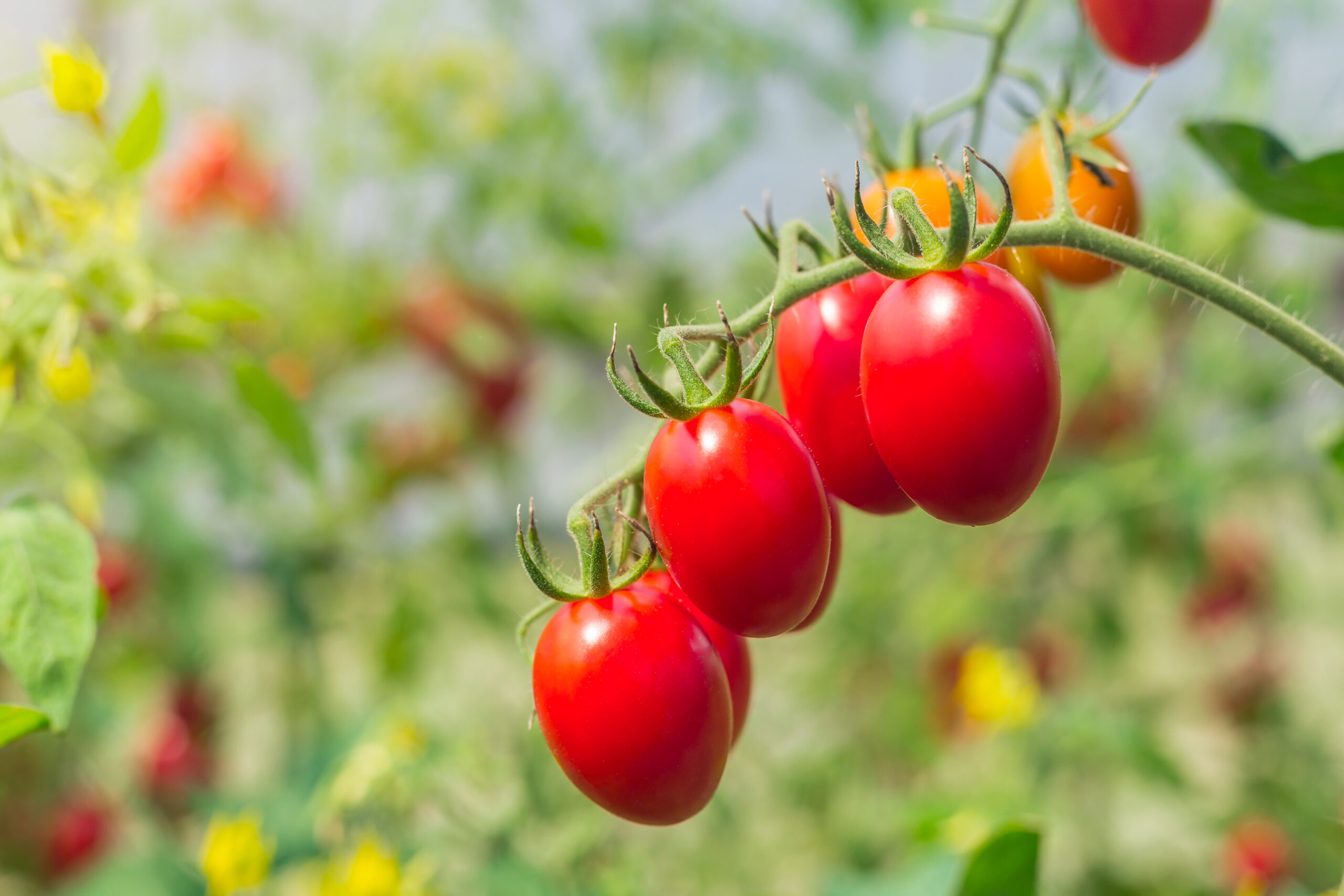
Written by Alexa Heathorn, MS, CNS. Daily consumption of a carotenoid-rich tomato sauce made from vine-ripened tomatoes for 12 weeks significantly reduced liver fat compared with conventional tomato sauce in adults with MASLD, suggesting that lycopene-rich functional foods may support liver health.
 Metabolic dysfunction-associated steatotic liver disease (MASLD) is characterized by excessive fat accumulation in the liver and affects approximately 38% of adults worldwide, with prevalence projected to exceed 55% by 2040.¹ MASLD is strongly associated with obesity, insulin resistance, and type 2 diabetes, and can progress to cirrhosis, liver failure, and hepatocellular carcinoma, while also increasing the risk of cardiovascular disease and chronic kidney disease.¹ In addition to its health burden, MASLD is associated with reduced quality of life, increased healthcare costs, and higher mortality.¹ Current treatment focuses on lifestyle modification through diet and exercise. However, long-term adherence remains challenging for many individuals, and there are currently no FDA-approved medications for MASLD.¹ As a result, there is growing interest in identifying practical nutritional strategies that may help reduce liver fat and improve liver health.
Various bioactive compounds found in fruits and vegetables have shown promise for improving MASLD, including lycopene, a carotenoid found in tomatoes and tomato-based products. Lycopene is a potent antioxidant that has been shown to reduce oxidative stress and inflammation, improve hepatic steatosis, decrease liver fat accumulation, and help protect against liver fibrosis and other liver diseases.¹ However, not all tomato products provide the same amount of lycopene. Lycopene content varies considerably depending on factors such as growing conditions, ripeness at harvest, storage, and processing methods.¹ As a result, many commercially available tomato products contain substantially lower levels of lycopene than specially produced carotenoid-rich varieties.¹ Despite the promising evidence for lycopene, few clinical trials have evaluated whether lycopene-rich tomato products can improve MASLD in humans.¹ This study investigated whether a carotenoid-rich tomato sauce made from vine-ripened tomatoes (OsteoCol®), which contains substantially more lycopene than conventional tomato sauce, could reduce liver fat in adults with MASLD.¹
This parallel, randomized, double-blind, placebo-controlled clinical trial included 93 adults aged 30–75 years with MASLD, defined as excess liver fat in the presence of at least one cardiometabolic risk factor.¹ Participants were randomly assigned to receive either a carotenoid-rich tomato sauce (OsteoCol®) made from organic, vine-ripened tomatoes or a commercially available tomato sauce for 12 weeks. Within each group, participants consumed either 80 g daily or 160 g every other day, with the two dosing schedules included to improve adherence.¹ All participants also received Mediterranean diet recommendations without calorie restriction.¹
Following the 12-week intervention, the carotenoid-rich tomato sauce was confirmed to contain approximately twice the total carotenoid content of the commercial tomato sauce, including 52% more lycopene, more than 8 times more β-carotene, and 35% greater antioxidant activity.¹ Compared with the commercial tomato sauce, participants consuming the carotenoid-rich tomato sauce experienced a significantly greater reduction in liver fat (CAP score: −33 ± 44 vs. −12 ± 38 dB/m; p = 0.014), with the difference remaining significant after adjustment for potential confounding variables (p = 0.002).¹ Liver fat decreased by approximately 11% in the intervention group compared with 3–4% in the control group (p = 0.013 and p = 0.033 for intention-to-treat and per-protocol analyses, respectively).¹ Among participants with mild hepatic steatosis, 67% of those receiving the carotenoid-rich tomato sauce improved their steatosis grade compared with 25% of those consuming the commercial tomato sauce (p = 0.020).¹ The greatest reductions in liver fat were observed in men, adults 60 years and older, normal weight or overweight individuals, and participants without metabolic syndrome.¹ No significant differences were observed between groups in body weight, blood glucose, insulin resistance, blood lipids, liver enzymes, or inflammatory markers, and no adverse events were reported.¹
There are several limitations that should be considered when interpreting the findings of this study. The study was conducted at a single center, which may limit the generalizability of the findings. The intervention lasted only 12 weeks, leaving the long-term effects on liver fat and disease progression unknown. Additionally, the study included only adults with MASLD without advanced liver disease, so it remains unclear whether similar benefits would occur in individuals with more advanced stages of the disease. Researchers also did not measure blood concentrations of carotenoids or lycopene, making it difficult to directly link carotenoid absorption to the observed improvements in liver fat. Finally, although all participants received Mediterranean diet recommendations, dietary intake and other lifestyle factors could not be completely controlled and may have influenced the results.
This study suggests that daily consumption of a carotenoid-rich tomato sauce made from vine-ripened tomatoes may be an effective nutritional strategy for reducing liver fat in adults with MASLD. Compared with conventional tomato sauce, the carotenoid-rich sauce produced significantly greater reductions in hepatic fat accumulation without adverse effects, despite no additional improvements in body weight or other metabolic markers. These findings highlight the potential importance of carotenoid-rich functional foods in supporting liver health, although larger, multi-center studies with longer follow-up are needed to confirm these benefits and determine their impact on disease progression.
Click here to read the full text study.
Posted September 24, 2026.
Alexa Heathorn, MS, CNS-c, is a clinical nutritionist specializing in metabolic health, hormonal balance, and gastrointestinal restoration through root-cause functional nutrition. She earned her master’s degree in Nutrition from Bastyr University and is currently a Certified Nutrition Specialist (CNS) candidate. Alexa also works as a research writer and functional health consultant, translating complex science into actionable strategies for practitioners and wellness companies. Learn more at www.bloomedwellness.com.
Resources:
- Mare R, Ferro Y, Maurotti S, et al. A carotenoid-rich functional tomato sauce (OsteoCol®) reduces liver fat content in adults with metabolic dysfunction-associated steatotic liver disease: a randomized clinical trial. Eur J Nutr. 2026;65(5):189. Published 2026 Jul 3. doi:10.1007/s00394-026-04049-w


Comments (0)