

Written by Tabish Mehraj, PhD. In this study, the headache intensity was 1.37 ± 1.10 with lavender and 2.50 ± 2.43 in the control group, while no headaches were reported with acetaminophen. Headache severity differed significantly among groups (p < 0.001), and comfort was significantly higher with both acetaminophen and lavender than with control (p < 0.001).
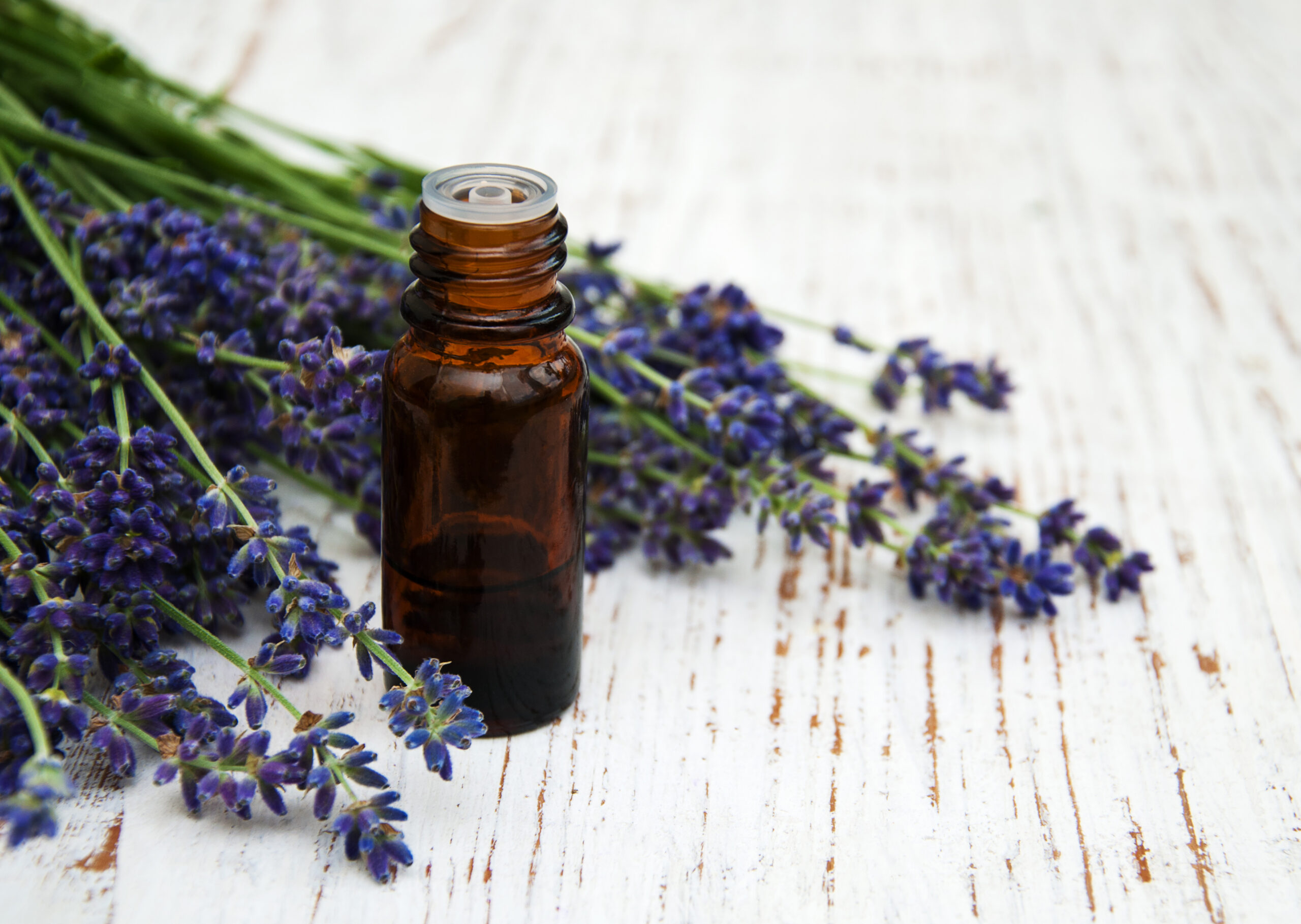
 Intravenous nitroglycerin (NTG) is often used to relieve heart-related symptoms in patients with acute coronary syndrome (ACS). However, NTG commonly causes headaches, which can be uncomfortable for patients. Acetaminophen is usually given to treat these headaches after they occur, while lavender aromatherapy may be a non-drug option for pain relief. This randomized clinical trial examined whether giving acetaminophen or using lavender aromatherapy before NTG treatment could prevent or reduce headaches and improve comfort in patients with ACS.
This randomized clinical trial consisted of 90 patients with ACS. Participants were randomly assigned to an acetaminophen group, lavender aromatherapy group, or routine-care control group, with 30 participants in each arm. The acetaminophen group received 500 mg of oral acetaminophen and intravenous NTG. The lavender group received three drops of 2% lavender essential oil applied near the patient’s collar, an NTG infusion, and deep-breathing instructions. Participants in the control group received routine care, including 500 mg of acetaminophen after an NTG-induced headache developed. Headache severity was assessed using a 0–10 visual analog scale at 5, 10, 15, and 60 minutes after NTG initiation. Patient comfort was evaluated before and after the intervention. Statistical analyses included repeated-measures ANCOVA and ANOVA, with adjustment for relevant covariates including NTG dose, blood pressure, and narcotic medication use.
Results/Key Findings
- Acetaminophen and lavender aromatherapy reduced headache occurrence and improved comfort compared with routine care.
- No headaches were reported in the acetaminophen group, while headache intensity in the lavender group decreased over time.
- In the control group, headache occurrence increased from 16.67% at 5 minutes to 66.67% at 60 minutes, with the highest headache intensity.
- Comfort scores were significantly higher (p < 0.001) with acetaminophen (9.37 ± 0.93) and lavender (8.40 ± 1.30) than with control (3.09 ± 2.01).
- After adjusting for other factors, both interventions continued to improve comfort, with acetaminophen showing a slightly higher comfort score than lavender.
There are several strengths of the study, such as the randomized three-arm design, which allowed comparison of two preemptive strategies with routine care. The study incorporated repeated headache assessments over time, enabling evaluation of changes in headache frequency and intensity during the period when NTG-related symptoms commonly develop. The investigators also used established VAS measures for headache and comfort and applied repeated-measures statistical methods, adjusting for important clinical covariates. Random allocation was performed using permuted blocks, and no participants were lost to follow-up. The inclusion of both pharmacological and non-pharmacological interventions provided clinically relevant comparisons for managing NTG-associated headaches. Some limitations include a relatively small sample of 90 participants and the study’s conduct within three coronary care units at a single university medical system, which may limit generalizability. Headache outcomes were monitored for only one hour after initiation of intravenous NTG, so longer-term effects could not be evaluated. In addition, the groups differed at baseline in NTG dose, diastolic blood pressure, mean arterial pressure, and narcotic medication use. Although statistical adjustment was performed for these factors, residual confounding cannot be excluded.
Preemptive administration of 500 mg acetaminophen was associated with the prevention of NTG-induced headaches and substantial improvement in comfort among patients with ACS. Lavender aromatherapy also reduced headache-related outcomes and improved comfort compared with routine care, although its effects were less pronounced than those observed with acetaminophen. The findings support further investigation of preemptive strategies for NTG-associated headache, particularly in larger and more diverse ACS populations with longer follow-up.
Click here to read the full text study.
Posted October 1, 2026.
Dr. Tabish Mehraj is a pharmaceutical scientist with expertise in pharmaceutics, drug delivery, and formulation development. She earned her PhD in Pharmaceutical Sciences from the University of Mississippi, where her research focused on the formulation, optimization, and characterization of lipid-based nanocarriers for targeted liver delivery of antimalarial therapeutics. Dr. Mehraj has also served as an ORISE Fellow at the U.S. Food and Drug Administration (FDA), where she evaluated the effects of formulation and process design on the quality and performance of intravaginal drug delivery systems and developed bio-relevant in vitro drug release testing methods. She has teaching experience in pharmaceutical and life sciences courses and has authored peer-reviewed publications, book chapters, and conference presentations. Dr. Mehraj is an active member of the American Association of Pharmaceutical Scientists and has been recognized by honor societies including Rho Chi and Gamma Beta Phi.
Reference:
- Ezati-Soleiman, R., Karampourian, A., Khatiban, M., Tapak, L., & Sayadi, M. H. (2025). The effect of lavender aromatherapy and acetaminophen as preemptive on comfort and Nitroglycerin-induced headache in acute coronary syndrome. ARYA atherosclerosis, 21(3), 28.


Comments (0)