

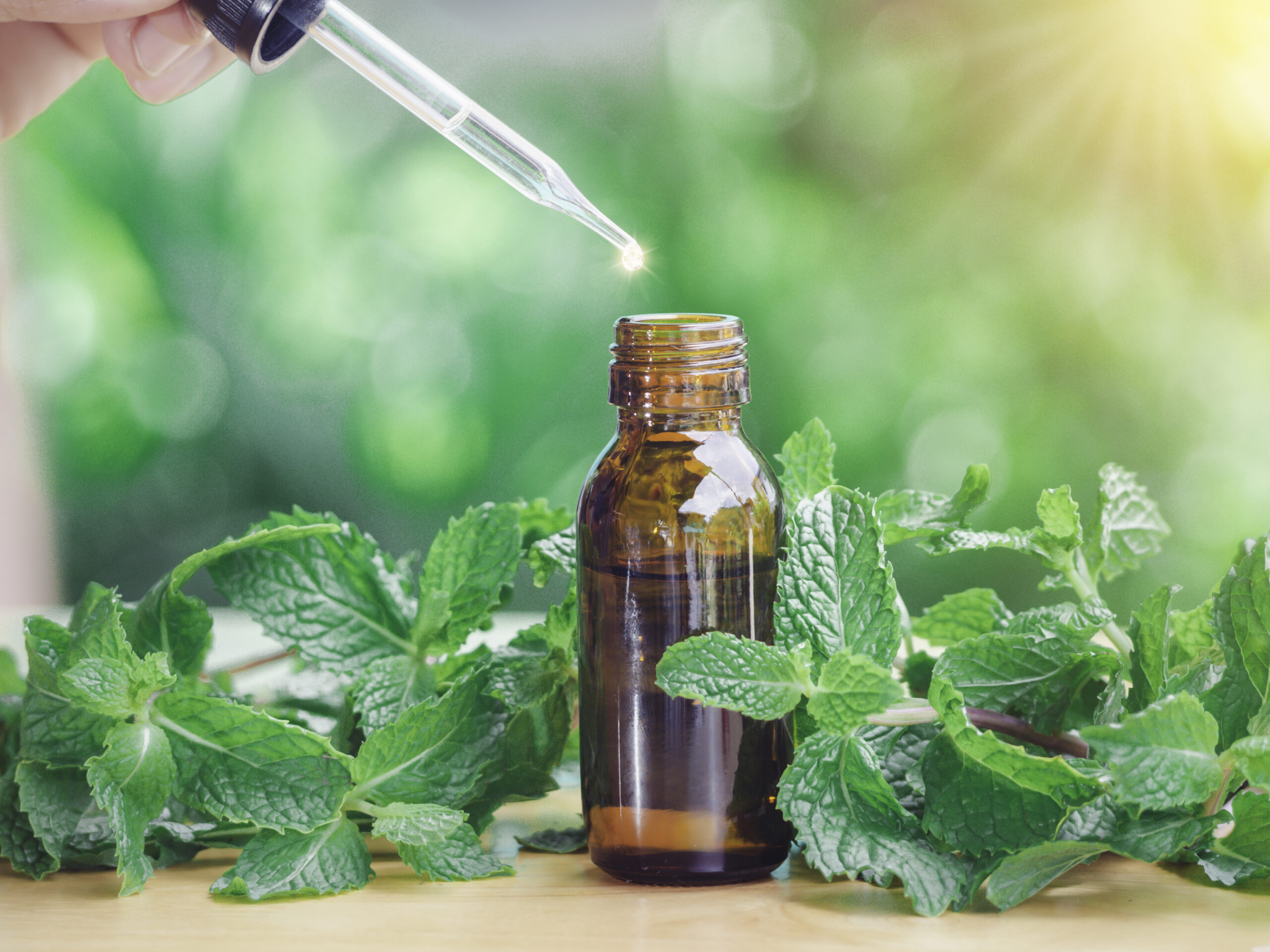
Written by Tabish Mehraj, PhD. In this randomized, placebo-controlled study, the peppermint group had a significant reduction in systolic blood pressure after 20 days compared with the placebo group. Blood pressure was about 8.5 mmHg lower in the peppermint group (95% CI: −14.24 to −2.73; effect size d = −0.94).
 Hypertension is a major cardiovascular risk factor, and there has been a lot of interest in dietary strategies that may counteract conventional treatment options. It is associated with a significant economic and societal burden that results in loss of productivity from disability and premature death. Improved dietary practices are among the main approaches for non-pharmaceutical prevention. Intake of fruits and vegetables has been shown to improve symptoms of hypertension and cardiometabolic disease. However, maintaining a habitual dietary pattern is difficult; therefore, supplementation may represent a more appealing treatment and prevention modality. Peppermint contains bioactive compounds with antioxidant and anti-inflammatory properties that may support cardiovascular health. These effects may help improve blood pressure and other cardiometabolic outcomes in people with hypertension, although more research is needed to confirm its clinical benefits.
This parallel randomized, placebo-controlled study investigated whether twice-daily peppermint (Mentha x piperita L.) oil supplementation could improve blood pressure and other cardiometabolic and health-related outcomes in adults with pre- and stage 1 hypertension. Forty adults aged 18-65 years who were not taking antihypertensive medication were categorized to receive either 100 μL/day of peppermint oil, administered as 50 μL diluted in water twice daily, or a peppermint-flavored placebo for 20 days. The primary outcome was the between-group difference in systolic blood pressure (SBP) from baseline to day 20. Secondary outcomes included changes in diastolic blood pressure (DBP), resting heart rate, anthropometric measures, blood lipids and glucose, psychological well-being, and sleep-related measures. Analyses followed an intention-to-treat approach using baseline-adjusted linear regression.
Results/ Key Findings
- Peppermint oil significantly reduced systolic blood pressure by 8.48 mmHg, with SBP declining from 130.05 to 121.97 mmHg compared with placebo (p = 0.005).
- Diastolic blood pressure decreased by 4.57 mmHg and resting heart rate by 8.92 beats/min in the peppermint group compared with placebo (p = 0.043 and p = 0.041, respectively).
- No significant differences were observed in anthropometric measures, triglycerides, total cholesterol, glucose, lipoprotein measures, sleep, or psychological well-being.
- Dietary intake remained comparable between groups, while treatment compliance was high at 93.3% for peppermint and 92.2% for placebo.
- Only one participant was lost to follow-up, one minor adverse event was reported, and 47.4% of completers correctly identified their treatment, suggesting effective blinding.
Several features strengthen the study. The randomized, placebo-controlled design provides a stronger basis for attributing the observed blood-pressure changes to peppermint supplementation than uncontrolled studies. Allocation was computer-randomized, participants received visually identical opaque containers, and an independent researcher prepared supplements to support blinding. The investigators used an intention-to-treat framework, adjusted analyses for baseline values, monitored compliance, and adverse events. They assessed dietary intake to identify potential confounding from changes in food consumption. The trial was also prospectively registered and conducted under ethical approval.
However, important limitations affect interpretation. The sample was small, with 40 participants randomized and 38 completing the trial, and the study was powered primarily for the primary SBP outcome. Consequently, the absence of significant effects on secondary cardiometabolic outcomes may reflect limited statistical power rather than a true lack of effect. The intervention lasted only 20 days, so the durability of the blood-pressure reduction and longer-term safety remain unknown. Finally, the study did not directly investigate mechanisms; the proposed pathways involving menthol, vascular signaling, nitric oxide, and endothelial function, therefore, remain speculative.
Overall, the trial provides preliminary evidence that 20 days of twice-daily peppermint oil supplementation can reduce clinic-measured SBP, DBP, and resting heart rate in adults with pre- and stage 1 hypertension, while producing no detectable short-term changes in the other measured cardiometabolic or questionnaire outcomes. Larger, longer trials, ideally incorporating ambulatory blood pressure monitoring and mechanistic biomarkers, are needed to determine whether these effects are sustained and clinically reproducible.
Click here to read the full text study.
Posted September 25, 2026.
Dr. Tabish Mehraj is a pharmaceutical scientist with expertise in pharmaceutics, drug delivery, and formulation development. She earned her PhD in Pharmaceutical Sciences from the University of Mississippi, where her research focused on the formulation, optimization, and characterization of lipid-based nanocarriers for targeted liver delivery of antimalarial therapeutics. Dr. Mehraj has also served as an ORISE Fellow at the U.S. Food and Drug Administration (FDA), where she evaluated the effects of formulation and process design on the quality and performance of intravaginal drug delivery systems and developed bio-relevant in vitro drug release testing methods. She has teaching experience in pharmaceutical and life sciences courses and has authored peer-reviewed publications, book chapters, and conference presentations. Dr. Mehraj is an active member of the American Association of Pharmaceutical Scientists and has been recognized by honor societies including Rho Chi and Gamma Beta Phi.
Reference:
- Sinclair, J., Sant, B., Du, X., Shadwell, G., Dillon, S., Butters, B., & Bottoms, L. (2026). Effects of peppermint (Mentha x piperita L.) oil on cardiometabolic outcomes in patients with pre-and stage 1 hypertension: A placebo randomized controlled trial. Plos one, 21(4), e0344538.


Comments (0)