

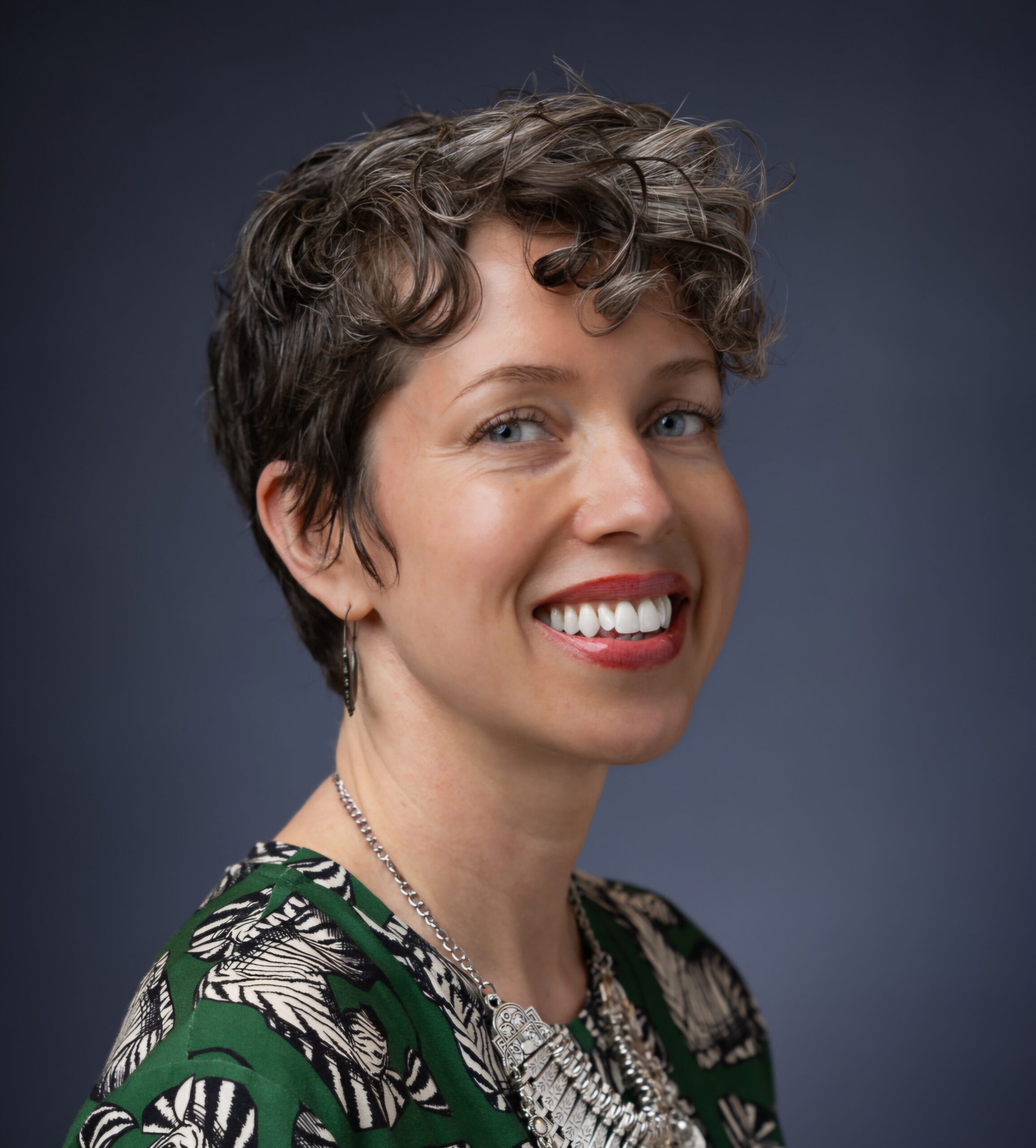
In this interview, Sarah Burden, Senior Director of Sales at People Science, discusses the importance of making clinical research more accessible, affordable, and representative. She explains how removing traditional barriers to participation can help natural product companies generate real-world evidence and give consumers greater confidence in the products they choose.
Sarah Burden is a veteran natural products industry leader and Senior Director of Sales at People Science. With over 20 years of experience across natural retail, brand education, and clinical research, Sarah works at the intersection of traditional botanical wisdom and modern clinical science. Deeply committed to evidence-based wellness, she is a passionate advocate for accessible clinical research that validates plant medicines and dietary supplements while empowering CPG brands and suppliers. She believes that merging traditional herbal knowledge with real-world, technology-driven research is central to building consumer trust and advancing the future of integrative health.
1. Could you tell us a little bit about yourself and your background?
I started working in the natural products industry in 2002 in the aisles at Whole Foods Market in downtown Chicago. I became a territory sales manager for well-loved supplement brands like MegaFood, New Chapter, and LifeSeasons. I learned more about the science behind branded ingredients and how credible human clinical science enabled me to gain trust with my customers, the retailers, as well as with consumers. I also learned how cost-prohibitive it was at that time, with single studies costing upwards of $1.5 million and taking years to execute.Today, I’m Senior Director of Sales at People Science, a decentralized clinical research organization serving the supplement and wellness industry.
2. What have been some of the barriers to clinical research in the past?
The cost has been the primary barrier. Supplement brands and even many ingredient suppliers cannot afford the type of investment needed for trials built on a pharma model. Some brands have partnered with universities to reduce the cost, but there are challenges there, too–the credibility is strong, but anyone who has worked in academia will tell you that the timelines are long! One university study that I watched unfold took over 2.5 years just to recruit the participants. Then there are challenges with IP: who owns those results? Sometimes, it’s the university…and that is a major issue for brands and ingredient suppliers.
3. Why is accessibility in clinical trials so important and what does ‘accessible” participation look like in practice?
I see this as having dual meanings: is the clinical trial model accessible to organizations who have questions that human research can answer? And who can participate in the research? If a research study is happening at a clinic, hospital, or university site, only people who live in that area (and have transportation, and can take time off of work, and can arrange childcare/elder care, etc.) can participate. Additionally, women were formally excluded from many early-phase U.S. trials until 1993 and remain underrepresented in clinical research because of concerns about hormone variability across the menstrual cycle. A truly accessible trial is one that has a reasonable cost and can recruit anyone who fits the inclusion criteria, no matter where they live.
4. How can improving accessibility and reducing participation barriers lead to more diverse and representative clinical trial populations?
When human clinical studies happen at clinics, universities, and hospitals, we see participants who live near study sites and have the flexibility to take time off to attend, which leaves many groups out. When we break away from a location-locked clinical trial model, suddenly we can recruit working people, stay-at-home moms, people in rural locations, people with mobility challenges, people of all ages–and by incorporating tech tools like Oura rings with cycle tracking options, women can be included and then evaluated based on where they were in their cycles, vs. screened out of the study. This gives a much more real-world, evidence-based approach to human clinical research, and better reflects the people who are using the botanicals, nutrients, or products being studied, instead of limiting the research to a small population who happened to be able to show up.
5. What does human clinical research do for consumers?
Consumers today are overwhelmed with information online, and it can feel difficult to know what to trust. A well-designed clinical trial with an appropriate population can help answer the question, “Will this work for me?” When you can see yourself reflected in the participant population, it builds confidence in the natural products you’re purchasing.
6. What are some of the current challenges when it comes to clinical research?
Like we discussed earlier, the high price tags that come with clinic-based human studies are a barrier. There’s also a challenge with prospective study sponsors not knowing how to get started with clinical research–that’s where finding a good clinical research organization (CRO) partner is vital!
7. Where can people learn more about your work or connect with you?
I’m very active on LinkedIn, so you can find me there! If you are with a supplement brand or ingredient supplier company and are looking for help determining how to move forward with human clinical research, you can reach out to me there, or by visiting PeopleScience.health. I’d love to help you.


Comments (0)