

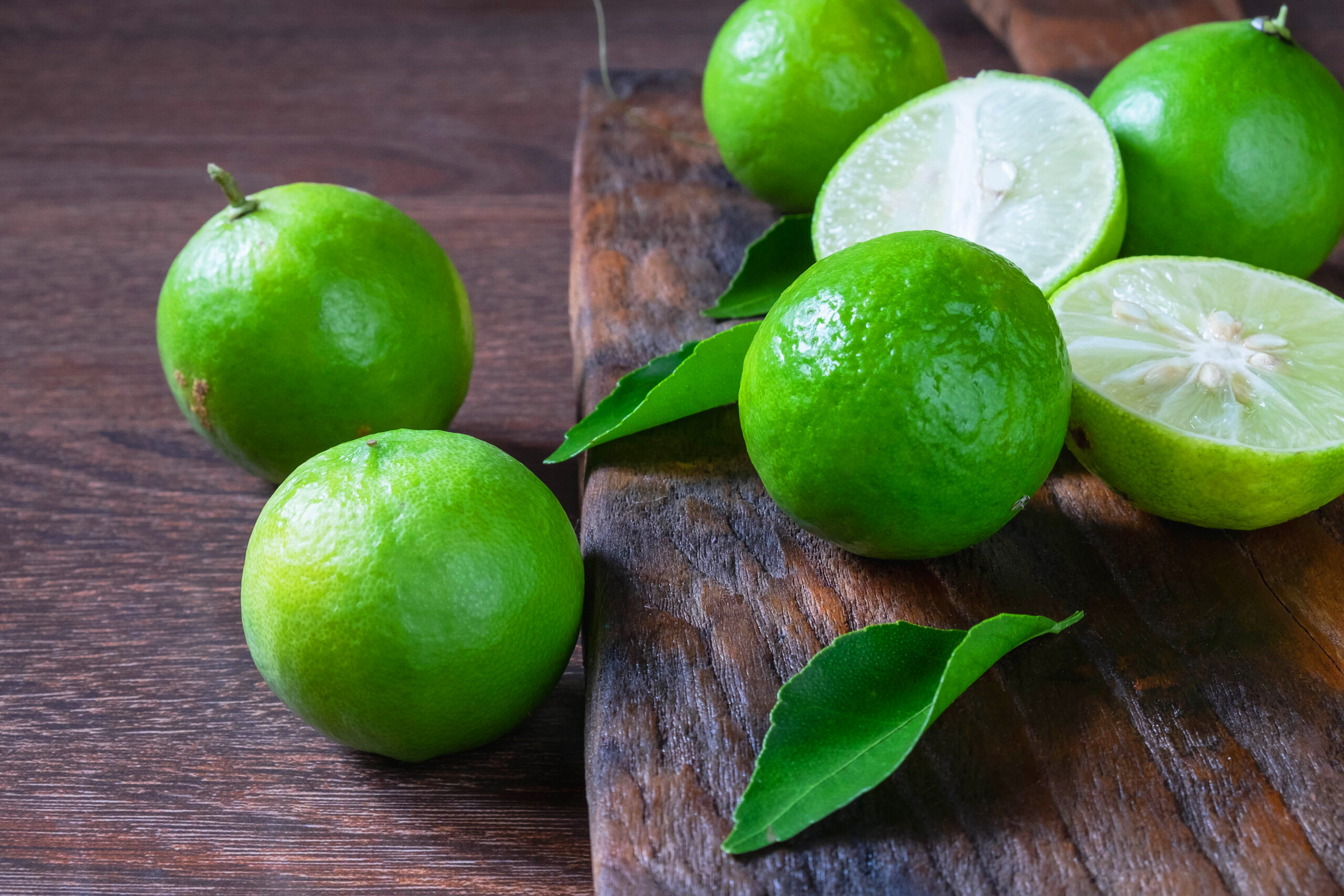
Written by Alexa Heathorn, MS, CNS. Daily supplementation with a phytochemical-rich lime-based preparation for 24 months reduced kidney stone recurrence by ~76%, lowered urinary IL-8 and protein excretion, and was well tolerated, supporting its potential as a safe and cost-effective adjunct for preventing calcium oxalate urolithiasis.
 Urolithiasis is the presence of stones within the urinary tract, often occurring when stones that form in the kidney move from the renal pelvis into the ureter, bladder, or lower urinary tract.¹ It affects approximately 4–20% of the global population, making it a significant and growing health concern.¹ Recurrence rates are notably high, with some estimates reaching over 80%, highlighting the need for effective and sustainable prevention strategies.¹
While several types of kidney stones exist, approximately 80% are composed of calcium oxalate or calcium phosphate.² Urinary metabolic abnormalities play a key role in stone formation, particularly low urinary citrate levels, known as hypocitraturia.¹ Citrate acts as a natural inhibitor of calcium crystal formation, and reduced levels increase the risk of stone development.¹ As a result, potassium citrate therapy is commonly used to prevent recurrence; however, long-term use is often limited by gastrointestinal side effects and cost.¹
Interest has therefore grown in alternative strategies with fewer adverse effects. Many dietary compounds, including green tea, raspberry, pomegranate, lemon, and lime, contain citrate and have been explored for their potential role in stone prevention.¹ Lime, in particular, is rich in citrate as well as bioactive phytochemicals with anti-inflammatory properties.¹
Emerging evidence also highlights the role of renal inflammation in stone formation, with biomarkers such as proteinuria and interleukin-8 (IL-8) indicating tubular injury and inflammatory activity.¹ While small-scale studies suggest lime supplementation may increase urinary citrate, clinical evidence evaluating its long-term impact on stone recurrence and inflammatory markers remains limited.¹ To address this gap, a multicenter, double-blind, randomized controlled trial was conducted to evaluate the efficacy and safety of a standardized lime-based, phytochemical-rich regimen in reducing stone recurrence and improving urinary inflammatory markers in patients with a history of calcium oxalate urolithiasis.¹
The study included 151 adults aged 18–75 years with a history of calcium oxalate urolithiasis who had undergone successful stone removal, recruited from six centers across Thailand.¹ Participants were randomly assigned to receive either a lime-based phytochemical-rich (LPR) regimen including 7.75 g providing approximately 55 mEq of citrate and 153 mg of flavonoids (n=98) or an identical placebo (n=75), dissolved in 200–300 mL of water and consumed daily in the evening.¹ Blood and urine samples, radiographic imaging, and clinical data were collected at baseline and at 6, 12, 18, and 24 months throughout the study.¹
Results:
- The recurrence rate at 2 years was significantly lower in the LPR group (14%) compared to placebo (45%) (p < 0.001).¹
- Kaplan–Meier analysis showed a significantly reduced risk of recurrence, with a hazard ratio of 0.24 (95% CI: 0.13–0.44; p < 0.0001), representing a ~76% relative risk reduction.¹
- LPR significantly reduced urinary IL-8 levels (p = 0.017) and 24-hour urinary protein excretion (p = 0.032), indicating reduced renal inflammation and injury.¹
- No significant adverse effects or signs of liver or kidney toxicity were observed, and adherence remained high throughout the study.¹
Several limitations should be considered when interpreting these findings. The study was conducted exclusively in a Thai population, which may limit generalizability to other geographic, dietary, and genetic contexts.¹ Although participants received dietary and fluid intake guidance, adherence was not strictly controlled, introducing potential variability in urinary risk factors. Additionally, some urinary biochemical data were incomplete due to collection and storage limitations, which may constrain interpretation of underlying metabolic changes.¹ While reductions in IL-8 and urinary protein suggest improvements in renal inflammation, these markers are not yet fully validated as predictors of stone recurrence.¹ Finally, the predominance of female participants may limit applicability to broader populations, particularly males, who typically have a higher prevalence of urolithiasis.¹
This study provides strong evidence that supplementation with a phytochemical-rich lime-based preparation (LPR) significantly reduces the recurrence of calcium oxalate urolithiasis.¹ These effects are likely driven by increased urinary citrate excretion, urine alkalinization, and reductions in renal inflammation, as reflected by decreases in IL-8 and proteinuria.¹ LPR was well tolerated with minimal adverse effects and may serve as a safe, cost-effective adjunct for individuals who are intolerant to conventional alkali therapy.¹ However, additional studies are needed to validate these findings across more diverse populations and to further clarify the role of inflammatory biomarkers in predicting long-term recurrence risk.
Source: Dissayabutra, Thasinas, Weerapat Anegkamol, Supoj Ratchanon, Wattanachai Ungjaroenwathana, Tasanee Klinhom, Thosaphol Sasivongsbhakdi, Pisitpol Siriwattana et al. “Lime-based supplement reduces calcium oxalate stone recurrence: A multicenter randomized controlled trial.” PLoS One 20, no. 12 (2025): e0336892.
© 2025 Dissayabutra et al. This is an open access article distributed under the terms of the Creative Commons Attribution License
Click here to read the full text study.
Posted May 7, 2026.
Alexa Heathorn, MS, CNS-c, is a clinical nutritionist specializing in metabolic health, hormonal balance, and gastrointestinal restoration through root-cause functional nutrition. She earned her master’s degree in Nutrition from Bastyr University and is currently a Certified Nutrition Specialist (CNS) candidate. Alexa also works as a research writer and functional health consultant, translating complex science into actionable strategies for practitioners and wellness companies. Learn more at www.bloomedwellness.com.
References:
- Dissayabutra T, Anegkamol W, Ratchanon S, et al. Lime-based supplement reduces calcium oxalate stone recurrence: A multicenter randomized controlled trial. PLoS One. 2025;20(12):e0336892. Published 2025 Dec 5. doi:10.1371/journal.pone.0336892
- Thakore P, Liang TH. Urolithiasis. [Updated 2023 Jun 5]. In: StatPearls [Internet]. Treasure Island (FL): StatPearls Publishing; 2026 Jan-. Available from: https://www.ncbi.nlm.nih.gov/books/NBK559101/


Comments (0)