Skip to content
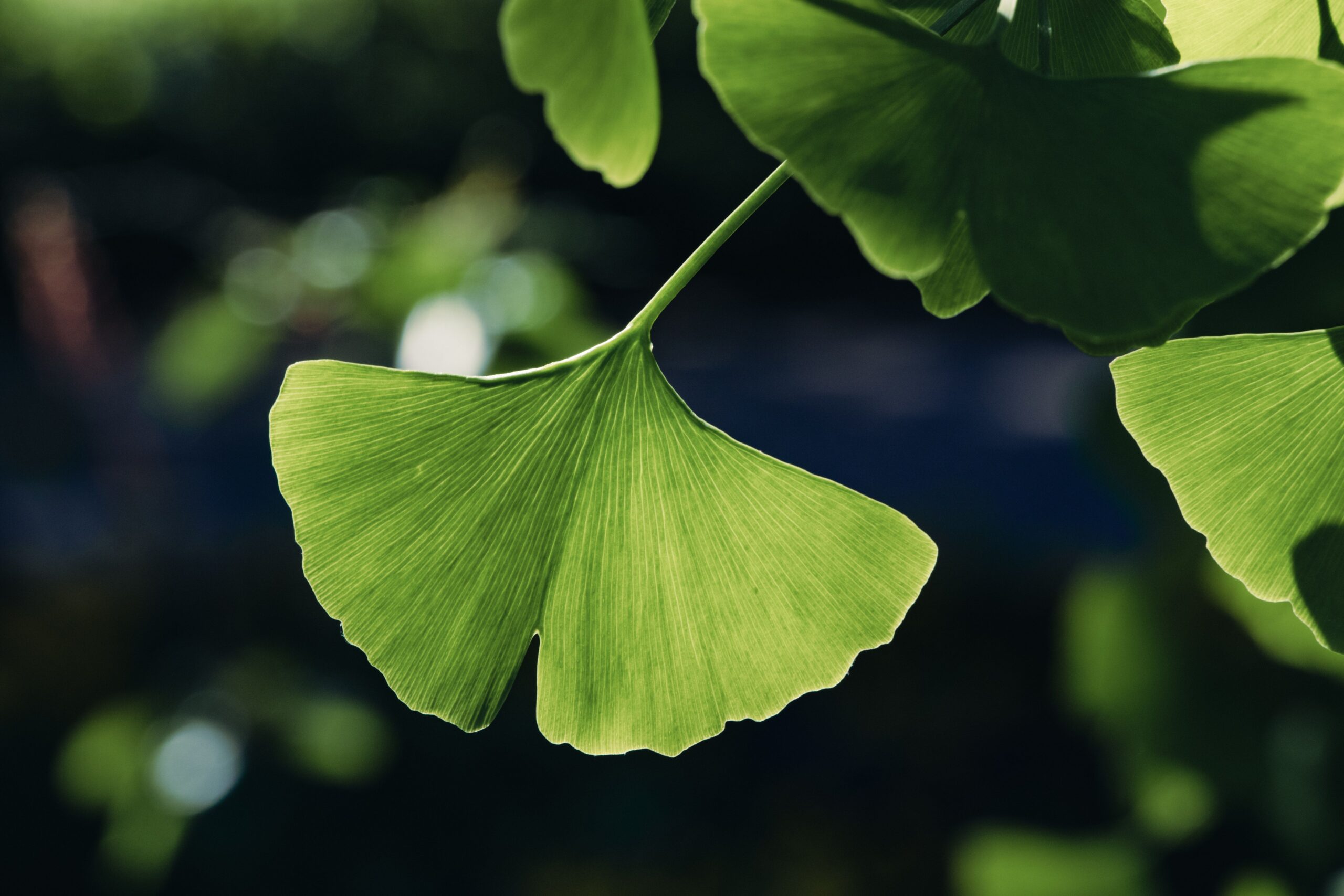
Ginkgo biloba leaf

Ginkgo biloba Extracts for Preventing Posterior Capsule Opacification

Written by Tabish Mehraj, PhD. Findings of this double-blinded, placebo-controlled, single-center randomized trial show that subjects supplementing with 200 mg of oral ginkgo biloba extract (GbE) daily for 6-months post-surgery resulted in 80.6% of eyes remaining free of pearls (P < 0.001) and 68.4% of the GbE group showing no fibrosis (P<0.001) at the 36-month follow-up compared to placebo.

Read more
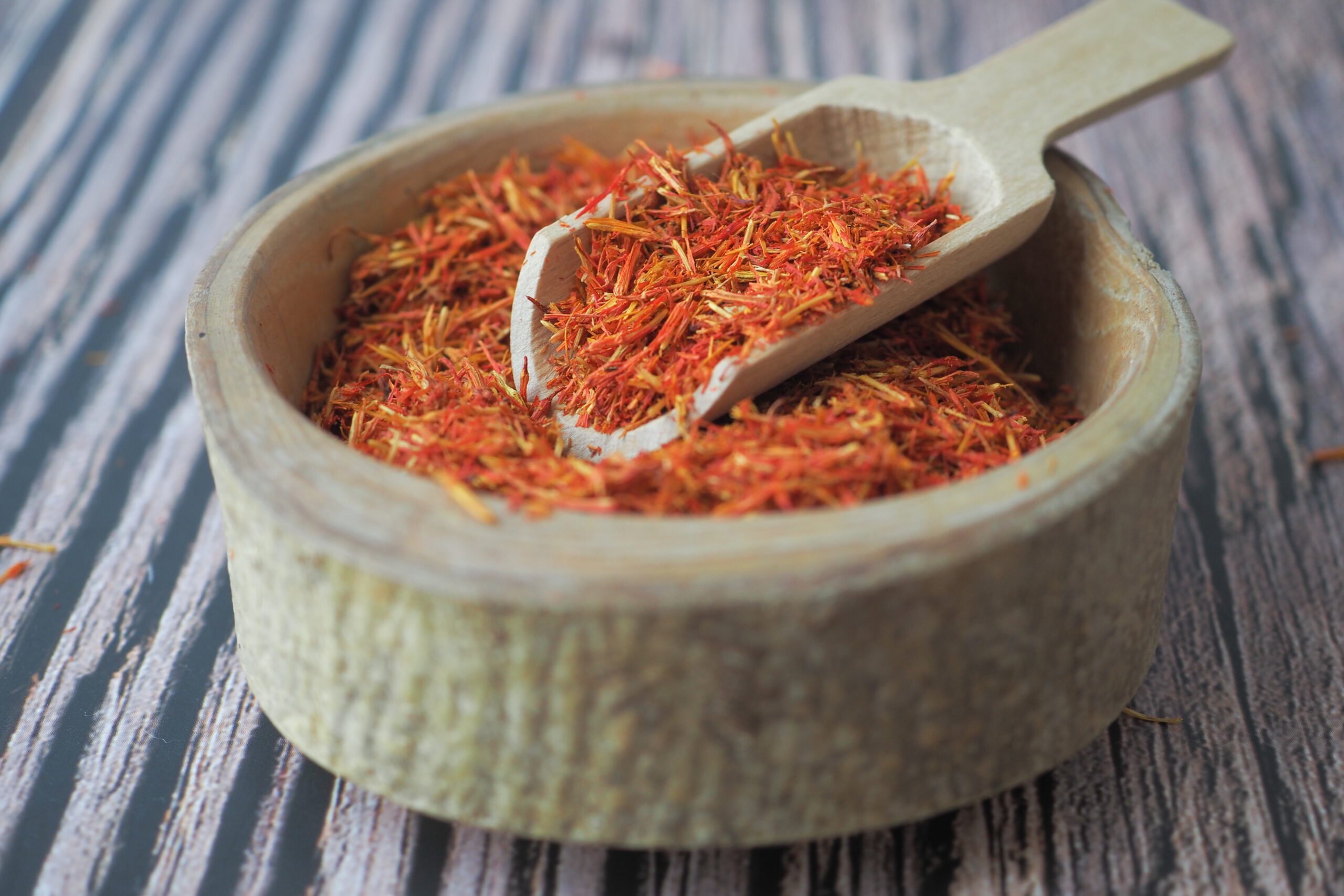
Saffron Spice in a wooden bowl on table

Saffron Extract Supplement for Improving Sleep Quality in Adults with Moderate Insomnia

Written by Tabish Mehraj, PhD. In this study, among 150 completers, saffron extract led to a greater reduction in insomnia symptoms (AIS) compared to placebo (between-group adjusted mean difference β =− 0.95 [95 % CI: − 1.79, − 0.11], P < .05). Sleep quality (SQS) improved significantly after 3 weeks (30 mg vs placebo: β =0.82 [95 % CI: 0.22, 1.41], P =004; 20 mg vs placebo: β =1.02 [0.43, 1.62], P <.001). Perceived stress (PSS) was significantly reduced with 30 mg or 20 mg saffron extract compared to placebo (30 mg vs placebo: β =− 1.87 [95 % CI: − 3.23, − 0.] P =.01; 20 mg vs placebo: β =− 1.89 [95 % CI: − 3.22, − 0.52], P =04).

Read more
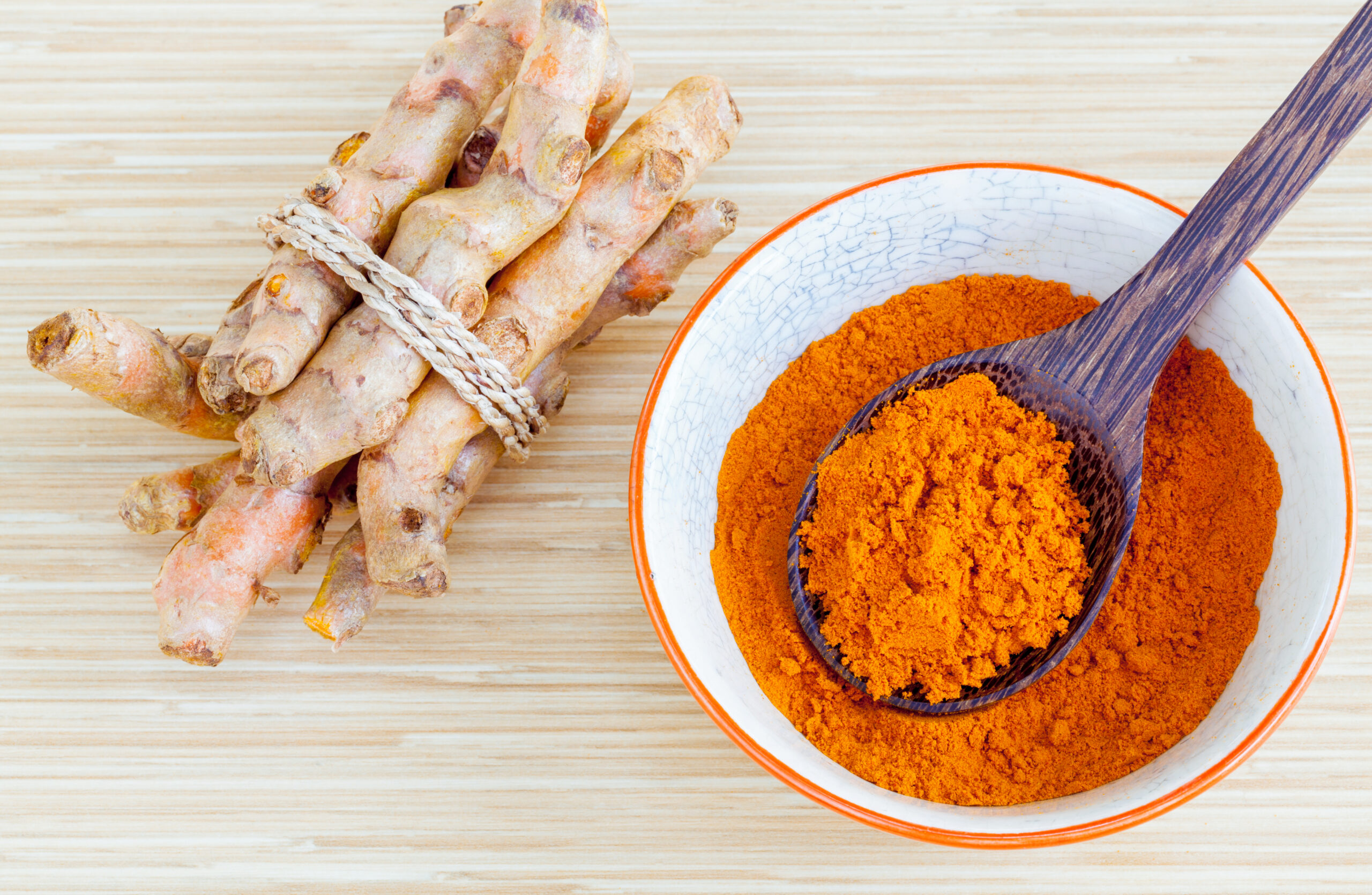
bowl of ground turmeric

Curcumin Reduces Inflammation and Improves Antioxidant Status in Type 2 Diabetic Patients

Written by Tabish Mehraj, PhD. In this study, curcumin supplementation was associated with significant reductions in pro-inflammatory cytokines (p < 0.001), hs-CRP, and NLR (p < 0.05), and with improved antioxidant status, as evidenced by increased SOD, TAS, and GPx, along with reduced MDA levels (p < 0.001). Improvements in metabolic parameters were observed, including lower FPG (112.0 mg/dL vs. 134.5 mg/dL; p < 0.001), HbA1c (6.10% vs. 6.40%; p < 0.05), and HOMA-IR (4.88 vs. 6.71; p < 0.001).

Read more

CBD-rich Cannabis sativa Oil for Knee Osteoarthritis

Written by Tabish Mehraj, PhD. Following the intervention (i.e., 60 days or the trial endpoint), both the placebo and cannabis groups showed comparable improvements in pain scores, with no statistically significant differences in pain intensity. The CBD-rich cannabis oil was well-tolerated, as no patient experienced any serious adverse events or clinically significant changes in serum biomarkers.

Read more
Back To Top