

How To Read Supplement Labels
Written by Tammy Mish, CN, CMTA. This informative article breaks down the key sections of a supplement label, helping you understand what they mean so you can make informed purchasing decisions with confidence.
Written by Tammy Mish, CN, CMTA. This informative article breaks down the key sections of a supplement label, helping you understand what they mean so you can make informed purchasing decisions with confidence.

Written by Tabish Mehraj, PhD. In this study, 117 participants were assessed, and both inulin supplementation and physiotherapy-supported exercise significantly reduced knee pain, with no synergistic effect. Inulin also improved pain sensitivity and grip strength and increased butyrate and GLP-1 levels, while physiotherapy improved mobility and lower-body function.

In this interview, Sarah Burden, Senior Director of Sales at People Science, discusses the importance of making clinical research more accessible, affordable, and representative. She explains how removing traditional barriers to participation can help natural product companies generate real-world evidence and give consumers greater confidence in the products they choose.
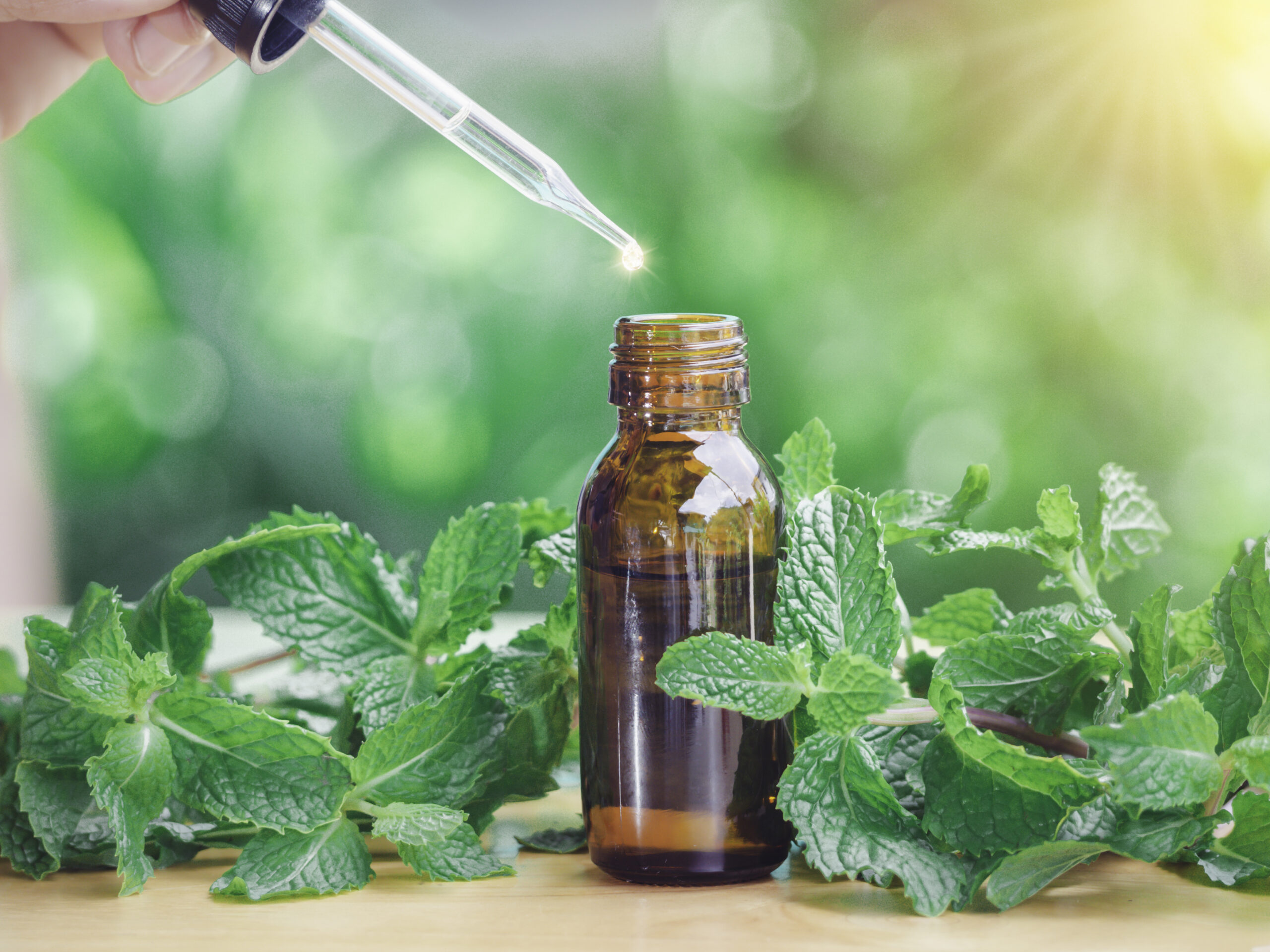
Written by Tabish Mehraj, PhD. In this randomized, placebo-controlled study, the peppermint group had a significant reduction in systolic blood pressure after 20 days compared with the placebo group. Blood pressure was about 8.5 mmHg lower in the peppermint group (95% CI: −14.24 to −2.73; effect size d = −0.94).

Written by Tabish Mehraj, PhD. In this study, Salvia miltiorrhiza extract (SAGX) led to a greater reduction in total IPSS scores compared with saw palmetto (p = 0.031). It also improved urinary storage symptoms (p = 0.003) and quality of life (p = 0.035). Erectile function improved significantly in the SAGX group (p = 0.005). All side effects were mild and temporary, and treatment-related side effects were less common with SAGX than with saw palmetto.

Written by Chrystal Moulton, Science Writer. Researchers observed a significant reduction in systolic and diastolic blood pressure beginning at week 4 through week 12 between the intervention and control group (P <0.05).

Written by Paria Lajevardi and Chrystal Moulton. Polycystic ovary syndrome (PCOS) is a complex hormonal and metabolic condition that can affect insulin sensitivity, reproductive health, and overall well-being. Research suggests that lifestyle changes, particularly regular exercise, along with supplements such as inositol, N-acetylcysteine (NAC), vitamin D, magnesium, and omega-3 fatty acids, may help improve certain metabolic and reproductive symptoms.
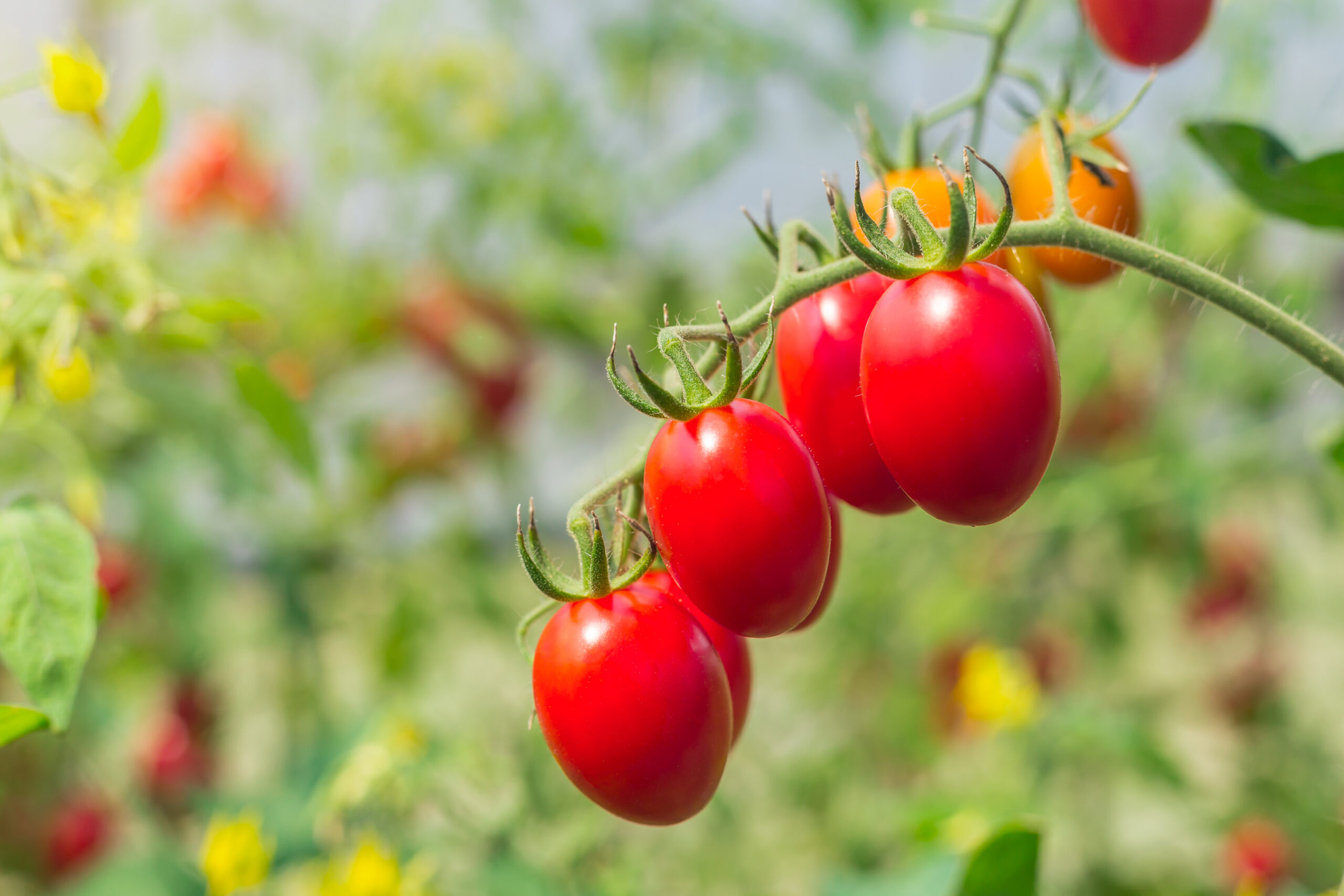
Written by Alexa Heathorn, MS, CNS. Daily consumption of a carotenoid-rich tomato sauce made from vine-ripened tomatoes for 12 weeks significantly reduced liver fat compared with conventional tomato sauce in adults with MASLD, suggesting that lycopene-rich functional foods may support liver health.

Written by Chrystal Moulton, Science Writer. High seed extract supplementation was linked to lower systolic blood pressure compared to high marc supplementation (P=0.038).

Written by Tabish Mehraj, PhD. In this study, over 12 weeks, the low-dairy energy-restriction group (LD-ER) showed significant reductions in body weight and BMI, while the 3-dairy ad-libitum group (3D-AL) had a 0.25 ± 0.34 cm reduction in hip circumference and a 2.72 ± 2.18 mm Hg decrease in systolic blood pressure (P<0.05). Protein and calcium intake increased in the 3-dairy energy-neutral group (3D-EN) and 3D-AL groups, with adherence to the Canadian Food Guide reaching 77% by week 12; other metabolic and body-composition measures remained unchanged.


